Did you know that a staggering 70% of consumers make purchasing decisions based on a brand’s exterior presence? This fact highlights the critical role that a well-maintained facility plays in attracting customers. An unreliable contractor can create unnecessary disruptions, affecting your business’s reputation and bottom line.
Your facility, whether it’s a storefront or a public building, requires a dependable team that understands location, placement, and practical execution. The 2022 Salsify Consumer Research Survey revealed that 46% of U.S. consumers are willing to pay more for brands they trust. This emphasizes the connection between visible workmanship and public confidence.
Moreover, a Kearny survey found that 76% of people trust small businesses more than large corporations. This trust underscores the importance of a professional appearance and consistent service for every audience entering your space. Think of signage and exterior work as marketing assets, not just decoration, while keeping your customer’s investment and long-term maintenance in view.
This article will guide you through a contractor-led approach, offering direct advice and realistic solutions without the fluff of traditional marketing.
Key Takeaways
- Reliable contractors prevent disruptions and enhance customer trust.
- Exterior presentation significantly influences consumer purchasing decisions.
- Visible workmanship boosts public confidence in your brand.
- Professional appearance is vital for attracting and retaining customers.
- Signage serves as a marketing asset, impacting long-term investment.
Understanding On-Call Contractor Services
Research shows that 76% of people decide to enter a business based purely on its signage. This highlights the role of on-call contractors, who are essential when facility issues arise. You can contact this team when safety, access, visibility, or normal operations are at stake.
Signs are not just brand markers; they are navigation tools. Illuminated channel letters provide visibility around the clock, ensuring your business stands out. Monument signs and pole signs cater to different locations and distances, guiding potential customers effectively.
Clear communication fosters better engagement with your audience. When people seek answers, they prefer straightforward language over vague promises. Additionally, with 24% of North Americans moving every five years, visible signs are crucial for helping newcomers locate local businesses.
Real-world solutions consider the building’s needs, access conditions, audience, budget, and maintenance before recommending any products. This approach ensures that you receive tailored solutions that truly address your facility’s challenges.
| Sign Type | Visibility | Best Use |
|---|---|---|
| Illuminated Channel Letters | 24/7 | High traffic areas |
| Monument Signs | Day & Night | Directional guidance |
| Pole Signs | Day & Night | Long-distance visibility |
Essential Reasons Facilities Need a Reliable Go-To Team
The right contractor can make all the difference in maintaining your facility. Trust and consistency are key elements that help you manage your operations smoothly. When you have a dependable contractor, you save valuable time and resources.
One reliable contractor reduces repeated calls and duplicated site visits. This means less wasted time when urgent facility issues arise. Exterior signage, when installed properly, can last between 7 to 15 years. This longevity highlights the importance of choosing quality over the cheapest short-term fixes.
Proper planning and material selection ensure that your signage performs well in varying weather conditions. A contractor who understands your facility’s location can identify potential issues before they become costly repairs. This foresight not only saves money but also enhances your facility’s appearance and boosts customer confidence.
Ultimately, a trustworthy contractor fosters predictable communication. This leads to accurate scope decisions and fewer surprises, making your job as a facility manager much easier.

How to Position WSV for public/commercial clients
In today’s fast-paced environment, having a reliable contractor can significantly impact your operations. To achieve this, it’s essential to leverage operational expertise and direct experience. This approach ensures that you have a team that understands the intricacies of your facility’s needs.
Chris Palmieri, with over 30 years in the healthcare industry, exemplifies this expertise. His experience provides a practical context for making high-stakes decisions. Moreover, maintaining relationships with over 100 health systems and 50 payer organizations allows for informed solutions tailored to your unique challenges.
Transparent support is crucial in building trust. This means clear scopes, realistic expectations, and direct communication with the people responsible for results. By prioritizing these elements, you create an accountable partnership that focuses on delivering results, rather than just attracting attention with flashy claims.
Planning and Execution: Time, Placement, and Practical Solutions
Effective planning is crucial when it comes to executing successful facility improvements. Accurate planning starts with understanding your building’s location, access routes, and the needs of those who will use the space. Each of these factors plays a vital role in ensuring your project runs smoothly.
When considering signage, remember the practical rule: increase letter height by 1 inch for every 10 feet of viewing distance. This simple guideline helps maintain readability and ensures your signs grab the necessary attention.
Placement is equally important. It affects safety, traffic flow, and visibility from the correct approach. Choosing the right materials is also essential; aluminum is often used for channel letters, while acrylic suits lightboxes well. These materials must match the environmental demands of your location.
Realistic time planning includes site surveys, permits, fabrication, installation, and inspections. A monument sign, which can last 10-15 years, justifies investing in higher-quality materials. This long-term perspective helps ensure that your facility remains a valuable asset.
Balancing Brand Identity with Functional Construction
Your brand identity is more than just a logo; it’s how people perceive your business at first glance. Exterior signage serves as one of the most visible marketing assets a business owns. It must be both appealing and functional.
To truly engage your audience, it’s essential to ensure that your signage has readable lettering, durable construction, and safe mounting. This is where direct contractor advice comes into play. Using data and insights, you can assess whether colors, fonts, and materials effectively support customer engagement.
For instance, Bon Bon Bon’s custom signage package for its grand opening in Birmingham, Michigan, perfectly illustrated how effective signage can support a retail brand launch. Similarly, Texas Instruments’ complex channel-letter relocation in Novi, Michigan, highlights the need for careful coordination in functional construction.
Remember, the role of your signage is to communicate quickly to your audience. It should not force drivers or visitors to decode an overdesigned concept. When poor construction, weak visibility, or bad placement occurs, your brand identity suffers.
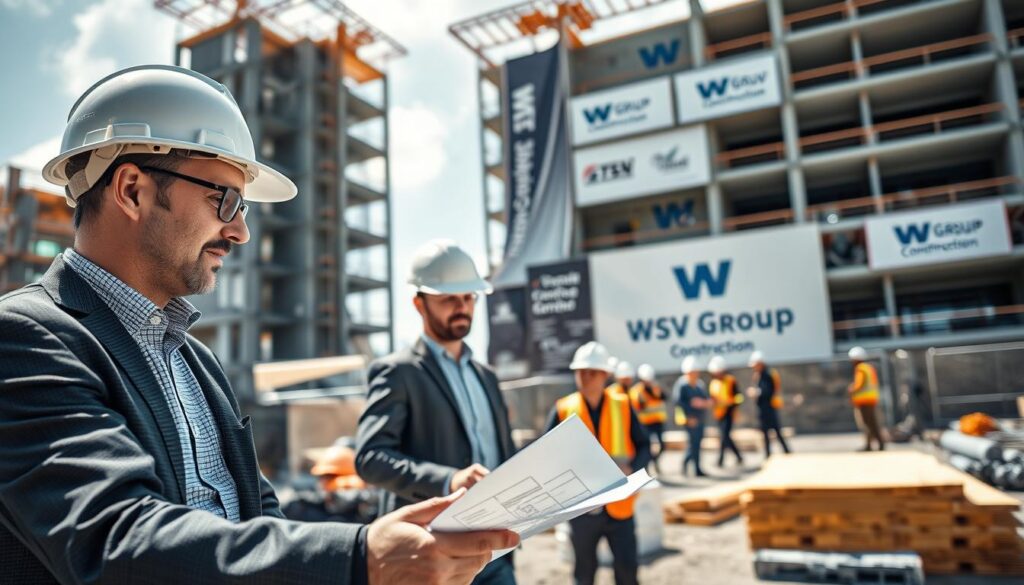
Navigating Permits, Installations, and Construction Details
Understanding the requirements for permits and installations is essential for successful facility improvements. Each project must adhere to local regulations, ensuring compliance with municipal codes, zoning restrictions, and electrical standards. These factors help maintain safety and longevity.
Permit planning should consider height limits, setbacks, and structural requirements specific to your location. Proper placement of signage and structures affects visibility and access during installation. If done right, your signs will attract the necessary attention and serve their purpose effectively.
Typical lifespans for signs vary: illuminated signs last around 7-10 years, while monument and pole signs can last 10-15 years. This longevity emphasizes the importance of quality in both materials and installation practices.
Best practices for installation include conducting site surveys, engineering checks, and secure mounting. Additionally, ensuring electrical inspections and weather sealing are vital for durability. Realistic time estimates should encompass permit reviews, fabrication, and inspection scheduling.
Lastly, durable solutions should address maintenance access and potential future repairs. This foresight ensures your facility remains a valuable asset long after installation.
Real-World Contractor Insights and Direct Communication
Quality work speaks volumes about your commitment to excellence. When you invest in quality signage, the results can be significant. For example, Bon Bon Bon’s project in Birmingham, Michigan, led to a remarkable 30% increase in foot traffic. This illustrates how effective signage can directly influence customer behavior.
Another case is Texas Instruments, which improved its brand visibility after relocating channel letters in Novi, Michigan. Such careful execution not only enhances brand presence but also respects the operational demands of the building.
Effective contractor insights stem from understanding site conditions, precise measurements, and clear communication. This approach yields documented results rather than relying on generic marketing claims. Additionally, WSV has completed 10 healthcare investments, achieving a 5.2x gross multiple on invested capital, showcasing disciplined decision-making.
We encourage facility managers, public agencies, and commercial operators to engage directly with our team. Discuss your scope, location, access, timing, and expectations to ensure the best outcomes.
For help with a home or commercial project causing trouble, call (727)-625-1374 or email contact@wsvgroup.com.
Conclusion
Every aspect of your facility’s operation relies on dependable contractor support. This ensures that you save time and enhance planning, preventing minor location or installation issues from escalating into costly operational failures.
Placement, materials, compliance, and workmanship are critical factors that determine whether your signage captures the necessary attention and delivers reliable long-term performance.
Remember, exterior signage is a significant marketing investment, with lifespans typically ranging from 7-10 years for illuminated signs to 10-15 years for monument signs.
Direct communication and practical insights prove far more valuable than corporate jargon when you seek effective solutions. In this context, consider the disciplined approach that targets strong returns on investments.
If your home or facility is causing trouble, don’t hesitate to call (727)-625-1374 or email contact@wsvgroup.com for assistance.