

Do you know how your roof is doing?
Many people don’t check their roof often until it’s too late. A detailed roof inspection checklist is key to spotting problems early.
Knowing what experts check for can help you keep your property in good shape. If you’re worried about your home, call us at (727)-625-1374 or email contact@mail.wsvgroup.com. We’re here to help.
Key Takeaways
- Regular roof inspections are crucial for maintaining property.
- A comprehensive roof inspection checklist helps identify potential issues early.
- Understanding what professionals look for during an inspection can help property owners.
- Early detection of roof problems can save on costly repairs.
- Professional assistance is available for concerned homeowners and property owners.
Understanding the Importance of Roof Inspections
Regular roof inspections are key to keeping your roof in top shape. They help spot problems early, stopping small issues from turning into big repairs.
Roof inspections do more than just check your roof. They ensure your home is safe and sound. A good roof protects you from the weather and can even boost your home’s value.
Why Regular Inspections Matter
Inspections catch damage from weather, wear, and other causes early. This saves you money by fixing problems before they get worse.
Commercial roofs need regular checks too. They’re bigger and more complex, so small problems can be hidden. A commercial roof inspection can find issues like damaged membranes or drainage problems.
Key Benefits for Homeowners
Homeowners gain a lot from regular roof inspections. These benefits include:
- Extended roof life expectancy
- Reduced maintenance and repair costs
- Enhanced safety for occupants
- Improved energy efficiency
Knowing your roof’s condition helps you decide when to fix or replace it. This keeps your home safe and secure.
Commercial vs. Residential Needs
Commercial and residential roofs have different needs. Commercial roofs need more frequent checks because of their size and the impact of problems on business.
| Roof Type | Inspection Frequency | Key Considerations |
|---|---|---|
| Residential | At least twice a year | Weather damage, wear and tear |
| Commercial | Quarterly or bi-annually | Membrane damage, drainage issues, structural integrity |
If you’re worried about your roof or want an inspection, call us at (727)-625-1374 or email contact@mail.wsvgroup.com. We’re here to help.
Signs Your Roof Needs Immediate Attention
A damaged roof can harm your whole house. It’s key to spot problems early. Ignoring roof damage can lead to bigger issues, like leaks that damage your home’s inside.
Visible Damage Indicators
It’s easy to see roof damage. Look for missing, loose, or damaged shingles. These can let water in. Flashing around chimneys, vents, and skylights is also important. Bad or wrong flashing can cause leaks.
Subtle Signs of Wear and Tear
Not all damage is easy to see. Look for granules in your gutters, which means your shingles are wearing out. Also, check for curled or buckled shingles around roof penetrations.
Environmental Factors to Watch
Weather can hurt your roof. Heavy rain, hail, or strong winds can damage it right away. Sunlight can also wear down roofing materials over time. After bad weather, check your roof for damage.
If you’re not sure what to do or see damage, get help. Your home is a big investment. Protect it. Call us at (727)-625-1374 or email contact@mail.wsvgroup.com for help.
Common Roofing Materials and Their Lifespan
Choosing the right roofing material is key to a long-lasting roof. Each material has its own durability, looks, and upkeep needs. Knowing these can guide your roofing choices.
Asphalt Shingles
Asphalt shingles are a top pick in the U.S. for their price and easy setup. They last 20 to 30 years, depending on quality and weather. Proper underlayment boosts their life.
“Asphalt shingles are a budget-friendly choice,” notes a roofing pro. “But weather can impact their durability. Regular checks can spot problems early.”
Metal Roofing
Metal roofing stands out for its toughness, lasting 30 to 50 years or more with care. It withstands harsh weather and comes in materials like aluminum, steel, and copper. Metal roofs also save energy by reflecting sunlight.
- High durability and resistance to weathering
- Energy efficiency through solar reflection
- Long lifespan with proper maintenance
Slate and Tile Options
Slate and tile roofs are loved for their beauty and long life. Slate can last over 100 years, and tile roofs last 50 to 100 years. Both are strong against fire but can be heavy, needing extra support.
A study found, “Slate roofs are among the longest-lasting, combining durability with style.” Their long life is a big plus for those seeking a lasting solution.
If roofing troubles are stressing you, get help from pros. Call us at (727)-625-1374 or email contact@mail.wsvgroup.com for expert advice.
Seasonal Checklist for Roof Maintenance
To keep your roof in top shape, regular maintenance is key. This approach prevents damage and saves on repairs. It also keeps your roof protecting your property well.
Spring: Post-Winter Inspections
Inspecting your roof after winter is crucial. Look for damage or wear. Here’s what to do in spring:
- Check for missing, damaged, or loose shingles.
- Inspect flashing around chimneys, vents, and skylights for signs of wear.
- Clear debris from gutters and downspouts.
- Look for signs of water damage or leaks in the attic.
Summer: Preparing for Storms
Summer storms can be intense. It’s important to prepare your roof. Here’s what to do:
- Trim tree branches that are close to or touching your roof.
- Ensure all roof penetrations are securely fastened.
- Check the condition of your roof’s sealant and replace if necessary.
- Inspect your roof for any damage or weaknesses that could be exacerbated by summer storms.
Fall: Gearing Up for Winter
As fall comes, preparing your roof for winter is crucial. Your fall roof maintenance checklist should include:
- Cleaning gutters and downspouts again to ensure they’re clear for winter.
- Inspecting your roof for damaged or missing shingles that could lead to leaks.
- Checking attic insulation and ventilation to prevent ice dams.
- Making any necessary repairs to ensure your roof is winter-ready.
By following this seasonal checklist, you can extend your roof’s life. This applies to both commercial roofs and residential ones. It prevents unexpected problems. If unsure about roof maintenance, contact experts. Call (727)-625-1374 or email contact@mail.wsvgroup.com for help.
Essential Tools for a Roof Inspection
To inspect your roof well, you need the right tools. They help spot problems like damaged flashing and leaks. A good inspection can find current issues and prevent future ones.
Safety Gear You Need
First, make sure you have the right safety gear. This is crucial for a safe roof inspection. Here are some must-haves:
- Harness and Rope: These prevent falls and are essential.
- Non-Slip Footwear: Shoes or boots with non-slip soles help you stay on the roof.
- Safety Glasses: They protect your eyes from debris or falling objects.
- Gloves: Durable gloves protect your hands and give a better grip.
If you’re unsure or feel uncomfortable, don’t hesitate to ask for help. Your safety is the most important thing. You can call us at (727)-625-1374 or email contact@mail.wsvgroup.com for help.
Equipment for Effective Inspections
The right tools make a big difference in a roof inspection. Here are some key ones:
- Binoculars: Use them from the ground to spot obvious issues.
- Ladder: A sturdy ladder is needed for a closer look. Make sure it’s on a firm, level surface.
- Flashlight: It’s useful for inspecting dark or shaded areas.
- Camera: It helps document your roof’s condition, which is useful for insurance or professional advice.
Here’s a summary of the essential tools and their uses in a tabular format:
| Tool | Purpose |
|---|---|
| Harness and Rope | Safety against falls |
| Non-Slip Footwear | Prevents slipping on the roof |
| Binoculars | Preliminary inspection from the ground |
| Ladder | Access for closer inspection |
| Flashlight | Illuminating dark or shaded areas |
| Camera | Documenting roof condition |
With the right tools and safety gear, you can do a better roof inspection. Always ask a professional if you’re unsure. This ensures your roof stays in good shape.
Steps for Conducting a Roof Inspection
Doing a thorough roof inspection is key to spotting problems early. It helps keep your roof in good shape and makes it last longer.
Initial Assessment from the Ground
Start by looking at your roof from the ground with binoculars. Look for any missing, loose, or damaged shingles. Also, check the chimney, vents, and skylights for damage.
Closer Inspection from the Ladder
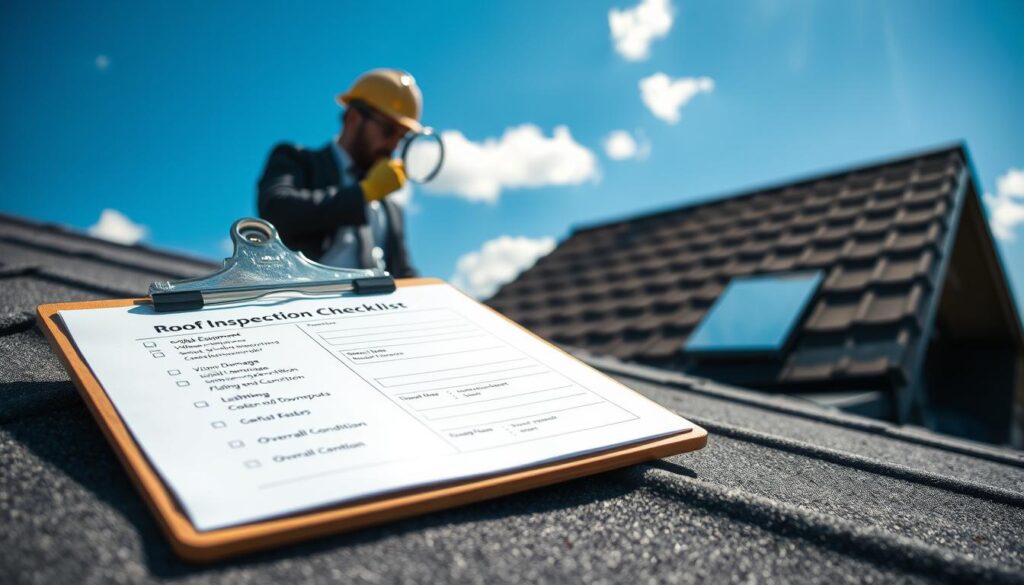
For a closer look, climb up using a ladder. Make sure it’s stable and consider having someone hold it. On the roof, check the underlayment for water damage or rot. Look at the roofing material for cracks, curls, or missing parts.
Documenting Findings
It’s important to keep track of your roof’s condition. Take photos and notes on what you see. This will help you plan for any needed repairs or maintenance.
| Inspection Area | Condition | Notes |
|---|---|---|
| Shingles | Good | Minor wear on edges |
| Underlayment | Fair | Some water damage near chimney |
| Flashing | Poor | Rusted and needs replacement |
If you’re not sure about anything or find big problems, get a pro’s help. A well-kept roof is crucial for your home’s safety. For expert advice, call us at (727)-625-1374 or email contact@mail.wsvgroup.com.
Hiring a Professional vs. DIY Inspections
Deciding whether to hire a pro or do it yourself for roof inspections is key. This choice is especially important for commercial roofs. They are more complex and have higher stakes.
Pros and Cons of Each Approach
Doing a DIY roof check can save money and give you control. But, you need the right knowledge and safety gear. On the other hand, a pro can spot issues early, saving you money in the long run.
DIY Inspection Pros:
- Cost-effective
- Immediate action can be taken
- Personal control over the inspection
DIY Inspection Cons:
- Lack of expertise
- Safety risks
- Potential for overlooking critical issues
Professional Inspection Pros:
- Expertise and experience
- Proper equipment for safety and thoroughness
- Detailed report and recommendations
Professional Inspection Cons:
- Cost
- Dependence on the inspector’s schedule
- Potential for misdiagnosis if not done correctly
| Inspection Type | Cost | Safety | Expertise |
|---|---|---|---|
| DIY | Low | Risky | Variable |
| Professional | Higher | Safe | High |
When to Call in the Experts
If you have a commercial roof or are unsure about your roof’s condition, get expert help. Professionals can give a detailed check and advice to make your roof last longer.
Your home or commercial property is a big investment. Keeping its roof in good shape is vital. If you’re not sure about roof inspections, ask professionals for help.
For expert advice and services, call us at (727)-625-1374 or email contact@mail.wsvgroup.com. Getting your roof checked right can prevent future problems and save you money.
The Roof Inspection Process in Detail
A roof inspection is more than just a quick look. It’s a detailed check that can prevent future problems. This includes checking flashing to keep your roof in top shape.
Pre-Inspection Considerations
Before starting, there are important steps to take. Make sure to:
- Clear the roof and areas around it of debris and obstacles
- Ensure safe access to the roof
- Check the weather forecast to avoid inspections during bad weather
Roofing experts say, “A well-prepared inspection site is crucial for a thorough and accurate assessment of your roof’s condition.”
“Preparation is key to a successful roof inspection. By clearing the area and ensuring safe access, homeowners can help inspectors do their job more efficiently.”
What to Expect During the Inspection
The inspector will carefully examine your roof. They’ll look for signs of wear, damage, or potential problems. This includes:
- Inspecting flashing around chimneys, vents, and skylights
- Checking for damaged, missing, or loose shingles
- Examining the condition of gutters and downspouts
The inspector will also check the roof’s overall condition. They’ll find any areas that need repair or replacement. You’ll get a detailed report with their findings and maintenance recommendations.
| Inspection Component | Description | Importance Level |
|---|---|---|
| Flashing | Metal strips around vents, chimneys, and skylights | High |
| Shingles | Roofing material that protects against weather elements | High |
| Gutters and Downspouts | Directs water away from the roof and foundation | Medium |
Final Report and Recommendations
After the inspection, you’ll get a detailed report on your roof’s condition. This report will include:
- A summary of the inspection findings
- Recommendations for repairs or replacements
- A maintenance schedule to prevent future issues
If you’re worried about your roof, don’t hesitate to reach out to professionals. Call us at (727)-625-1374 or email contact@mail.wsvgroup.com for help.
Understanding Your Roof’s Warranty
Your roof’s warranty is more than just a piece of paper. It’s a safety net against expensive repairs. A good warranty gives you peace of mind, knowing you’re covered against roof costs.
Types of Warranties Available
There are many roof warranties out there, each with its own benefits and length. Here are the most common:
- Manufacturer’s Warranty: Covers defects in materials and workmanship, lasting 20 to 50 years.
- Contractor’s Warranty: Ensures the installation quality, lasting 5 to 10 years.
- Extended Warranty: Provides extra protection beyond the standard warranty, for a fee.
What Your Warranty Covers
A typical roof warranty covers repairs or replacements for defects, workmanship issues, and sometimes extreme weather damage. It’s key to know that warranties have specific rules and what’s not covered, like damage from poor maintenance or installation mistakes.
“A warranty is only as good as its terms and conditions.” This quote highlights the need to carefully read your warranty to understand what’s included.
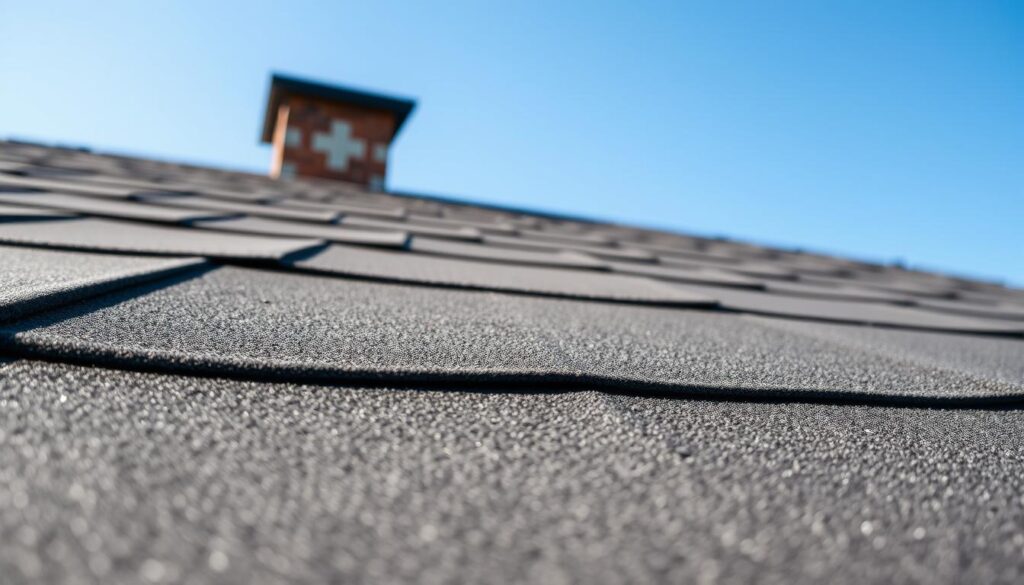
The underlayment, a vital part of your roof, is usually covered by the manufacturer’s warranty. Problems like delamination or failure to prevent leaks can be fixed if they’re due to a defect.
How Inspections Affect Warranty Claims
Regular roof inspections are crucial for keeping your warranty valid. Many warranties require proof of regular maintenance to accept claims. Inspections can spot issues early, like underlayment wear or leaks, so you can fix them before they get worse.
By keeping records of your roof’s condition through inspections, you meet your warranty’s maintenance needs. This helps with successful claims and keeps your roof lasting longer.
“Regular maintenance is key to a long-lasting roof and a valid warranty claim.”
If you’re unsure about your roof’s warranty or need help with inspections, reach out to experts. Your home is a big investment, and protecting it is essential. For roof issues, call us at (727)-625-1374 or email contact@mail.wsvgroup.com for expert advice and service.
Common Myths About Roof Inspections
There’s a lot of confusion about roof inspections. Many myths make it hard to see the real benefits and needs of regular checks. As a homeowner or business owner, knowing the truth about roof inspections can save you money and keep your roof in good shape.
Debunking Misconceptions
One myth is that roof inspections are only needed when you see damage. But, regular checks can find problems before they get big, which can make your roof last longer. Another myth is that new roofs don’t need inspections. But, even new roofs can have issues that need to be found early.
For commercial roofs, the situation is even more serious. They are bigger and can cause more damage if not looked after. Regular checks can stop leaks, structural problems, and other issues that could hurt your business.
Understanding Expert Opinions
Roofing experts say regular inspections are key, not just for upkeep but also for warranty needs. Many warranties need regular checks to stay valid. If you don’t do this, you might have to pay for expensive repairs that could have been covered.
| Myth | Reality |
|---|---|
| Roof inspections are only needed when damage is visible. | Regular inspections can prevent damage and identify issues early. |
| New roofs don’t need inspections. | Even new roofs benefit from inspections to ensure proper installation and identify defects. |
| Inspections are not necessary for warranty compliance. | Many warranties require regular inspections to remain valid. |
If you’re worried about your roof or need help with an inspection, don’t wait. Call us at (727)-625-1374 or email contact@mail.wsvgroup.com for expert advice and service.
How to Prepare for an Inspector’s Visit
Before the roof inspector comes, a few steps can make the inspection better. Make sure your roof and its area are clear of debris. This lets the inspector check everything properly.
Clearing the Roof and Surroundings
It’s important to clear the area around your home for a good inspection. Move outdoor furniture, plants, and other items out of the way. Also, make sure your attic is open and free of clutter. This lets the inspector look at the roof’s structure and insulation if needed.
Key Areas to Clear:
- Gutters and downspouts
- Around chimneys, vents, and skylights
- Attic space
Accessing All Areas Safely
Safety is key during a roof inspection. Make sure all roof areas are clear and that ladders or access tools are stable. If your roof is complex or you’re worried about safety, think about getting a pro to inspect it.
Safety Precautions:
| Precaution | Description |
|---|---|
| Stable Ladder Access | Ensure ladders are securely positioned and consider having someone to hold the ladder for added stability. |
| Clear Roof Access | Remove any debris or obstructions from the roof to ensure safe walking paths. |
| Proper Footwear | Wear shoes with good grip to prevent slipping on the roof. |
If you’re not sure about preparing for a roof inspection, it’s best to ask a pro. Call us at (727)-625-1374 or email contact@mail.wsvgroup.com for help.
Questions to Ask Your Roofing Inspector
When you hire a roofing inspector, it’s key to ask the right questions. This ensures you get a full check of your roof’s health. You’ll learn about your roof’s underlayment and find out why leaks might happen.
Clarifying Costs and Services
First, ask about the costs and what services you’ll get. Know what the first check covers and what might cost extra. This helps you plan your budget better.
Understanding Your Roof’s Condition
Ask about your roof’s state, including any wear, damage, or leak risks. If you own a commercial roof, find out about its special care needs.
Future Maintenance Recommendations
Get tips on keeping your roof in good shape for longer. This might mean checking the underlayment, removing debris, and fixing problems fast to avoid big repairs.
If you’re worried about your roof or have issues, get professional advice. For help, call us at (727)-625-1374 or email contact@mail.wsvgroup.com.
FAQ
What is the average life expectancy of a roof?
The life of a roof depends on the material. Asphalt shingles last 20-30 years. Metal roofing can last 30-50 years. Slate and tile can last 50 years or more.
What are the most common causes of roof leaks?
Roof leaks often come from damaged or missing shingles. Cracked or broken flashing is another cause. Issues with underlayment can also lead to leaks, usually due to weather damage or wear.
How often should I inspect my roof?
Inspect your roof twice a year, in spring and fall. This helps catch problems early, especially after bad weather.
What is the importance of underlayment in roof longevity?
Underlayment is key to protecting your roof from water damage. It adds a layer of protection between the roofing material and the roof deck, helping your roof last longer.
Can I inspect my roof myself, or should I hire a professional?
You can do a basic roof check yourself. But, for a detailed check, especially on commercial roofs or to assess roof life, it’s best to hire a pro.
What should I look for during a roof inspection?
Look for damage, wear, and tear during a roof check. Check for missing or damaged shingles, rusted or damaged flashing, and underlayment issues. Also, watch for signs of leaks.
How does flashing impact my roof’s condition?
Flashing is vital in stopping water intrusion around chimneys, vents, and skylights. If it’s damaged or not installed right, it can cause leaks and other problems.
Are there any seasonal tasks I should perform to maintain my roof?
Yes, there are seasonal tasks to keep your roof in good shape. Clear debris in fall, check for winter damage in spring, and prepare for storms in summer.
What are the benefits of regular roof inspections for commercial roofs?
Regular checks on commercial roofs can spot issues early. This reduces the chance of expensive repairs and ensures you meet warranty requirements.