

Are you close to finishing your construction project, but it’s taking forever? You’re not alone. The punch list, a key part of finishing a project, is often tough for everyone involved.
A punch list is a list of things that need to be done or fixed before a project is complete. It’s the last step in a successful construction journey. If you’re feeling frustrated with the project’s end stages, it’s time to learn about punch lists and how to handle them well.
Key Takeaways
- A punch list is a critical tool for ensuring project completion.
- It helps identify and rectify defects or unfinished work.
- Effective management of a punch list can save time and reduce stress.
- Clear communication is key to resolving punch list items efficiently.
- Properly addressing punch list items is crucial for project closeout.
If your home is giving you trouble, don’t wait to get help. Call us at (727)-625-1374 or email contact@mail.wsvgroup.com for expert advice.
What Is a Punch List? Understanding the Final Phase of Construction
Understanding a punch list is key to finishing a construction project. As your project nears the end, a punch list is vital. It ensures all work is done right.
The Definition and Purpose of Punch Lists
A punch list, or snag list, lists tasks to finish before a project is done. Its main goal is to check if all work meets standards. It’s a checklist for both the contractor and client.
It’s made during the final project inspection. The client, contractor, and others check for defects or unfinished work. A detailed punch list helps fix all issues before the project is complete. This avoids disputes and delays in project closeout.
Why the Last 5% of a Project Often Takes 50% of the Effort
The end stages of a project can be tough. The last 5% often takes a lot of time and effort. This is due to complex tasks, the need for precise coordination, and unexpected problems.
Knowing how to use a punch list helps manage these challenges. It makes the final stages of your project easier.
The Historical Origin of the Term “Punch List”
The term “punch list” started in the early 20th century. Construction managers would punch holes in a list for completed items. This was a simple way to track progress and ensure tasks were done.
Today, technology has changed how we use punch lists. But the idea remains the same: to have a clear list of tasks to finish before a project is complete.
If you’re having trouble with your construction project, get help. Call us at (727)-625-1374 or email contact@mail.wsvgroup.com for support.
The Anatomy of an Effective Punch List
Understanding an effective punch list is key in the final stages of construction. It’s more than a checklist; it’s a tool that ensures everything is done right. This ensures the project meets all standards.
Essential Components Every Punch List Should Include
An effective punch list has several important parts. First, it lists all tasks that need to be done or fixed. This includes any defects, missing items, or work that doesn’t meet specs. Second, it gives a clear description of each task, including where and what the issue is. Lastly, it assigns who is responsible for each task. This makes sure your punch list is detailed and can be acted on.
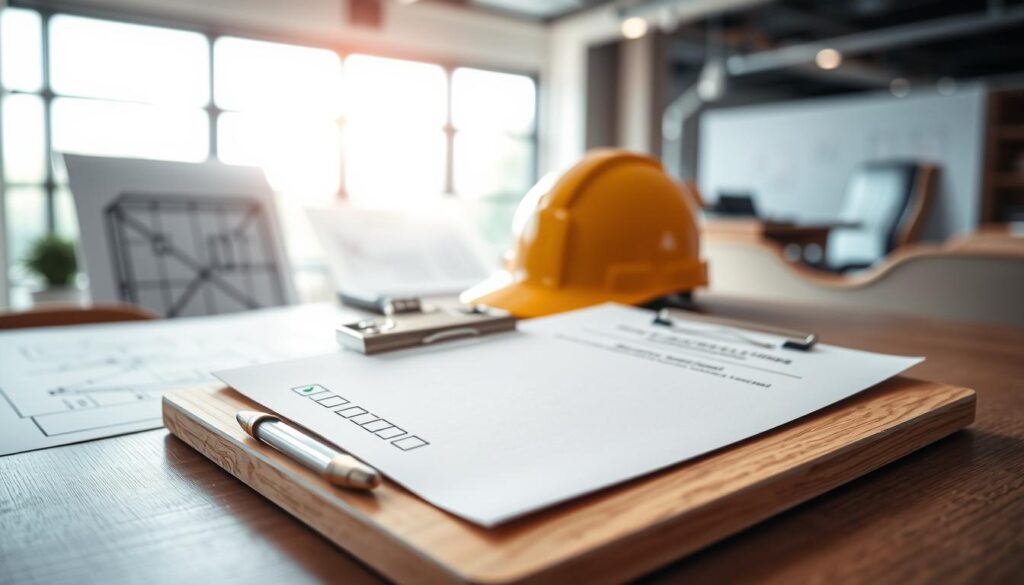
Digital vs. Paper Punch Lists: Pros and Cons
Choosing between digital and paper punch lists depends on several factors. These include the project’s size, complexity, and the team’s preferences. Digital lists are easy to update, save automatically, and can include photos and videos. They’re also easy to access from anywhere, helping teams work together better. Paper lists are simpler and don’t need technology, but they can be more error-prone and harder to update.
Choosing between digital and paper lists should be based on what’s best for your team and project. Many construction companies are switching to digital because of its flexibility and efficiency.
Categorizing Items for Maximum Efficiency
Categorizing punch list items is key for efficiency. Grouping similar tasks together makes it easier to tackle them. For example, you might group items by location, type of work, or priority. This helps the team focus on related tasks and work more efficiently.
Good categorization also helps track progress and make sure nothing is missed. It’s a simple way to improve the punch list process. This ensures the project is finished on time and up to standard.
If you’re having trouble with your construction project, don’t hesitate to ask for help. You can call us at (727)-625-1374 or email contact@mail.wsvgroup.com for assistance.
When to Create a Punch List: Timing Is Everything
A well-timed punch list is key in a construction project’s final stages. It’s not just a routine task. It’s a critical step that needs careful planning and execution.
Pre-Final Inspection Preparations
Before the final walkthrough, prepare for the pre-final inspection. Review the project’s scope and check for any outstanding work. Make sure all systems are working right. This helps spot issues early and avoids surprises.
Some important steps for pre-final inspection preparations are:
- Reviewing project documents and punch list templates
- Conducting a thorough walkthrough of the project site
- Identifying and documenting any defects or incomplete work
Scheduling the Final Walkthrough
Scheduling the final walkthrough is crucial. It needs coordination with contractors, subcontractors, and clients. To make it smooth, consider the following:
- Schedule the walkthrough when everyone is available
- Make sure all necessary documents and equipment are ready
- Clearly communicate the walkthrough’s goals and expectations to all
Progressive Punch Lists Throughout the Project
Keeping a progressive punch list throughout the project helps the final walkthrough. Regular updates to the punch list can:
- Spot and fix issues early
- Minimize last-minute changes
- Boost communication among stakeholders
If you’re facing problems with your construction project, get help. Call us at (727)-625-1374 or email contact@mail.wsvgroup.com for expert advice.
How to Explain Punch Lists So Clients Understand Closeout
Clients often have questions about punch lists. It’s important to answer these questions well for a successful project end. Explaining what a punch list is and how it works can make clients happy and help finish the project.
Setting Realistic Expectations from the Start
It’s key to set clear expectations with clients from the start. You should tell them what a punch list is and its role in ending the project. This helps them understand the final stages of construction.
Key points to cover when setting expectations:
- The purpose of a punch list in ensuring quality and completion.
- The typical items that appear on a punch list, such as finishing touches and minor corrections.
- How the punch list process fits into the overall project timeline.
Communication Strategies That Prevent Misunderstandings
Good communication is crucial for any project. With punch lists, clear talk can stop misunderstandings. This makes sure clients and the construction team are in sync.
Strategies for effective communication include:
- Regular updates on the punch list’s progress.
- Using clear, non-technical language when explaining punch list items.
- Encouraging clients to ask questions and seek clarification.
Using Visual Aids and Examples to Clarify the Process
Visual aids can really help explain punch lists. Examples, diagrams, or photos can make things clearer for clients. This way, they can better understand what’s happening.

For example, showing a client a photo of a finished punch list item can help them see the process. If you’re having trouble with your home project, don’t worry. Call us at (727)-625-1374 or email contact@mail.wsvgroup.com for help from experts.
Step-by-Step Guide to Conducting a Punch List Walkthrough
As your construction project nears its end, a detailed punch list walkthrough is key. It checks every part of the project and finds any last-minute problems. This step is vital for finishing the project well and preparing for the final walkthrough.
Who Should Attend the Walkthrough
It’s important to have the right people at the punch list walkthrough. This includes the project manager, contractors, and sometimes the client or their team. Everyone’s there to spot and fix problems quickly and to agree on the project’s status.
Key attendees may include:
- The project manager to oversee the process
- Contractors responsible for the work being inspected
- Client or their representative to ensure their concerns are addressed
- Sub-contractors for specific areas of the project
Documenting Issues Effectively with Photos and Notes
It’s crucial to document all problems during the walkthrough. Take clear photos and detailed notes on each issue. Using a digital tool or app can make this easier, allowing for quick updates and teamwork.
Best practices for documentation include:
- Taking clear, well-lit photos of each issue
- Recording detailed descriptions of the problems
- Noting the location and priority of each issue
Prioritizing Items: Critical vs. Minor Issues
Not all problems are the same. It’s important to sort them by how serious they are. Fix critical issues that affect safety, function, or follow rules right away. Minor issues can wait.
| Issue Type | Description | Priority |
|---|---|---|
| Critical | Affects safety, functionality, or compliance | High |
| Minor | Cosmetic or non-essential | Low |
Technology and Tools for Efficient Punch List Management
Using technology can make managing punch lists better. There are many tools and software for digital punch lists, teamwork, and clear communication. These tools help avoid mistakes, speed up responses, and make sure all problems are fixed before the project ends.
If you’re having trouble with your construction project, get help. Call us at (727)-625-1374 or email contact@mail.wsvgroup.com for support.
Common Punch List Items and How to Address Them
A well-prepared punch list is key to a successful project. It covers everything from interior finishing to exterior structural elements. Knowing the common items on a punch list helps you tackle them efficiently.
Interior Finishing Issues
Interior finishing issues often top the list. These can include uneven paint, misaligned flooring, or incomplete trim work. It’s important to do a thorough walkthrough and document each issue with photos and notes.
For uneven paint, follow these steps:
- Identify the source of the unevenness
- Determine if it’s a result of the application process or material quality
- Correct the issue by repainting or touching up the affected areas
Having a professional on site ensures the work meets your expectations.
Mechanical and Electrical Concerns
Mechanical and electrical issues are critical. They can impact the functionality and safety of your building. Common problems include malfunctioning HVAC systems, faulty lighting, or improperly installed electrical outlets.
To tackle these concerns, work closely with your contractors and inspectors. For example, if an HVAC system is not working right, you may need to:
- Check for proper installation and configuration
- Test the system’s components to identify any defects or malfunctions
- Collaborate with the contractor to adjust or replace the system as necessary
Regular testing and inspection can prevent major problems.
Exterior and Structural Items
Exterior and structural items on a punch list can range from roofing issues to foundation cracks. These require a keen eye for detail and a deep understanding of construction. For instance, if you’ve noticed cracks in your driveway or sidewalk, assess if they’re cosmetic or structural.
- Consult with structural engineers to evaluate the severity of the cracks
- Determine the appropriate repair methods, which could involve sealing the cracks or replacing the affected sections
- Ensure that the repairs are done in a timely manner to prevent further damage
If you’re experiencing difficulties or need expert advice, don’t hesitate to reach out. Contact us at (727)-625-1374 or email contact@mail.wsvgroup.com for assistance.
Preventing Common Punch List Problems Before They Occur
Preventing punch list problems starts with being proactive. By using certain strategies during construction, you can lower the chance of issues during the final walkthrough.
Quality Control Measures Throughout Construction
Quality control is key to fewer punch list items. Regular checks and sticking to quality standards help spot and fix problems early. This includes:
- Regular site visits
- A detailed quality control checklist
- Following building codes and regulations
Keeping work quality high means fewer punch list items. This leads to a smoother project closeout.
Training Your Team to Anticipate Punch List Items
Teaching your team to spot potential punch list items is vital. This means training them on common issues and how to avoid them. Strategies include:
- Regular training on quality control and punch list prevention
- Creating a culture of accountability
- Using experienced staff for key project phases
Empowering your team helps solve problems before they grow.
Creating Standardized Checklists for Different Project Types
Creating checklists for each project type makes punch lists easier. These checklists should cover common issues for specific projects. This ensures no important items are missed. This approach helps in:
- Lowering the chance of missing important items
- Making the final walkthrough more efficient
- Improving quality and client happiness
If you’re facing challenges with your construction project, get help. Call us at (727)-625-1374 or email contact@mail.wsvgroup.com for expert advice.
Managing Client Expectations During the Punch List Phase
The punch list phase is a crucial time in construction projects. It’s when client expectations are most important. This final stage fixes any remaining issues or defects, which greatly affects client happiness.
Distinguishing Between Defects and Design Choices
One big challenge is telling the difference between real defects and design choices. Clear communication is key to explain these differences to clients. For example, a client might think something is wrong when it’s actually a design choice.
Keeping detailed records of the project’s specs and any changes is essential. This helps solve disputes and explains design decisions.
Handling Last-Minute Change Requests
Clients might ask for changes during the punch list phase. This can be tough since the project is almost done. Prioritizing these requests based on their impact is crucial.
A table outlining the process for handling last-minute change requests could look like this:
| Request Type | Impact Assessment | Action Plan |
|---|---|---|
| Cosmetic Changes | Low Impact | Discuss with client; potentially accommodate if feasible |
| Functional Changes | High Impact | Evaluate feasibility; negotiate timeline and cost implications |
Strategies for Difficult Conversations About Completion
Dealing with tough conversations about project completion is common. Preparation is key. Being open about the project’s status and any delays helps build trust.
If you’re facing issues with your home construction project, don’t hesitate to seek help. Call us at (727)-625-1374 or email contact@mail.wsvgroup.com for assistance.
Conclusion: Turning Punch Lists into Positive Final Impressions
Managing punch lists well is key to a successful construction end. A good final walkthrough can greatly improve the last impression.
By using the tips from this article, you can make sure your project meets top standards. Your clients will be happy with the outcome. A detailed punch list process finds and fixes any remaining issues, leading to a smooth finish.
If your construction project is facing challenges, get help right away. For expert advice on your home or construction project, call WSV Group at (727)-625-1374 or email contact@mail.wsvgroup.com.
FAQ
What is a punch list, and why is it necessary for construction projects?
A punch list is a document that lists tasks to be done before a project is finished. It’s key to making sure all work meets standards and the project is ready for use.
When should a punch list be created during a construction project?
A punch list should be made near the end of a project, after the main work is done. This helps spot any last issues or defects.
What are some common items that are typically included on a punch list?
Common items on a punch list include touch-ups on paint or flooring, and fixing mechanical or electrical problems. It also includes repairs to the outside and structure of the building.
How can technology be used to manage punch lists more efficiently?
Technology, like mobile apps and software, can help manage punch lists. These tools let you document issues with photos and notes, set priorities, and work with your team and clients in real-time.
What is the purpose of a final walkthrough, and who should attend?
The final walkthrough checks if all work is done right and the project is ready. It should include the contractor, client, and other important people like architects or engineers.
How can punch list problems be prevented before they occur?
To avoid punch list problems, use quality control throughout the project. Train your team to spot issues early and have standard checklists for different projects.
What is the best way to manage client expectations during the punch list phase?
To manage client expectations, clearly explain the difference between defects and design choices. Handle last-minute changes well and know how to talk about project completion issues.
What is the significance of project closeout, and how does it relate to punch lists?
Project closeout means finishing all work and officially ending a project. Punch lists are key in this process, ensuring all tasks are done before the project is finished.