
In the fast-paced world of construction, many feel the pressure to cut costs. You might find yourself tempted by the allure of the lowest bid. But what if I told you that this choice often leads to more headaches than savings? The reality is that opting for the cheapest price can set your project up for failure before it even begins.
Every contractor has experienced the frustrating cycle of chasing low bids, only to realize it rarely results in a successful outcome. Imagine investing time and resources into a project, only to face delays and unexpected costs because the contractor couldn’t deliver on their promises. It’s a scenario that plays out all too often.
Instead of viewing your work as a commodity, it’s time to position your firm as a valuable partner. This shift in mindset can lead to lasting success and more fulfilling projects. Remember, the lowest bid is almost never the best deal in the long run.
Key Takeaways
- Chasing low bids can lead to project failures.
- Focusing on price over value sets jobs up for failure.
- Position your firm as a high-value partner.
- Understanding the true cost of low bids is crucial.
- Investing in quality leads to better long-term results.
Understanding the Low-Bid Trap in Construction
The construction field often witnesses a rush to accept the cheapest bids. This trend can have significant repercussions on your project’s timeline and budget. Many contractors believe that offering lower prices is the only way to secure work. However, this often leads to a cycle of frustration and financial loss.
According to Matt Verderamo from Well Built Construction Consulting, many contractors become trapped in this mindset. With nearly a decade of experience in the construction industry, he has seen numerous firms fail due to a single bad project. When contractors chase every job, they risk burning out their teams and losing money.
It’s crucial to remember that while a low bid may seem appealing, it can lead to unforeseen costs and delays. If you’re constantly bidding low to keep your team busy, you might be creating a trap that could ultimately sink your company.
| Factor | Impact of Low Bids | Long-Term Consequences |
|---|---|---|
| Team Burnout | High stress due to workload | Increased turnover rates |
| Project Delays | Inability to meet deadlines | Loss of client trust |
| Financial Loss | Increased back charges | Reduced profit margins |
The Hidden Costs Behind a Low Bid
Choosing the cheapest option in construction often comes with hidden risks. Many contractors overlook the long-term effects of accepting low bids. This decision can lead to severe repercussions for your business and reputation.
According to the Construction Financial Management Association, the average pre-tax net profit for general contractors is between 1.4 and 2.4 percent. This narrow margin leaves almost no room for error.
When you accept a low bid project, you gamble with your business. A minor delay or change order can quickly consume your entire profit. Contractors prioritizing low bids often find that their initial savings evaporate due to mismanagement.
Your credibility is at stake with every contract you sign. Failing to deliver because of underbidding can haunt your reputation for years. It’s a dangerous mindset to think you must win every job just to keep money flowing into your company.
Operating from a scarcity mindset stifles innovation and problem-solving, both essential for success in construction. Remember, your price is what clients pay, but your value is what they truly receive when you execute the work correctly.
| Risk Factor | Impact on Business | Long-Term Consequences |
|---|---|---|
| Profit Margin | Minimal room for errors | Increased financial strain |
| Project Management | Higher likelihood of mismanagement | Loss of future contracts |
| Reputation | Potential damage to credibility | Long-lasting negative perception |
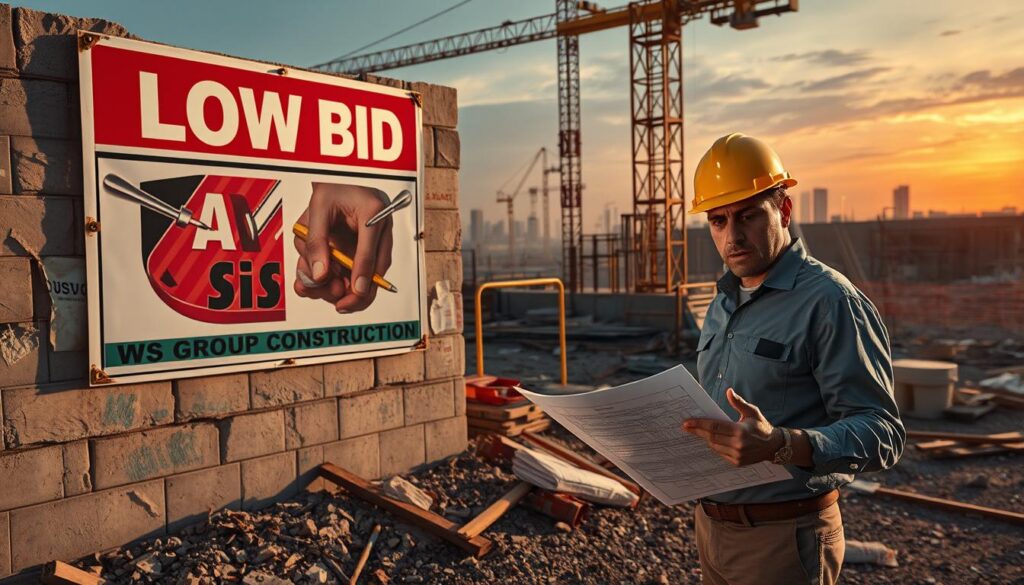
Teach clients how to avoid low bid traps
Understanding the nuances of project bids can save your business from costly mistakes. Many contractors find themselves lured by low bids, but this often leads to complications. Recognizing red flags is essential for protecting your firm.
As noted in the Building Balance newsletter, you must stop working for firms that do not respect you. They often demand low-bid work without fair markups. Here are some key signs to watch for:
- Unreasonable payment terms that put your cash flow at risk.
- Vague project scopes that leave room for misunderstandings.
- Pressure to accept bids quickly, limiting your ability to assess the job.
Empowering Yourself with Contract Review Best Practices
Outsourcing contract review can be a game-changer. It ensures you are protected before committing to a job. If you are always bidding, you may overlook the need to build a sales system that focuses on winning the right work at the right price.
A low bid request often sends the wrong signal, implying that you are a commodity rather than a skilled contractor essential to project success. You must have the courage to say no to projects that do not align with your expertise.
Strategies for Creating Long-Term Value Over Low Bids
In the competitive landscape of construction, the temptation to choose the lowest price can be misleading. Shifting your focus from merely winning bids to delivering value can transform your approach and outcomes.
A roofing contractor in Texas demonstrated this by achieving a 33% reduction in labor costs through meticulous planning and early material ordering. This success story highlights the importance of investing in real partnerships.
When you collaborate with owners and general contractors, you can address issues early, paving the way for smoother project execution. Start each job by considering how to enhance efficiency rather than just how to cut costs.
- Prioritize early material orders and proper crew staffing to boost quality and speed.
- Remember, profitability is essential for growth; don’t hesitate to charge what your work is worth.
- Planning with a focus on value allows better cash flow management, steering clear of common pitfalls.
| Strategy | Benefit | Long-Term Impact |
|---|---|---|
| Early Material Ordering | Reduces labor costs | Increased project efficiency |
| Effective Crew Staffing | Enhances quality | Stronger reputation |
| Value-Based Planning | Improves cash flow | Business growth |

Building Respectful Relationships and Streamlined Project Execution
Building strong partnerships in construction is essential for project success. Establishing respectful relationships with trade partners can greatly enhance your chances of completing projects on time and within budget.
You must set firm boundaries with any firm that does not respect your expertise. Working for them is a guaranteed way to lose money on a project. Developing real partnerships requires you to meet with potential clients in person to express your desire for mutual success in the construction industry today.
When you have the experience to demand respect, you will find that the right people are more than willing to pay for the value you bring to the job. It’s common to feel pressured to accept any work that comes your way, but this can lead to problematic situations.
By arranging partnership meetings, you can filter out bad actors and focus your business on clients who value your trade skills and performance. Additionally, following up every three months to assess if you are meeting expectations shows your investment in the relationship and the project’s success.
Controlling what you can control, specifically who you work for, is the most effective way to protect your company from the stress of low-bid work.
Conclusion
Making wise choices in construction bidding can significantly impact your project’s success and your business’s future. Escaping the low bid trap is possible when you focus on the value you deliver rather than just the price.
If your home or business is causing you trouble, call us at (727)-625-1374 or email contact@wsvgroup.com to discuss how we can help you improve your project results.
Stop chasing every job and start building a business that prioritizes long-term success over short-term gains. Remember, your skills in the construction industry deserve fair compensation, allowing your company to thrive.
By implementing these strategies, you can change the trajectory of your career and break the cycle of bidding work that leads to stress and lost money. Evaluate your current projects and start saying no to those that do not meet your standards for quality and profitability.
FAQ
Why is the lowest bid often not the best choice for my project?
The lowest bid may lead to unexpected costs and delays, as it often reflects inadequate planning or resources. A thorough evaluation of quality and reliability is essential.
What are the common red flags of low-bid projects?
Signs include vague proposals, lack of detailed project plans, and minimal experience. These can indicate potential issues down the line.
How can I protect my business from the risks associated with low bids?
Implementing rigorous contract review practices and conducting background checks on contractors can help mitigate risks and ensure project success.
What are the hidden costs of accepting a low bid?
Hidden costs may include poor workmanship, project delays, and potential legal issues. These factors can ultimately exceed the initial savings from a low bid.
How can I create long-term value in my projects?
Focus on building partnerships with reputable firms that prioritize quality and reliability over just cost. This approach fosters trust and ensures project success.
What strategies can I use to maintain respectful relationships with contractors?
Establish clear communication and set boundaries regarding expectations. This helps create a collaborative environment and leads to smoother project execution.