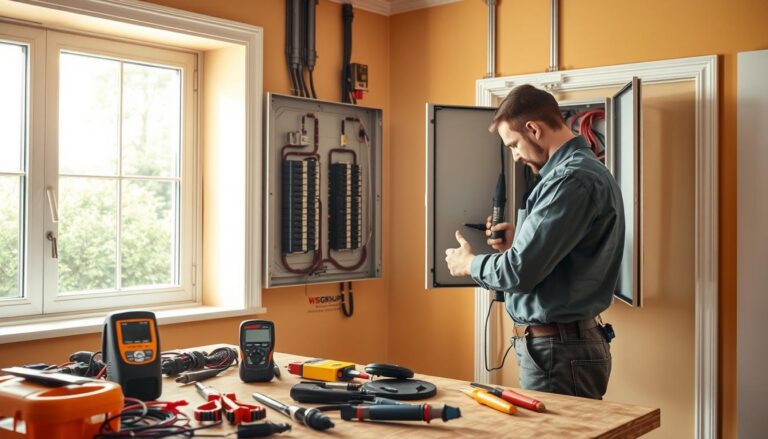
In the intricate world of construction, every detail matters. As we approach 2025, the landscape of building projects is becoming increasingly complex. You might not realize it, but the systems that power a structure—mechanical, electrical, and plumbing—are the very heartbeat of any modern building. These systems are not just components; they are vital threads woven into the fabric of your project.
Imagine standing in a space where everything functions seamlessly. That vision can only become a reality through meticulous planning and coordination. Without a formal process in place, you risk embarking on a journey blindfolded, leading to costly delays and wasted resources. Prioritizing the integration of these systems early in your project ensures they work in harmony, avoiding conflicts that can derail your timeline.
This guide aims to equip you with straightforward advice to navigate your next project with the precision of a seasoned contractor. Let’s delve into the world of MEP coordination and discover how it can be the engine that drives your project to success.
Key Takeaways
- Understanding the complexity of MEP systems is crucial for successful project execution.
- Effective coordination prevents costly delays and misalignments in your construction timeline.
- Prioritizing MEP processes early can lead to better resource management and budget efficiency.
- Seamless integration of systems is essential for meeting modern energy efficiency standards.
- This guide provides practical strategies for managing your construction project effectively.
Introduction to MEP Coordination
Successful construction relies on the seamless integration of various systems. This integration is vital for ensuring that mechanical, electrical, and plumbing systems work together efficiently. MEP coordination is the essential practice of bringing together architects, engineers, contractors, and consultants before any construction begins.
Understanding the role of these systems is crucial. They are the primary infrastructure components that dictate the functionality and comfort of your building environment. By defining their roles early, you can avoid common issues, such as HVAC ducts colliding with structural beams during installation.
Why does this matter for you? Effective coordination can significantly impact your bottom line. It reduces the frequency of change orders that often complicate construction projects. Establishing a clear coordination process ensures that all stakeholders are aligned on the spatial requirements of every system.
Moreover, managing these systems effectively guarantees that your building meets performance goals while maintaining the integrity of the original design vision.
Understanding the Components of MEP Systems
The effectiveness of a construction project hinges on the careful integration of its various systems. This integration involves understanding the essential components of mechanical, electrical, and plumbing services. Each plays a critical role in the overall functionality of your building.
Mechanical, Electrical, and Plumbing Essentials
Here are the key components to consider:
- Mechanical systems include HVAC equipment, such as cooling towers and air handling units, crucial for climate control.
- Electrical systems encompass panels, switchboards, transformers, and cable tray networks that power your entire project.
- Plumbing and sanitary systems involve pumps, water holding tanks, and sewage pits that must be integrated into the design.
- As noted by Korman in 2008, these building services must fit within architectural constraints to ensure safety and performance.
- These MEP systems account for 40 to 60 percent of total construction costs, making their effective management essential.
- Understanding these essentials helps you coordinate fire protection, controls, and data communication systems effectively.
Make commercial clients smarter about MEP coordination
Navigating the complexities of MEP systems can greatly enhance project outcomes. Educating stakeholders on the importance of precision engineering is essential. This understanding helps avoid razor-thin margins for error that can derail projects.
Firms like K2D Consulting Engineers exemplify how technology integration with field experience keeps projects moving forward. By sharing insights on early design involvement, you can illustrate why waiting until structural design is complete often leads to conflicts.
Moreover, revealing the realities of modern construction helps clients recognize that smarter, greener buildings demand rigorous coordination efforts. When you shift their perspective to see MEP as a value-add rather than just a cost, you foster a deeper appreciation for the engineering behind the build.
Professional engineering teams play a crucial role in ensuring that mechanical, electrical, and plumbing systems are optimized for long-term performance. This proactive approach can lead to more successful and efficient projects.

The True Cost of Poor MEP Coordination
The financial repercussions of inadequate MEP planning can be staggering. Poor coordination leads to costly change orders. Redesigning systems mid-construction can result in thousands of dollars in unplanned expenses for your project.
Every day a project is delayed due to rework, your return on investment drops. This situation often leads to significant budget overruns. Moreover, code violations frequently arise from poorly planned systems. These violations can trigger inspection failures, forcing you into costly revisions.
As noted by Riley in 2000, the average cost of fixing a field conflict ranges from $500 to $3,500 for minor rerouting tasks. Major conflicts can cost up to $25,000, proving that the cost of poor coordination is far higher than the price of early planning.
Consider the wasted labor and material costs when trades must remove installed work to accommodate others. These factors underscore the importance of thorough MEP planning.
| Type of Conflict | Average Cost | Potential Impact |
|---|---|---|
| Minor Rerouting | $500 – $3,500 | Small delays, manageable budget impact |
| Major Design Changes | Up to $25,000 | Significant delays, major budget overruns |
| Code Violations | Varies | Inspection failures, costly revisions |
The Role of BIM and 3D Clash Detection
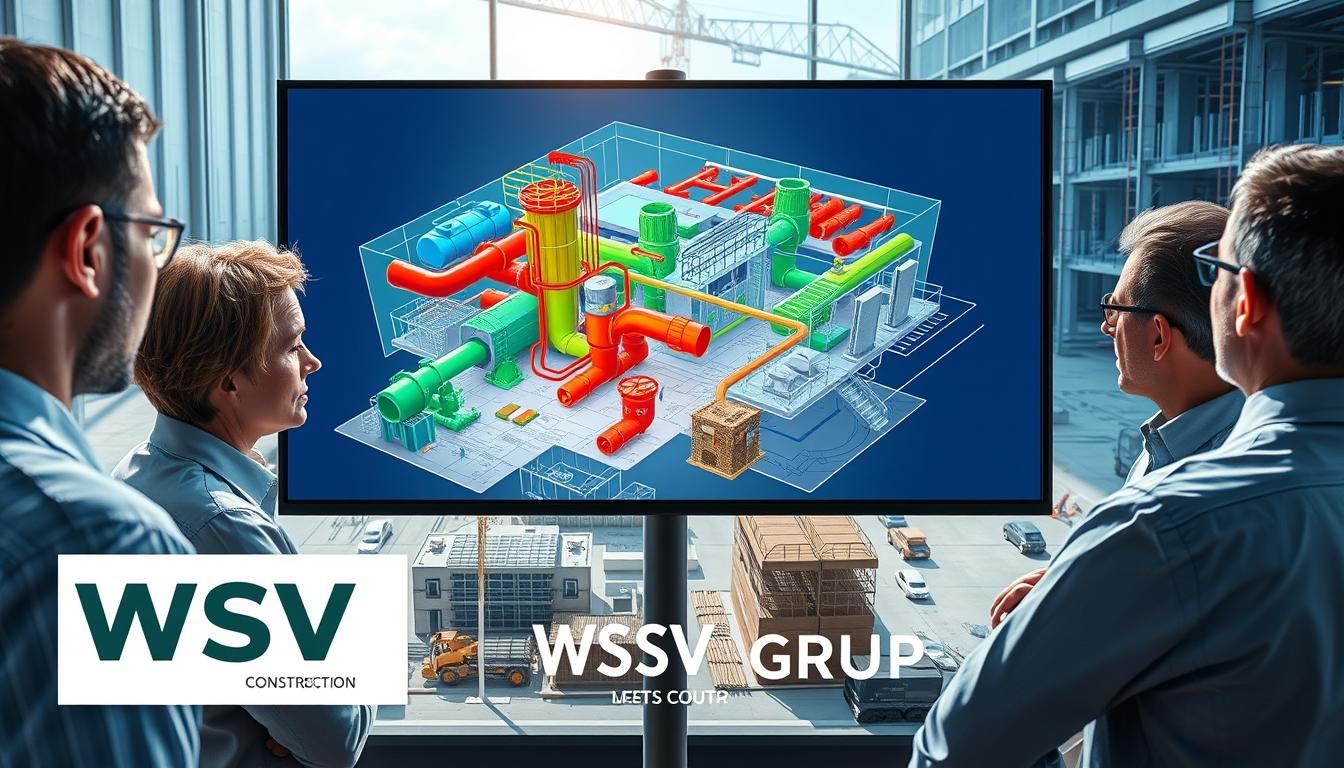
Utilizing innovative solutions can streamline the complexities of construction. Building Information Modeling (BIM) is a game-changer in MEP coordination. It allows you to simulate every detail of your systems before installation. This proactive approach helps avoid costly errors.
3D models play a crucial role in clash detection. They help visualize potential conflicts, optimizing spatial layouts before physical work begins. By doing so, you can prevent issues that could lead to delays and budget overruns.
The traditional sequential comparison overlay process, as identified by Riley et al. in 2005, is outdated. Modern 3D clash detection methods are far more efficient. Utilizing a 3D MEP preliminary design model at LOD 100 establishes a solid foundation for coordination.
BIM-based technology enhances the design process. It provides a virtual 3D model that is easier to modify than traditional 2D drawings. Automated clash detection software flags every instance where systems overlap, ensuring seamless integration.
| Process | Benefits | Technology Used |
|---|---|---|
| BIM Simulation | Prevents costly errors | 3D Modeling Software |
| Clash Detection | Visualizes conflicts | Automated Software |
| LOD 100 Model | Establishes coordination baseline | Building Information Modeling |
Streamlining Your Process: Early Planning and Coordination Meetings
Initiating coordination early can significantly streamline your building process. This crucial step lays the groundwork for successful project execution. By starting your MEP coordination in the preconstruction phase, you ensure that all trade drawings are overlaid and potential conflicts are identified.
Holding a preconstruction meeting with your mechanical, electrical, and plumbing teams allows you to set routing priorities before any materials are ordered. This proactive approach can save you thousands of dollars and weeks of schedule time.
Moreover, maintaining regular and focused meetings during the rough-in phase is essential. These discussions are not optional if you want to keep your project on track. Walking the job site with your trade foremen can help resolve routing conflicts that may not be visible on 2D plans.
Establishing a clear routing hierarchy is vital. For instance, giving priority to gravity-fed systems like sanitary waste can prevent disputes between trades during construction. Keep these meetings short and focused; thirty minutes is usually sufficient if everyone comes prepared to discuss their work.
Essential Tools and Technologies for Effective MEP Coordination
The tools you choose can dramatically influence the success of your construction project. Effective management software is crucial for keeping everything organized. With platforms like Projul, over 5,000 contractors streamline their processes. This software allows you to centralize MEP coordination decisions, making it easier to track progress.
Scheduling tools are equally important. They ensure that your HVAC crew knows exactly when the plumber is working in the same area next week. This synchronization minimizes conflicts and enhances efficiency.
You don’t need a million-dollar BIM setup to coordinate effectively. The right software can make a massive difference in your daily operations. Keeping your trades on the same page requires a system that documents every routing decision and agreed-upon change to protect your project interests.
Additionally, laser scanning and as-built verification provide real data for renovation projects. This ensures your coordination is based on reality rather than outdated drawings. A solid management platform ensures that when an electrical sub asks about conduit elevation, the answer is a quick search away, not buried in email.
| Tool/Technology | Purpose | Benefits |
|---|---|---|
| Construction Management Software | Centralizes MEP decisions | Improves organization and tracking |
| Scheduling Tools | Coordinates trade schedules | Minimizes conflicts and delays |
| Laser Scanning | Provides accurate site data | Ensures real-time coordination |
Overcoming Common MEP Conflicts on Commercial Projects
Navigating the challenges of MEP systems can often feel like solving a complex puzzle. Conflicts can arise at various stages of construction, impacting your project’s timeline and budget. Understanding how to address these challenges is crucial for a successful outcome.
Here are some common issues and strategies to overcome them:
- HVAC ductwork often occupies the most space in a ceiling plenum. Prioritize your mechanical subcontractor’s input in congested areas to minimize conflicts.
- Gravity-fed systems, like storm drains, are not easily rerouted. Therefore, plumbing should typically receive routing priority for below-ceiling installations.
- Ensure that electrical panel access remains clear. Installing mechanical units or plumbing valves in front of them can lead to major code violations.
- Fire protection systems add complexity. Bring in the fire protection contractor early in your MEP meetings to streamline coordination.
- Ceiling space conflicts are common. A detailed ceiling coordination drawing showing every system’s elevation can prevent most spatial issues.
- Penetration conflicts at structural members must be flagged. Send these to the structural engineer before cutting or drilling into load-bearing walls.
Real-World Strategies from the Field
Effective management of trade relationships can be the difference between success and failure in construction. When you oversee MEP systems, acting as a referee rather than a combatant is essential. This approach ensures that the project’s overall schedule remains the top priority.
Resolving routing conflicts on the same day they are identified prevents small issues from escalating into costly rework. Recognizing trade foremen who spot conflicts early fosters professional relationships, making future projects easier to manage.
Addressing scope creep immediately is vital. If you ask a subcontractor to reroute work without discussing change orders, you risk losing their cooperation. Firms like United-BIM offer specialized MEP coordination services, guiding teams through the complexities of modern building infrastructure.
Additionally, keeping the owner informed about major coordination issues that affect the budget or schedule builds long-term trust and collaboration.
| Strategy | Description | Benefits |
|---|---|---|
| Act as Referee | Manage trade relationships impartially | Ensures project schedule priority |
| Resolve Conflicts Quickly | Address routing issues on the same day | Prevents costly rework |
| Acknowledge Early Spotting | Recognize foremen who identify conflicts | Builds strong professional relationships |
| Immediate Scope Management | Discuss change orders upfront | Maintains subcontractor cooperation |
| Owner Communication | Inform owners about major issues | Builds trust and transparency |
Best Practices for Coordinating MEP Work on Commercial Projects
Implementing effective practices is vital for successful project outcomes. A disciplined four-phase process—preconstruction, pre-rough-in, active rough-in, and post-rough-in—forms the backbone of efficient MEP work. Following this structured approach ensures that all systems are integrated smoothly, minimizing potential conflicts.
During the preconstruction phase, overlaying drawings is essential. This step allows you to visualize the entire project before any physical work begins. It sets the stage for identifying issues early on.
Integrating technology like 3D modeling with hands-on expertise is crucial. This combination ensures that your work adheres to all relevant building codes and standards. It also enhances collaboration among teams, leading to more effective solutions.
Integrating Technology with Hands-On Expertise
In the post-rough-in phase, verifying that all penetrations are properly sealed and fire-stopped is critical. This step helps maintain safety and compliance throughout the building. Additionally, confirming panel clearances and access requirements before closing walls prevents future maintenance headaches.
Ensuring Compliance and Efficiency
Documenting as-built conditions with photos and markups provides a valuable record for the owner. This practice simplifies future upgrades to the building services, making it easier to manage long-term maintenance.
Consistency is key. Apply these coordination practices to every project, whether it is a large build or a remodel. By doing so, you create a reliable framework that enhances efficiency and compliance.
| Phase | Key Activities | Benefits |
|---|---|---|
| Preconstruction | Overlay drawings | Identifies issues early |
| Pre-Rough-In | Integrate technology | Enhances collaboration |
| Active Rough-In | Verify penetrations | Ensures safety compliance |
| Post-Rough-In | Document as-built conditions | Simplifies future upgrades |
Conclusion
MEP coordination is the silent engine that drives the success of every modern building project. By implementing a disciplined process and utilizing the right technology, you can ensure that your mechanical, electrical, and plumbing systems work in perfect harmony.
If your home or construction project is causing you trouble, call us at (727)-625-1374 or email contact@bsnpmanagement.com for professional assistance.
Remember, the difference between a project that runs smoothly and one that is bogged down by change orders often lies in the ceiling plenum. Get your coordination process dialed in today, and you will find that the rest of your construction work becomes significantly easier to manage.
Proactive planning and clear communication with your trades are the ultimate tools for delivering projects on time and within your established budget.
FAQ
What is MEP coordination?
MEP coordination involves the systematic planning and integration of mechanical, electrical, and plumbing systems within a construction project. It ensures that these systems work together efficiently and meet design specifications.
Why is MEP coordination important for construction projects?
Effective MEP coordination minimizes conflicts and clashes during construction, reducing the likelihood of costly change orders and delays. It helps maintain project timelines and budgets while ensuring compliance with building codes.
How does BIM contribute to MEP coordination?
Building Information Modeling (BIM) enhances MEP coordination by providing a 3D visualization of all systems. This allows teams to identify potential clashes early in the design phase, facilitating better planning and execution.
What are common conflicts encountered in MEP systems?
Common conflicts include routing issues, inadequate space for installation, and overlaps between different systems. Addressing these challenges early can prevent delays and additional costs.
How can I streamline the MEP coordination process?
Start MEP coordination early in the project and maintain regular meetings among all stakeholders. This proactive approach helps identify issues before they escalate and ensures that everyone is aligned on project goals.
What tools are essential for effective MEP coordination?
Key tools include construction management software for scheduling and tracking progress, as well as clash detection software that helps visualize and resolve conflicts in MEP systems.
What best practices should I follow for MEP coordination?
Integrate technology with hands-on expertise, ensure regular communication among teams, and prioritize compliance with local codes and regulations to achieve efficient MEP coordination.