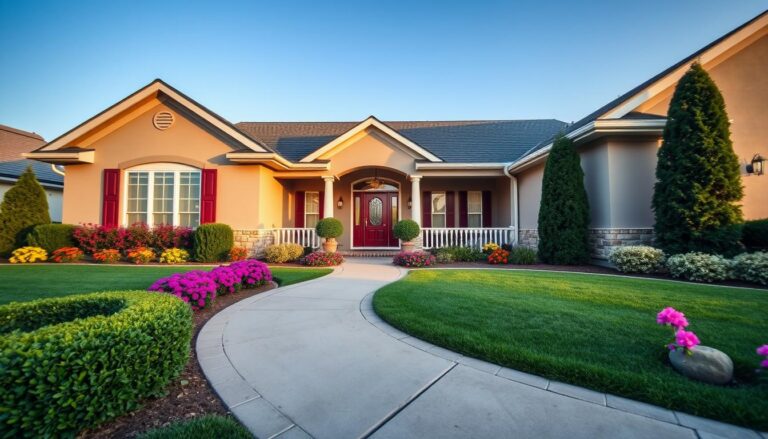
Did you know a good driveway can boost your home’s look and value? But, many face issues like cracks, potholes, and bad drainage.
These problems can be a hassle and expensive to fix. But, with the right help, you can find great solutions. Whether you need to fix or replace your driveway, knowing your choices is important.
Need driveway help? Call or Text 727-625-1374 for expert advice.
Key Takeaways
- Common driveway problems can lower your home’s value.
- Expert solutions can help you repair or replace your driveway.
- A well-kept driveway makes your home look better.
- Knowing your options is key for good driveway solutions.
- Getting professional advice can save you time and money.
Common Driveway Problems Homeowners Face
As a homeowner, you’re likely no stranger to driveway dilemmas. But knowing the common problems can help you tackle them effectively. Your driveway is a big part of your home’s look, and problems with it can cause bigger issues if not fixed fast.
Identifying Cracks and Surface Damage
Cracks and surface damage are common driveway problems. They can come from weather, heavy traffic, or bad installation.
Types of Cracks and What They Indicate
Different cracks mean different things. For example, longitudinal cracks often show poor construction or settlement. Transverse cracks might be from temperature changes or heavy loads.
It’s key to spot early signs. Look for slight depressions, minor cracks, or water pooling. Fixing these early can stop bigger damage.
Drainage Issues and Their Consequences
Poor drainage causes many problems, like water damage, erosion, and structural issues. It’s vital to make sure your driveway drains well.
| Drainage Issue | Consequence | Solution |
|---|---|---|
| Water Pooling | Damage to driveway surface | Install proper drainage system |
| Erosion | Loss of driveway material | Regularly inspect and maintain drainage |
Structural Failures That Require Immediate Attention
Structural failures can be very bad, leading to expensive fixes or even needing a new driveway. If you see big cracks, uneven surfaces, or other damage signs, act fast.
Need help with your driveway? Call or Text 727-625-1374 for expert help.
How Weather and Climate Affect Your Driveway
Weather and climate greatly affect your driveway’s life span. Different weather can lead to damage like cracks and structural issues.
Freeze-Thaw Cycles in Northern States
In northern states, freeze-thaw cycles are a big problem. Water gets into cracks, freezes, and expands, causing more damage. Using sealing solutions can help protect your driveway.
Heat Expansion Issues in Southern Regions
In southern areas, heat causes pavement to expand and contract. This leads to cracks and damage. Using materials that resist heat expansion can help.
Moisture Control Challenges in Humid Areas
In humid places, controlling moisture is key to avoid water damage. Regular maintenance, like sealing solutions, can protect your driveway.
Preventing Water Damage
To stop water damage, make sure your driveway is graded right. Also, direct water away from the surface.
Seasonal Protection Strategies
Using seasonal protection, like sealing before winter, can make your driveway last longer.
| Climate | Common Issues | Protection Strategies |
|---|---|---|
| Northern States | Freeze-thaw cycles | Sealing, snow removal |
| Southern Regions | Heat expansion | Using heat-resistant materials |
| Humid Areas | Moisture damage | Regular sealing, proper grading |
Selecting the Ideal Driveway Material for Your Property
Choosing the right material for your driveway installation is key. It can change how your home looks and lasts. The right choice can make your home look better, work better, and even increase its value.
Concrete Driveways: Durability and Design Options
Concrete driveways are tough and versatile. They can handle heavy loads and come in many finishes.
Stamped and Decorative Concrete
Stamped concrete adds a decorative touch. It can look like brick, stone, or other patterns. This boosts your property’s look.
Plain vs. Reinforced Concrete
Plain concrete is cheaper. Reinforced concrete, with materials like rebar, is stronger and lasts longer. Your choice depends on your needs and budget.
Asphalt Pavement: Cost-Effective Solutions
Asphalt driveways are popular for being affordable and durable. They’re quick to install and work well in different climates.
Alternative Materials: Pavers, Gravel, and Permeable Options
Pavers, gravel, and permeable pavers are great alternatives. Pavers add a decorative touch, gravel is easy to lay, and permeable options help with water drainage.
Need driveway help? Call or Text 727-625-1374 for expert solutions and advice on the best material for your property.
DIY Repairs vs. Professional Driveway Solutions
When you face driveway problems like cracks or potholes, knowing when to DIY or call a pro is key. Driveway fixes can be simple or complex, needing special skills.
Projects You Can Safely Handle Yourself
For small issues, DIY can save you money. Tasks like filling small cracks and sealing your driveway are doable with the right tools and some knowledge.
Simple Crack Filling Techniques
Filling driveway cracks is easy. Clean the crack, apply a filler, and seal it to stop more damage. Use a high-quality filler and follow the maker’s guide for top results.
DIY Sealing Tips
Sealing your driveway keeps it safe from weather and extends its life. Choose the right sealant for your driveway and seal on a dry day for best adhesion.
When to Call the Experts
DIY is good for small problems, but big issues need a pro. If you face major damage or structural problems, or are unsure what to do, it’s time for a pro. Need driveway help? Call or Text 727-625-1374 for expert advice.
Cost Comparison: Short-Term Fixes vs. Long-Term Solutions
When fixing your driveway, think about the costs of DIY versus hiring a pro. DIY might seem cheaper at first, but professional repairs last longer and can save you money over time.
Essential Maintenance to Extend Your Driveway’s Life
Keeping your driveway in good shape can make it last longer. Regular care not only makes your home look better but also saves you money on big repairs. Knowing what your driveway needs based on its type and where you live helps a lot.
Seasonal Maintenance Schedule for Different Materials
Driveways made of different materials need different care. For example, asphalt driveways need sealing every 2-3 years. Concrete driveways might need it every 5 years. Knowing what to do seasonally is important.
- Spring: Check for winter damage.
- Summer: Clean and seal if needed.
- Fall: Remove leaves to avoid stains.
- Winter: Use safe snow removal methods.
Preventative Measures That Save Money
Preventing problems is the best way to keep your driveway in good shape. Cleaning it regularly and using the right sealant are key.
Regular Cleaning Practices
Cleaning your driveway often stops damage from dirt and other stuff. Use mild soap and water. Avoid harsh chemicals that can harm the material.
Sealant Application Guidelines
Sealing your driveway protects it from the weather and makes it last longer. Make sure the surface is clean and dry before sealing. Always follow the sealant’s instructions for how to apply and dry times.
Professional Maintenance Services Worth Considering
Some jobs are better left to the pros. If you’re not sure about your driveway or need big repairs, get a pro’s opinion. They can check it out and tell you what to do.
Expert Approaches to Solving Driveway Complications
Fixing driveway problems needs a careful plan. You might face cracks, uneven areas, or bad drainage. Luckily, there are skilled solutions to tackle these issues well.
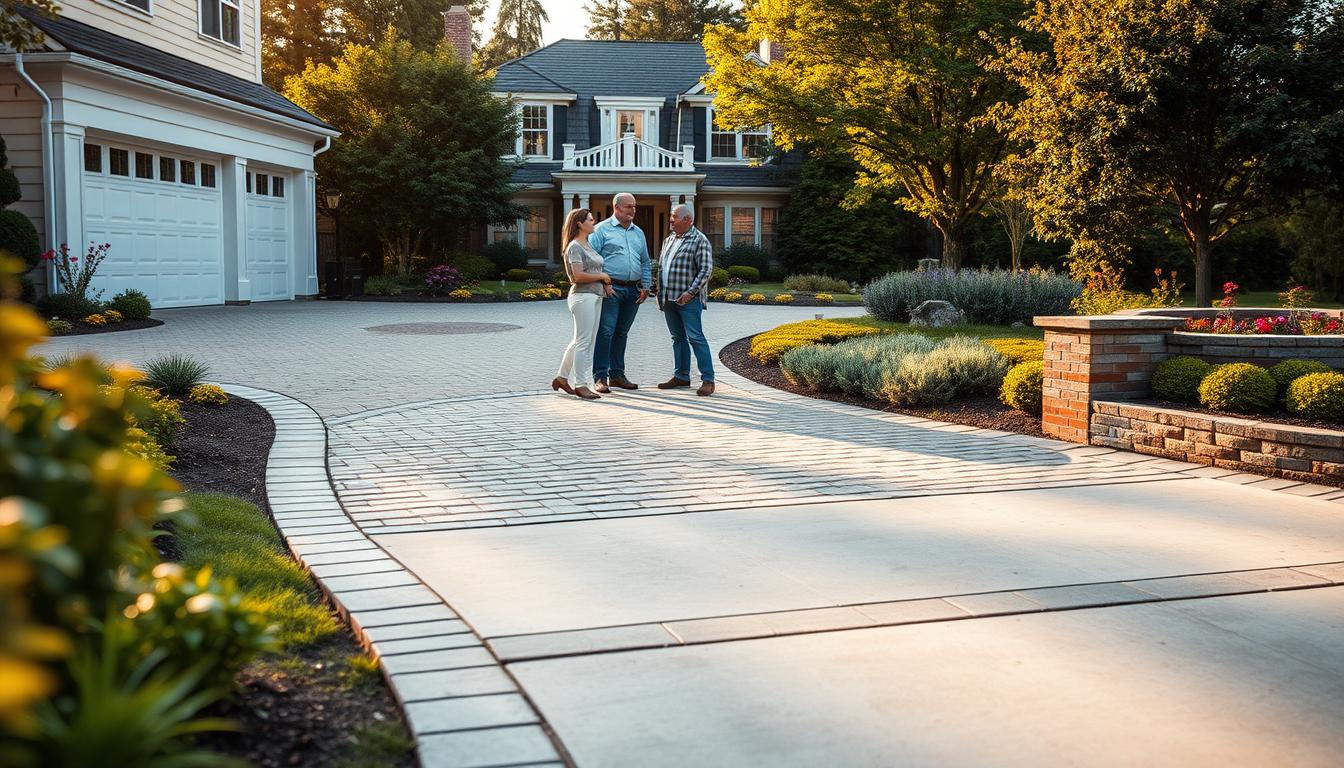
Advanced Repair Techniques for Serious Damage
For big damage, you need advanced fixes. This means using special materials and tools for a strong, lasting repair. Professional contractors can check the damage and suggest the best fix.
Modern Solutions for Traditional Pavement Problems
Modern fixes bring many benefits for old pavement issues. They include eco-friendly repair options that fix problems and protect the environment.
Eco-Friendly Repair Options
Eco-friendly repairs are getting more popular. They use green materials and methods to cut down on environmental harm.
Technology-Driven Assessment Methods
Modern tech helps figure out driveway problems accurately. This lets homeowners make smart choices about fixing and caring for their driveways.
When Replacement Makes More Sense Than Repair
Sometimes, it’s better to replace your driveway than fix it. This is true for driveways with a lot of damage or nearing the end of their life. Consulting with a professional can help decide the best way to go.
Need driveway help? Call or Text 727-625-1374 for expert advice.
Enhancing Your Driveway’s Appearance and Functionality
A well-designed driveway boosts your property’s look and use. The right design can make your home more attractive and valuable.
Design Elements That Add Property Value
Choosing the right driveway installation design matters a lot. Use top-quality pavement materials that last and look good. Options include stamped concrete, pavers, or decorative asphalt.
Lighting and Safety Features for Practical Benefits
Good lighting is key for safety and looks. Pathway lights or driveway lamps improve visibility and welcome visitors. This is especially true for long driveways or those in poorly lit areas.
Border and Landscaping Integration
Making your driveway blend with the landscape is smart. Use plants that are easy to care for and won’t harm your pavement.
Plants That Won’t Damage Your Driveway
Picking the right plants is crucial. Go for groundcovers like creeping thyme or sedum. They’re tough and won’t damage your driveway.
Decorative Elements That Complement Your Home
Decorative items like statues, planters, or furniture can enhance your home’s look. Make sure they match your home’s style for a unified appearance.
| Design Element | Benefit | Cost |
|---|---|---|
| Stamped Concrete | Durable, visually appealing | $8-$12 per sq ft |
| Pavers | Customizable, long-lasting | $10-$15 per sq ft |
| Decorative Asphalt | Cost-effective, versatile | $3-$6 per sq ft |
Navigating Residential Construction Challenges for New Driveways
Starting a new driveway project means understanding residential construction well. This knowledge helps you manage your project better. It ensures it’s done on time and within budget.
Understanding Permit Requirements and Local Regulations
Before starting, know the permits and rules for driveways in your area. These rules can change a lot. Not following them can cause delays or fines. Getting the right permits early makes your project smoother.
Working Effectively with Contractors
Choosing the right contractor is key. Ask important questions and watch for warning signs. Key questions to ask include:
- What experience do you have with driveway installations?
- Can you provide references or examples of previous work?
- What is your timeline for completion, and what are the payment terms?
Red flags to watch for:
- Unusually low bids that may indicate subpar materials or workmanship
- Lack of proper licensing or insurance
- Poor communication or unresponsiveness
Questions to Ask Before Hiring
Asking the right questions before hiring can prevent future problems. Make sure to ask about their experience, costs, and when they can start.
Red Flags to Watch For
Knowing common red flags helps you avoid bad contractors. Look out for very low prices or if they don’t communicate well.
Realistic Timeline Expectations for Your Project
Knowing how long a driveway project takes is important. Weather, material availability, and project complexity affect the time. Having a realistic timeline helps manage your expectations and reduces stress.
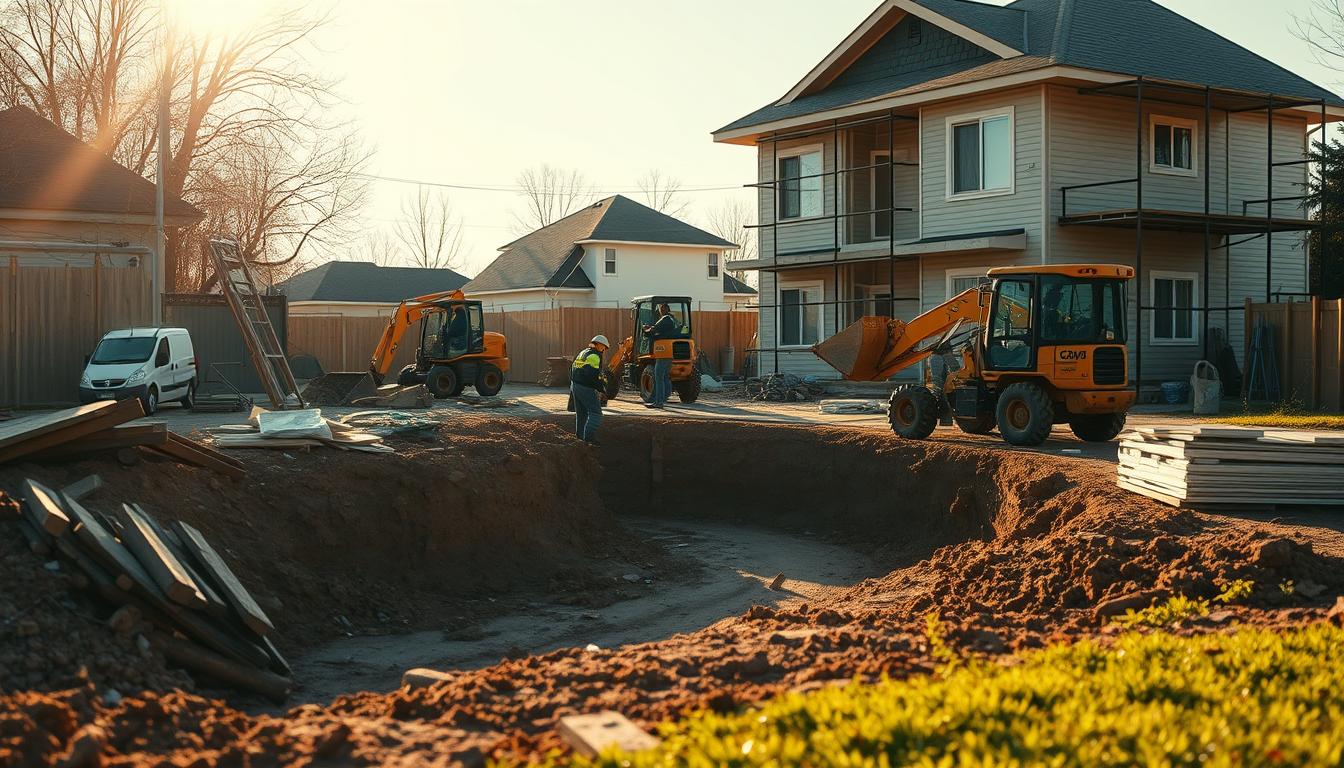
Budget-Friendly Pavement and Concrete Solutions
Fixing or maintaining your driveway doesn’t have to cost a lot. There are many affordable options to choose from. Whether you’re facing cracks, surface damage, or structural issues, you can find ways to fix them without spending too much.
Affordable Repair Options That Don’t Sacrifice Quality
For many, the secret to cheap driveway fixes is knowing the right materials and methods. High-quality sealing solutions can make your pavement last longer and prevent more damage. For example, applying a sealcoat every few years can protect your driveway from the weather and save you money on future repairs.
Phased Improvement Strategies for Limited Budgets
If you can’t afford a full driveway makeover, consider doing it in phases. Start with the most urgent areas, like filling cracks or resurfacing damaged spots. This way, you can pay for it over time while keeping your driveway in good shape.
Financing Options for Major Driveway Projects
For big repairs or replacements, you might need to borrow money. Here are some options to consider:
Home Improvement Loans
Many banks offer home improvement loans with good interest rates. These loans can give you the money you need for big driveway projects.
Contractor Payment Plans
Some contractors let you pay for the project in installments. Talking to your contractor about payment plans can make big projects easier to handle.
| Financing Option | Benefits | Considerations |
|---|---|---|
| Home Improvement Loans | Competitive interest rates, lump sum for projects | Credit score requirements, loan terms |
| Contractor Payment Plans | Flexible payment schedules, manageable monthly payments | Interest rates, total cost over time |
Need driveway help? Call or Text 727-625-1374 for expert advice and solutions that fit your needs.
Conclusion: Taking Action on Your Driveway Dilemmas
Now that you’ve looked into common driveway problems and solutions, it’s time to act. Whether it’s cracks, drainage issues, or structural failures, fixing these quickly is key. It keeps your home’s value and safety up.
You can try DIY fixes or get help from pros, based on the problem’s size. For expert help, think about contacting a trusted service provider. Need driveway help? Call or Text 727-625-1374 to start.
Choosing the right driveway fixes will boost your property’s look and make driving safer. Start solving your driveway problems today.