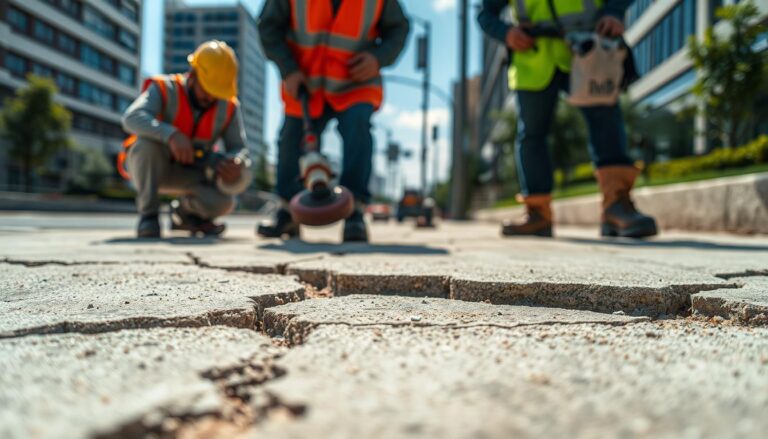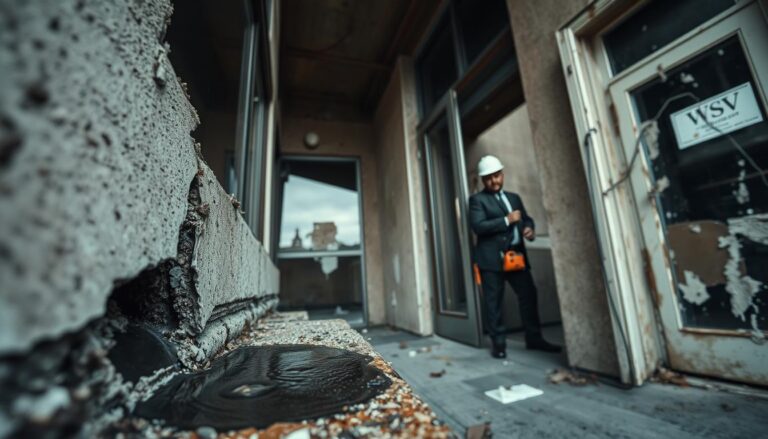
Do you know the dangers on your construction site? Keeping your site safe is key for property owners, no matter the project size.
As a property owner, you play a big role in keeping your site safe. This keeps your investment safe and makes sure workers stay healthy and safe.
Worried about construction safety on your site? You’re not alone. At WSV Group, we’re here to help. Your Home causing you Trouble? Call us at (727)-625-1374 or email contact@mail.wsvgroup.com.
Key Takeaways
- Understanding the basics of jobsite safety is essential for property owners.
- Both residential and commercial projects require strict safety measures.
- Maintaining a safe working environment protects your investment.
- WSV Group is available to address your construction safety concerns.
- Proactive safety measures can prevent accidents and ensure a smooth project execution.
Understanding Jobsite Safety Fundamentals
As a property owner, it’s key to know the basics of jobsite safety. It’s not just about following rules. It’s about making a safe place for everyone on your construction project.
Why Jobsite Safety Matters to Property Owners
You might ask why jobsite safety is important to you. But, ensuring a safe work area is vital for reducing risks and avoiding big problems. By focusing on safety, you protect workers and your investment too.
The Difference Between Residential and Commercial Safety Requirements
Residential and commercial building projects need different safety rules. This is because of their size and complexity. Knowing these differences helps you set up the right safety steps.
Scale and Complexity Considerations
Commercial projects are bigger, with more workers, complex buildings, and heavy machines. They need stricter safety rules than homes.
Regulatory Oversight Variations
OSHA regulations cover both home and commercial builds. But, commercial sites often get checked more closely. If you’re dealing with construction problems, get help from experts. Call us at (727)-625-1374 or email contact@mail.wsvgroup.com for support.
Legal Responsibilities and Liabilities for Property Owners
Knowing your legal duties as a property owner is key to a safe and legal construction site. You’re not just investing in a project; you’re also ensuring the site is safe for everyone. This is true for both homes and businesses.
Your Legal Obligations as a Residential Property Owner
Residential owners must follow local building codes and safety rules. This means contractors must follow safety rules and the site must be hazard-free. Not following these rules can lead to fines and legal trouble.
Commercial Property Owner Responsibilities
Commercial owners face stricter rules for jobsite safety. You must have a detailed safety plan that meets OSHA standards. This plan needs regular updates to keep up with site changes.
Potential Liabilities When Safety Standards Aren’t Met
Not meeting safety standards can lead to big problems for property owners. This includes fines, lawsuits, and delays. In some cases, it can even lead to criminal charges. It’s vital to act early to avoid these risks.
Insurance Implications of Safety Violations
Safety breaches can also hurt your insurance. If you don’t follow safety rules, your insurance costs might go up or you could lose coverage. This makes keeping a strong safety plan even more important. If you’re having trouble with your project, get help. Call us at (727)-625-1374 or email contact@mail.wsvgroup.com for support.
Essential OSHA Requirements Every Owner Should Know
OSHA rules are key to keeping workers safe on your construction site. As a property owner, knowing these rules is vital. It helps keep your site safe and avoids legal trouble.
Key OSHA Regulations for Residential Projects
Residential projects have specific OSHA rules. These cover hazards like falls, electrical safety, and the right use of personal protective equipment (PPE). Following these rules can greatly lower accident risks.
- Fall protection measures
- Proper use of ladders and scaffolding
- Electrical safety practices
Commercial-Specific OSHA Standards
Commercial projects need stricter OSHA rules because of their complex nature. These include detailed rules for scaffolding, fall protection, and hazard communication.
| OSHA Standard | Description | Compliance Requirement |
|---|---|---|
| Fall Protection | Guardrail systems or safety nets to prevent falls | Implement fall protection plans and training |
| Scaffolding | Proper erection and use of scaffolding | Regular inspections and maintenance |
| Hazard Communication | Informing workers about chemical hazards | Maintain Safety Data Sheets (SDS) and provide training |
Penalties for Non-Compliance
Not following OSHA rules can lead to big fines and lawsuits. Knowing these penalties can push property owners to focus on site safety.
Having trouble with site safety or following rules? Call us at (727)-625-1374 or email contact@mail.wsvgroup.com for help.
How to Stay Updated on Changing Regulations
OSHA rules change often, and keeping up is essential. Check OSHA’s official website regularly. Also, consider subscribing to their updates to stay current with new rules.
How to Set Clear Expectations for Jobsite Safety and Professionalism
To keep your jobsite safe and professional, setting clear expectations is key. This means taking several important steps. These steps help your construction project finish on time, within budget, and safely.
Communicating Safety Requirements in Contracts
It’s crucial to clearly state safety rules in your contracts. You should outline the safety protocols that contractors must follow. Also, explain the consequences of not following these rules and how to report incidents. This creates a safe and responsible work environment.
Pre-Construction Safety Meetings
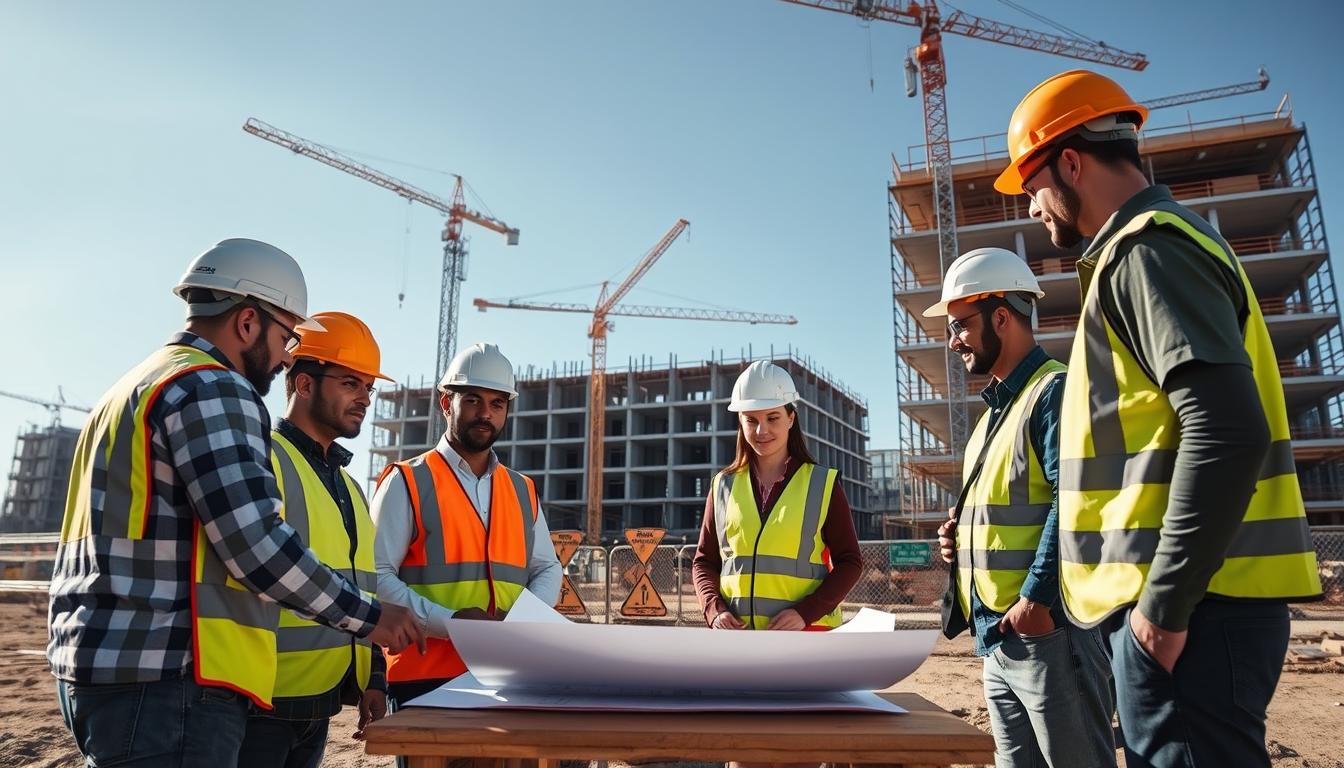
Pre-construction safety meetings are vital. They set the safety standards for your project. In these meetings, you can discuss safety plans, address concerns, and make sure everyone is on the same page. It’s also a chance to introduce your safety plan and why it’s important.
Establishing Professional Standards for Your Project
Professionalism is as important as safety on the jobsite. Setting clear standards for behavior, attire, and communication is essential. This includes guidelines for language, drug and alcohol policies, and worker conduct expectations.
Creating Accountability Systems
To keep safety and professionalism standards, you need accountability systems. This can include regular inspections, incident reporting, and disciplinary actions for not following rules. By holding everyone accountable, you emphasize the importance of following your project’s standards.
If you’re facing problems with your construction project or need help setting safety and professionalism expectations, reach out. Call us at (727)-625-1374 or email contact@mail.wsvgroup.com for assistance.
Creating an Effective Jobsite Safety Plan
To keep your construction site safe, you need a good safety plan. A well-made plan protects workers, lowers risks, and meets legal rules.
Components of a Comprehensive Safety Plan
A good safety plan has several parts. It should list safety rules and emergency plans. It also needs to spot dangers and teach workers how to avoid them.
Tailoring Safety Plans for Residential Projects
Residential projects need a safety plan that covers specific dangers. This includes falls, electrical safety, and handling materials. It’s key that contractors follow your safety rules.
Commercial Safety Plan Requirements
Commercial projects need a detailed safety plan because of their size and complexity. Your plan should cover scaffolding, heavy equipment, and fire safety.
Implementing and Enforcing Your Safety Plan
To make your safety plan work, train your team and check for safety often. Always follow your safety rules. Update your plan as needed to keep up with new rules. For help with your project, call us at (727)-625-1374 or email contact@mail.wsvgroup.com.
Personal Protective Equipment (PPE) Standards
Knowing about Personal Protective Equipment (PPE) standards is key for keeping construction sites safe. PPE acts as a shield against dangers like falls, electrical shocks, and harmful chemicals.
Essential PPE for Residential Construction
On residential construction sites, you’ll need:
- Hard hats to protect against falling objects
- Safety glasses to prevent eye injuries
- Steel-toed boots for foot protection
- High-visibility clothing to make workers more visible
Additional PPE Requirements for Commercial Projects
Commercial projects need more PPE because of their size and complexity. This includes:
- Respiratory protection for workers handling hazardous materials
- Fall protection gear, such as harnesses and lanyards
- Hearing protection for workers exposed to loud noises
Verifying Proper PPE Usage and Maintenance
It’s just as important to make sure PPE is used right and kept in good shape. Regular checks should be done to:
- Ensure PPE is in good condition
- Make sure workers know how to use it
- Confirm PPE fits the specific dangers on site
Special PPE for Hazardous Materials
Working with dangerous materials requires special PPE. This might include:
- Chemical-resistant suits
- Gloves made for chemical protection
- Respirators with the right filters
For more on construction safety and PPE, or if you’re facing problems with your project, call us at (727)-625-1374 or email contact@mail.wsvgroup.com.
Jobsite Cleanliness and Organization Best Practices
Keeping a jobsite clean and organized is more than just making it look good. It’s key to avoiding accidents and following safety rules. A tidy site cuts down on injury risks and boosts project speed.
Daily Cleanup Requirements
Make cleaning up a daily habit to keep your site safe. Get rid of trash, put away tools, and clear paths. Daily cleanups stop slips, trips, and falls.
Material Storage and Waste Management
Storing materials right and managing waste is vital for a clean site. Keep materials in their spots and don’t block paths. Regularly getting rid of trash and recyclables cuts down on fire and pollution risks.
How Cleanliness Impacts Overall Safety
A clean site is a safer place. Mess and disarray can cause accidents. A neat site boosts worker happiness and work quality. Cleanliness is a big part of safety, cutting down on dangers and keeping standards high.
Protecting Adjacent Properties from Debris
You need to keep nearby areas safe from site mess. Use nets, dispose of waste right, and keep the site edge clean. This way, you avoid harming nearby places and keep a good community image. Having trouble with your project? Call us at (727)-625-1374 or email contact@mail.wsvgroup.com.
Fall Protection and Scaffolding Safety
Fall protection and scaffolding safety are key parts of a strong construction safety plan. They are crucial for keeping workers safe on both home and business construction sites.
Residential Fall Protection Requirements
Home construction projects need guardrails, safety nets, or personal fall arrest systems. It’s important to figure out the best safety measures for each project.
Commercial Scaffolding and Fall Protection Standards
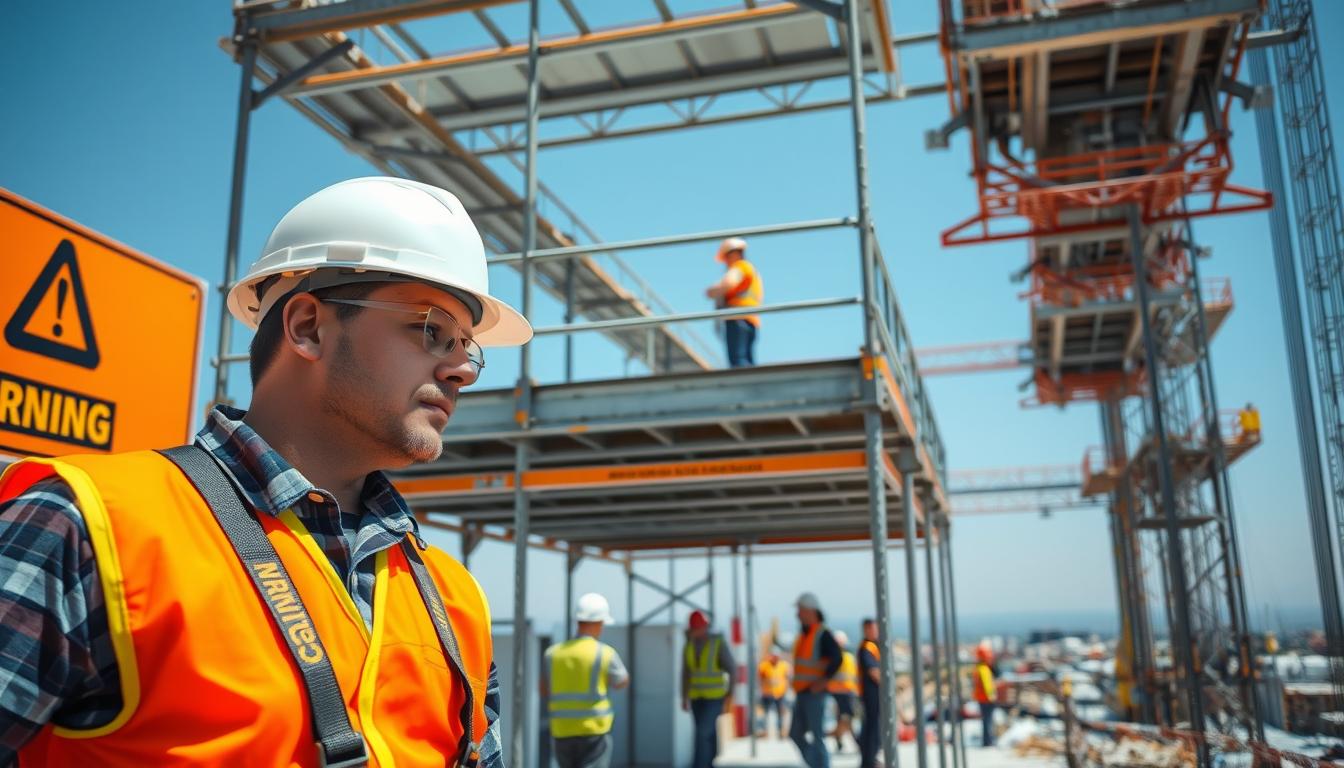
Business projects have stricter rules for scaffolding and fall protection because of their size and complexity. Following OSHA rules is a must, including checking scaffolding and safety gear often.
Inspecting Fall Protection Systems
It’s vital to check fall protection systems often. This makes sure they work well and are in good shape.
Temporary Guardrail and Barrier Systems
Temporary guardrails and barriers are key for keeping workers safe from falls. They must be set up right and checked often to meet safety standards.
If you’re worried about your construction project’s safety, get help. “Your safety is our priority,” we always say. Call us at (727)-625-1374 or email contact@mail.wsvgroup.com for help.
Electrical and Fire Safety on Construction Sites
Electrical and fire safety are key on construction sites. They need careful planning and keeping the site clean. Property owners and contractors must take several steps to ensure a safe work area.
Temporary Electrical Safety Measures
Temporary electrical systems must be set up and checked regularly. This prevents electrical shocks and fires. Using ground fault circuit interrupters (GFCIs) and keeping electrical gear in good shape is important. Regular checks help spot and fix hazards.
Fire Prevention and Response Planning
Fire prevention is vital on construction sites. Flammable materials and hot work are common. A detailed fire plan, regular drills, and fire extinguishers are essential. Storing flammable materials properly and keeping escape routes clear are also key.
Special Considerations for Existing Structures
Working on existing buildings needs extra safety steps. Hidden dangers like asbestos or old electrical systems are possible. Doing thorough risk assessments and setting up specific safety plans is crucial.
Hot Work Permits and Procedures
Hot work, like welding, needs special permits and steps for safety. This includes having a fire watch, using the right PPE, and keeping the area free of flammable stuff.
| Safety Measure | Description | Responsibility |
|---|---|---|
| GFCI Installation | Ground fault circuit interrupters to prevent electrical shocks | Electrical Contractor |
| Fire Extinguishers | Accessible fire extinguishers for emergency response | Site Manager |
| Hot Work Permits | Permits and safety procedures for hot work activities | Project Manager |
If you’re having trouble with your construction project, get help. Call us at (727)-625-1374 or email contact@mail.wsvgroup.com for support.
Equipment and Tool Safety Standards
Keeping equipment and tools safe is key to avoiding accidents on construction sites. As a property owner, knowing and following these standards is crucial. It helps create a safe place for everyone to work.
Proper Tool Maintenance and Inspection
It’s important to regularly check and maintain tools and equipment. Look for any damage, wear, or issues. Make sure everything is working right and is calibrated correctly.
Heavy Equipment Safety on Residential Properties
Heavy equipment safety on homes means trained operators and regular checks. Adding safety features like backup alarms and lights can also help avoid accidents.
Commercial Equipment Safety Protocols
Commercial projects need stricter safety rules. This includes detailed safety plans and regular checks.
Operator Certification Requirements
Heavy equipment operators must be certified. They need training in safe use and emergency actions.
| Safety Protocol | Residential | Commercial |
|---|---|---|
| Operator Training | Recommended | Mandatory |
| Equipment Inspection | Regular | Regular & Audited |
| Safety Plans | Basic | Detailed |
If you’re having trouble with your construction project, get help. Call us at (727)-625-1374 or email contact@mail.wsvgroup.com.
Monitoring and Enforcing Safety Compliance
As a property owner, keeping your construction site safe is crucial. This means following a few key steps to keep everyone safe and follow the rules.
Regular Safety Inspections and Audits
It’s important to check your site regularly for safety risks. These checks should be done by experts who can spot problems and fix them.
- Schedule regular inspections
- Train inspection personnel
- Document findings and corrective actions
Addressing Safety Violations Effectively
If you find safety issues, you must fix them quickly. It’s important to find out why the problem happened and make sure it doesn’t happen again.
Documentation and Record-Keeping
Keeping detailed records of safety checks and fixes is key. It shows you’re following the rules and helps you see if your safety plan is working.
Using Technology for Safety Monitoring
Technology can make keeping your site safe easier. Apps and software can help with inspections, reporting problems, and keeping records.
| Technology | Benefits |
|---|---|
| Digital Inspection Apps | Streamline inspection process, reduce paperwork, and improve accuracy |
| Safety Management Software | Centralize safety data, track violations, and analyze safety performance |
If you want to make sure your site is safe, or if you’re having trouble with your project, we can help. Your property is a big investment, and we’re here to support you. Call us at (727)-625-1374 or email contact@mail.wsvgroup.com for expert advice.
Conclusion: Ensuring a Safe and Successful Construction Project
Keeping a construction site safe is key to a project’s success. By knowing and using construction safety rules and following OSHA basics, you can avoid accidents. This also helps lower risks and meet legal standards.
As a property owner, setting clear safety rules is vital. This means clearly stating safety needs in contracts. Also, hold safety meetings before starting work and check that safety rules are followed.
By following the advice in this article, you can make a safe work place for construction workers. This reduces the chance of injuries and lawsuits. If you’re facing problems with your project or need help with safety, get professional help.
You can call us at (727)-625-1374 or email at contact@mail.wsvgroup.com for support.