
Are you torn between fixing that old appliance or getting a new one? You’re not alone. Many homeowners face this choice every day. It can be tough to decide what’s best.
Choosing the wrong option can waste your money and cause stress. But picking the right one can save you time and money later. It’s key to look at your home’s condition and think about the costs of fixing versus buying new.
If your home is giving you trouble, get help from a pro. Call us at (727)-625-1374 or email contact@mail.wsvgroup.com. We can help you make the best choice for your home.
Key Takeaways
- Check your home’s condition before deciding.
- Think about the costs of fixing versus buying new.
- Consider the long-term benefits of your choice.
- Get professional advice when needed.
- Make smart choices to save time and money.
The Cost-Benefit Analysis of Repair vs. Replace
Deciding between repair and replacement is crucial. It helps you avoid costly errors. Knowing the financial impact is key when your home’s systems fail.
How to Calculate Initial Costs vs. Long-Term Savings
First, figure out the upfront costs of repair or replacement. This includes parts, labor, and extra expenses. Then, think about long-term savings. For example, a new, energy-efficient system could lower your utility bills.
Let’s say you’re choosing between fixing your old HVAC or getting a new one. Repair costs $500, but a new system is $3,000. Yet, the new system could save you $200 a year on bills.
Applying the 50% Rule to Your Decision
The 50% rule is a helpful guide. If repair costs more than 50% of a new system’s price, replace it. For instance, if a new system is $3,000 and repair is $1,800, replace it.
Step-by-Step ROI Calculation for Both Options
Calculating ROI for repair and replacement helps you decide. Here’s a table to show how:
| Option | Initial Cost | Annual Savings | Payback Period |
|---|---|---|---|
| Repair | $500 | $0 | N/A |
| Replace | $3,000 | $200 | 15 years |
By looking at ROI, you can choose wisely. Still unsure? Get expert advice. Your Home causing you Trouble? Call us at (727)-625-1374 or email contact@mail.wsvgroup.com for help.
Age and Expected Lifespan: Key Decision Factors
Knowing the age and lifespan of your home’s parts is key. It helps you decide when to fix or replace them. This way, you can plan ahead for any failures.
Reference Guide: Average Lifespans of Common Home Components
Home parts last different lengths of time. For example, HVAC systems usually last 15-20 years. Roofing can last 20-30 years. Here’s a quick guide:
- HVAC Systems: 15-20 years
- Roofing: 20-30 years
- Water Heaters: 8-12 years
- Pipes: 20-50 years depending on material
How to Determine When Age Makes Replacement Inevitable
If a part is getting old or has already passed its average lifespan, it might need to be replaced. Frequent repairs often mean it’s time for a new one.
Maintenance Strategies to Extend Useful Life
Regular upkeep can make your home parts last longer. For example, changing HVAC filters and checking roofs for damage can help. Try to get annual checks for important systems.
Having trouble with your home’s aging parts? Call us at (727)-625-1374 or email contact@mail.wsvgroup.com for expert advice.
Energy Efficiency Considerations
When deciding between fixing or replacing your equipment, think about energy efficiency. New systems, like HVAC and appliances, use less energy. This means lower bills and less harm to the environment.
Calculating Potential Energy Savings
To see how much energy you could save, compare your current system with new ones. Check the Seasonal Energy Efficiency Ratio (SEER) for HVAC or the Energy Star rating for appliances. A higher number means better efficiency.
For example, a new HVAC system with a higher SEER rating can cut cooling costs by up to 30%. The U.S. Department of Energy says Energy Star appliances can save $200 to $400 a year.
Prioritizing Efficiency Over Initial Cost
New, efficient equipment might cost more upfront. But the long-term savings can make it worth it. Think about how long it takes for the savings to pay back the initial cost.
“Investing in energy-efficient solutions not only reduces your utility bills but also contributes to a more sustainable future.”
Guide to Available Tax Credits and Rebates for 2023-2024
Both the federal and state governments offer help for energy-efficient upgrades. For 2023-2024, homeowners can get up to 30% in tax credits for certain upgrades.
| Incentive Type | Description | Maximum Benefit |
|---|---|---|
| Federal Tax Credit | 30% credit for qualifying energy-efficient upgrades | $1,200 |
| State Rebates | Varies by state for energy-efficient appliances and HVAC | $500-$1,000 |
| Utility Company Rebates | Rebates for energy-efficient equipment | $100-$500 |
If your home is giving you trouble, don’t wait. Call the pros. Call us at (727)-625-1374 or email contact@mail.wsvgroup.com for help.
Safety and Reliability Concerns
Safety and reliability are key when deciding to repair or replace something in your home. It’s important to think about the safety of your choice.
Identifying Non-Negotiable Safety Issues
Some safety problems need to be fixed right away. For example, roofing issues can be very dangerous. They can cause structural damage and even collapses. Look for signs like:
- Cracks or big damage to structural parts
- Old or broken safety gear
- Things that could cause accidents or hurt someone
How to Evaluate Future Reliability After Repairs
After finding safety problems, it’s important to check if a repair will last. Think about:
- The age and state of the part
- The quality of the fix
- If it might break again soon
With these points, you can decide if a fix will work or if you should replace it.
Creating a Risk Assessment for Your Specific Situation
Doing a risk assessment means looking at the dangers of fixing or replacing something. Think about:
- How likely it is to break again
- Any safety risks
- How it affects your home’s dependability
This will help you choose the safest and most reliable option for your home.
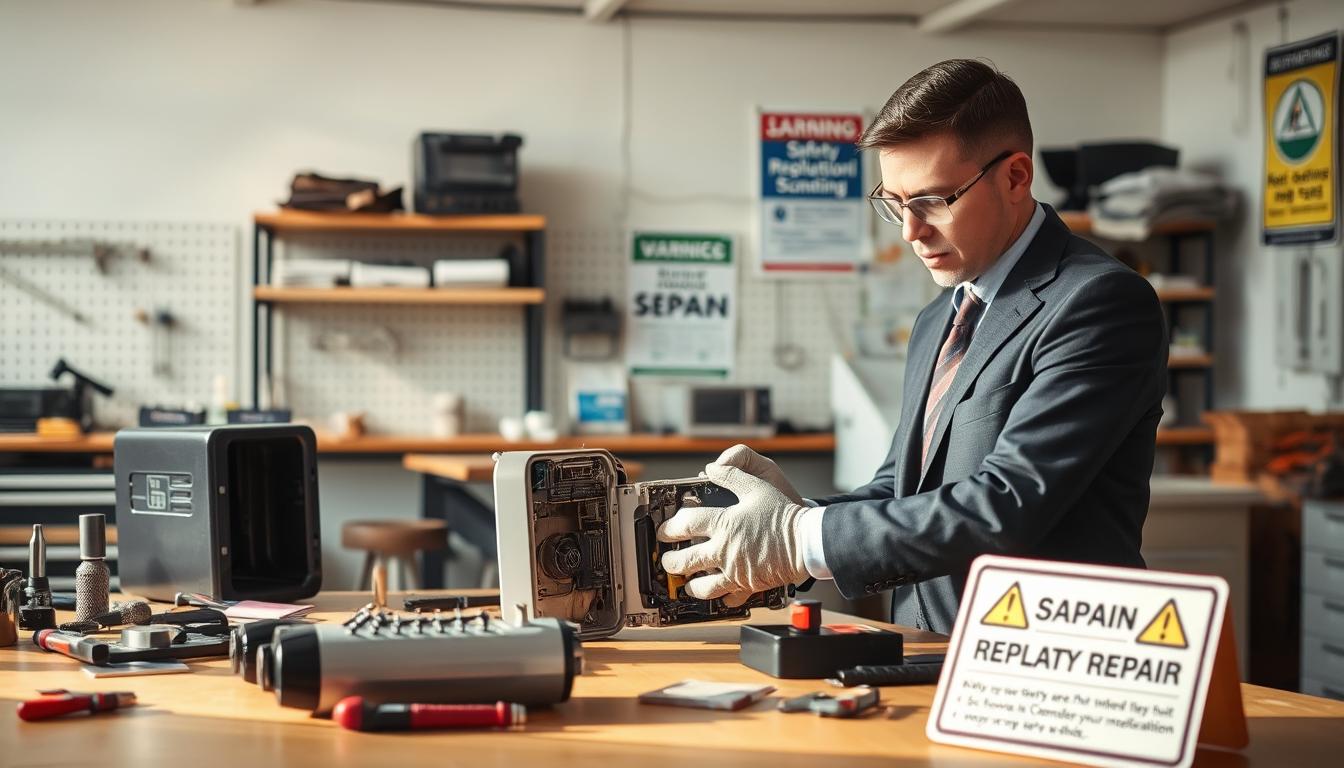
If you’re not sure what to do, get help from a pro. For advice, call us at (727)-625-1374 or email contact@mail.wsvgroup.com.
Help Owners Decide Between Repair and Replace with Logic
Homeowners often face the tough choice between fixing or replacing something. It’s important to think it through carefully. You need to look at several key points.
Step 1: Gather All Relevant Information
First, learn as much as you can about the item or system in question. Know its age, upkeep history, and current shape. Also, get quotes from contractors for both fixing and replacing it.
Step 2: Create a Weighted Decision Matrix
A decision matrix makes it easier to compare different factors. List your criteria, like cost and energy efficiency, and give them weights. Then, score each option against these criteria. This way, you can make a more informed choice.
Step 3: Consider Timeline and Future Plans
Think about your future plans. How long you’ll stay in your home and how your needs might change.
Short-term vs. Long-term Ownership Considerations
If you’re selling soon, how it affects your home’s value is key. Repairs might save money now, but replacements could pay off later.
How to Factor in Potential Property Value Impact
Look into how different choices impact your home’s value. Upgrades like energy-efficient HVAC systems can make your home more appealing and valuable.
If you’re feeling stuck, don’t hesitate to ask for help. Reach out to experts like those at WSV Group. Call (727)-625-1374 or email contact@mail.wsvgroup.com for advice that fits your situation.
Roofing: Repair or Replace Decision Guide
Deciding whether to repair or replace your roof depends on several factors. These include the damage’s extent and the roof’s age. Knowing these factors is key to making a choice that fits your needs and budget.
How to Assess Roof Damage Accurately
Start by checking your roof for missing, damaged, or loose shingles. Also, inspect areas around chimneys, vents, and skylights for wear. Look for water stains on ceilings and walls as they can show leaks. If unsure, consider getting a professional roof evaluation.
When Partial Repairs Make Sense vs. Full Replacement
Partial repairs work when damage is limited and doesn’t harm your roof’s structure. But, if damage is widespread or your roof is old, replacement might be cheaper in the long run.
Material Selection Guide for Different Situations
The right roofing material depends on your climate, budget, and preferences. For example, metal roofing is great for areas with lots of rain or extreme weather.
Cost vs. Longevity Comparison Chart
| Material | Cost per Sq Ft | Average Lifespan |
|---|---|---|
| Asphalt Shingles | $3-$5 | 20-30 years |
| Metal Roofing | $7-$12 | 30-50 years |
| Clay Tiles | $10-$15 | 50-100 years |
Climate-Specific Recommendations
In snowy areas, choose materials that can handle heavy snow. For hot places, reflective roofing can lower cooling costs. Always talk to a local expert to find the best material for your climate.
Stuck on what to do about your roof? Don’t hesitate to ask for professional advice. Your home’s well-being is important. Call us at (727)-625-1374 or email contact@mail.wsvgroup.com for help.
HVAC Systems: Making the Logical Choice
As your HVAC system gets older, it’s time to check its condition. A good HVAC system keeps your home comfy and saves energy.
Diagnosing Common HVAC Issues and Their Solutions
Problems with HVAC systems include not heating or cooling right, strange noises, and high energy bills. Spotting these issues early helps you choose between fixing or replacing it. For example, odd noises might mean it’s time for new parts.
Signs It’s Time to Upgrade Your System
If your HVAC is over 15 years old, it might be time for a new one. Look out for frequent breakdowns, high energy bills, and poor temperature control. A newer system can save you money and work better.
How to Handle Compatibility Issues with Existing Components
When you replace your HVAC, make sure it works with your current parts. This means checking the SEER rating and ductwork compatibility.
SEER Ratings and What They Mean for Your Decision
The SEER rating shows how efficient your HVAC is. A higher SEER means better energy use. When picking a new system, think about the SEER and how it will affect your bills.
Modern Features Worth the Investment
New HVAC systems have cool features like smart thermostats and zoning systems. These can make your home more comfortable and efficient, making them a good choice for an upgrade.
| Feature | Benefit |
|---|---|
| Smart Thermostats | Optimizes temperature control and energy savings |
| Zoning Systems | Allows for customized heating and cooling in different areas |
Having HVAC trouble or unsure what to do? Get expert advice. Your Home causing you Trouble? Call us at (727)-625-1374 or email contact@mail.wsvgroup.com for help.
Commercial Building Maintenance: Special Considerations
Effective commercial building maintenance needs a detailed plan. This includes financial planning and following rules. As a property owner, you must think about many factors that affect your business’s success.
How to Calculate Business Disruption Costs
It’s key to figure out the costs of stopping work for maintenance or repairs. These costs include lost money, moving expenses, and less productivity.
- Estimate the daily revenue impact of disrupted operations
- Consider the costs of temporary relocation or alternative arrangements
- Factor in potential losses in productivity and employee morale
For example, if your business makes $10,000 a day, a 5-day stop could cost $50,000. Knowing these costs helps you decide to fix or replace things.

Navigating Code Compliance Requirements
Keeping up with building codes is a big part of maintenance. Making sure repairs or replacements follow local codes is important. This avoids fines and lawsuits.
Key considerations include:
- Reviewing local building codes and regulations
- Consulting with local authorities or experts to ensure compliance
- Documenting all work to demonstrate adherence to codes
Tax Strategies for Major Commercial Replacements
Big replacements can affect your taxes a lot. Knowing tax strategies helps you save money and get more from your investment.
Some tax strategies to think about include:
- Depreciation deductions for replaced assets
- Potential tax credits for energy-efficient upgrades
- Section 179 deductions for qualifying equipment and property
If you’re planning a big replacement, talk to a tax expert. They can help you save money. For more help with your maintenance needs, call us at (727)-625-1374 or email contact@mail.wsvgroup.com.
Financing Options for Major Replacements
Major home replacements can be expensive. But, there are financing options to help. Knowing how to finance these costs is key.
Comparing Home Equity Loans vs. Specialized Financing
Home equity loans and specialized financing are common for funding replacements. Home equity loans let you borrow against your home’s value, often at a lower rate. Specialized financing for things like HVAC or roofing might offer better rates and terms.
| Financing Option | Interest Rate | Repayment Terms |
|---|---|---|
| Home Equity Loan | 3.5% – 6% | 5 – 15 years |
| Specialized Financing | 4% – 8% | 5 – 10 years |
How to Negotiate with Contractors for Better Terms
Talking to contractors can get you better deals, especially for big projects. Get several quotes and discuss financing with your contractor. Some contractors work with financing companies for easier access.
Creating a Replacement Fund: Planning Ahead
Creating a replacement fund is a smart move. Save a bit each month for future replacements. This way, you avoid high-interest loans when emergencies come up.
If you’re dealing with home repairs or replacements, call us at (727)-625-1374 or email contact@mail.wsvgroup.com. We’re here to help.
Conclusion: Making a Decision You Won’t Regret
When deciding whether to repair or replace, making a good choice is key. Look at the costs, the age and life span of the item, and its energy use and safety. This helps you make a smart choice.
Whether it’s a leaky roof or an old HVAC system, this article has your back. Follow the steps to figure out what’s best for you. Think about your situation, get the right info, and use a decision matrix to guide you.
If you’re still unsure or need help, don’t worry. You can call us at (727)-625-1374 or email at contact@mail.wsvgroup.com. We’ll give you expert advice that fits your needs.