Are subcontractors getting the right help to thrive in the complex world of commercial contracting? The construction industry can be tough to navigate. But, the right mentor can make a huge difference.
Looking for a mentor is crucial for subcontractors. Effective mentorship can greatly shape a subcontractor’s career. With the right guidance, they can face challenges head-on and reach their goals faster.
We will dive into the world of mentorship and its benefits. Subcontractors will learn what to look for in a mentor. They will also understand how to build a successful mentorship.
Key Takeaways
- Understanding the importance of mentorship for subcontractors
- Identifying key qualities in a mentor for success
- Establishing a successful mentorship
- Navigating the complexities of the construction industry
- Leveraging mentorship for career advancement
The Current Landscape of Mentorship in the Construction Industry
The construction industry has seen a big change towards formal mentorship programs. This shows the industry now values guidance and support for subcontractors. Mentorship is key for the growth of professionals in construction.
Evolution of Mentorship Programs in Construction
Mentorship programs in construction have changed a lot. They used to be informal, based on personal connections. Now, they are structured, with many organizations offering formal programs. This change helps subcontractors get the tools and knowledge they need to succeed.
Modern mentorship programs have some key features:
- Structured training and development plans
- Regular feedback and performance reviews
- Access to industry events and networking opportunities
Statistical Benefits of Mentored Subcontractors
Studies show mentored subcontractors do better in business and are happier at work. Some important stats include:
| Benefit | Percentage Improvement |
|---|---|
| Business Growth | 25% |
| Job Satisfaction | 30% |
| Professional Development | 40% |
These numbers show how mentorship helps subcontractors. They highlight the importance of having a mentor in construction.
Why Subcontractors Need Mentorship from Established General Contractors
Subcontractors face many challenges in the construction world. A mentor from a big general contractor can be very helpful. They often lack experience in some areas, which makes it hard to grow and succeed.
The Knowledge Gap in Construction Business Operations
Subcontractors struggle with knowing how to run their business. They are great at technical skills but need help with business stuff. A mentor can teach them about money management, marketing, and how to work better.
For example, learning to manage money, negotiate contracts, and use resources well can really help. It can make a big difference in how much money they make.
| Business Operation | Challenge | Mentor’s Guidance |
|---|---|---|
| Financial Management | Cash flow management | Budgeting and forecasting |
| Contract Negotiation | Understanding contract terms | Negotiation strategies |
| Resource Allocation | Optimizing resource use | Efficient allocation techniques |
Navigating Complex Project Requirements
Handling complex projects is another big challenge for subcontractors. Projects have many details, tight deadlines, and lots of people involved. It’s hard to finish on time and within budget.
A mentor can help with planning, managing teams, and checking quality. They can teach how to manage schedules, work with other contractors, and follow project rules.
Understanding the value of mentorship is a big step for subcontractors. It helps them find a mentor to guide them through the construction world. This can improve their business operations a lot.
The Benefits of Finding a Mentor in the Construction Field
Finding a mentor in construction can change a subcontractor’s game. A mentor offers guidance, support, and insights. These can help navigate the construction field’s complexities.
A mentor opens doors to new business chances. They teach how to make the most of these opportunities. Here’s how a mentor can help grow a business:
- Identifying new market trends and opportunities
- Developing strategies for expanding services
- Improving operational efficiency
Business Growth Opportunities
A mentor can spot growth areas and plan strategies. They use their experience and network to introduce new clients and projects. This can lead to partnerships.
For example, a mentor might share their success in new markets or services. This offers valuable lessons for the subcontractor.
Risk Mitigation Through Experienced Guidance
Construction projects have big risks, like regulatory issues and project management. A mentor can help manage these risks. They share their experiences and best practices.
By learning from a mentor, subcontractors can avoid common mistakes. They can develop strategies to keep projects on track and within budget.
How to Find a Mentor in the Construction Industry for Subcontractors
Finding the right mentor can change a subcontractor’s career. We’ll look at ways to find mentors who can guide and support you.
Researching Track Records and Reputation
It’s key to check a mentor’s past work and reputation. Look for general contractors with a good track record and many professional connections. A mentor matching platform can help find experienced mentors.
Networking Strategies at Industry Events
Industry events are great for meeting mentors. They offer chances to connect and learn about construction mentorship opportunities. Talking and sharing experiences can build a strong relationship with mentors.
| Mentorship Strategies | Benefits |
|---|---|
| Researching Potential Mentors | Identify experienced professionals with a successful track record |
| Networking at Industry Events | Establish connections with potential mentors and learn about new opportunities |
Quality #1: Proven Track Record of Success and Stability
When looking for a mentor, it’s important to find someone with a solid track record. Subcontractors should check the big general contractor’s past projects and their ability to stay stable.
Financial Stability Indicators to Look For
Financial stability is key for a big general contractor to succeed. Look for years in business, project consistency, credit rating, and bonding capacity.
Years in Business and Project Consistency
A contractor with a long history shows reliability and experience. Years in business mean they can handle economic ups and downs. Consistent project delivery shows they can manage projects well.
Credit Rating and Bonding Capacity
A good credit rating shows a contractor’s financial health. Bonding capacity ensures they can finish projects as promised.
Project Portfolio Diversity and Excellence
A diverse and excellent project portfolio is crucial. It includes projects from various sectors and industry recognition.
Completed Projects Across Various Sectors
A contractor with experience in many sectors shows versatility. This is great for subcontractors wanting to grow their business.
Awards and Industry Recognition
Awards and industry recognition show a contractor’s excellence. These honors highlight their commitment to quality and innovation.
In summary, subcontractors should look for big general contractors with a strong track record. This includes financial stability and a diverse, excellent project portfolio.
Quality #2: Commitment to Transparent Communication and Knowledge Sharing
In the construction world, a mentor’s open communication and sharing of knowledge are key. A good mentor creates a space where information flows freely. This way, both parties can grow from the relationship.
Open-Book Management Approach
An open-book management style is vital for clear communication. It means sharing financial details, project plans, and other important data with the subcontractor.
Regular Project Updates and Documentation
Keeping subcontractors updated on project progress is crucial. This includes sharing details on project specifications, timelines, and budgets. It helps them adapt to changes and challenges.
Inclusion in Planning and Decision-Making
Inviting subcontractors into planning and decision-making is important. It ensures their expertise is used and they’re ready for challenges. This teamwork leads to more efficient projects and better results.
Regular Feedback and Performance Reviews
Regular feedback is key for subcontractor growth. Constructive criticism and performance reviews help spot areas for improvement. They guide subcontractors on their professional journey.
Constructive Criticism Processes
A mentor should have a clear, timely, and focused criticism process. It should focus on behavior, not personality. This helps subcontractors understand their strengths and weaknesses.
Growth-Oriented Evaluation Systems
Evaluation systems should aim for growth. They should set realistic goals, identify training needs, and plan for improvement. This ensures subcontractors keep learning and getting better.

Mentors who focus on open communication and knowledge sharing help subcontractors succeed. Their commitment to openness and teamwork is what makes mentorship in construction effective.
Quality #3: Fair Payment Practices and Financial Guidance
Finding the right mentor is key for subcontractors. They can offer insights into fair payments and financial management. In the construction world, where money matters a lot, a mentor’s financial know-how can change the game.
Prompt Payment History
A mentor who pays on time is crucial. It shows they’re financially stable and value their subcontractors.
Payment Terms and Schedules
Clear payment terms are essential. A mentor with good payment processes can teach subcontractors how to set up their own. This helps avoid payment disputes.
Dispute Resolution Processes
Disputes can still happen, even with clear payment terms. A mentor with a plan for resolving disputes can teach valuable lessons. This helps keep financial losses low.
Financial Planning and Cash Flow Management Advice
A good mentor also guides on financial planning and managing cash flow. They help with budgeting, forecasting, and finding financial tools.
Budgeting and Forecasting Support
A mentor can teach subcontractors to budget and forecast well. This prepares them for financial challenges.
Access to Financial Resources and Tools
Additionally, a mentor can connect subcontractors with financial resources and tools. This boosts their ability to manage cash flow.
By focusing on these areas, subcontractors can find a mentor who supports their financial health. This mentorship is key to their success in construction.
“A good mentor can make a significant difference in a subcontractor’s ability to manage finances and navigate the complexities of the construction industry.”
Quality #4: Investment in Technology and Innovation
In today’s fast-paced construction world, a mentor’s tech savvy is key for subcontractors. Having a mentor who keeps up with new tech can really boost your business. It makes you more competitive.
Digital Tools for Project Management
A mentor who uses digital tools for managing projects can share valuable tips. This includes:
BIM and 3D Modeling Capabilities
Building Information Modeling (BIM) and 3D modeling are must-haves for modern building projects. They help plan better, cut down on mistakes, and make teamwork smoother.
Cloud-Based Collaboration Platforms
Cloud-based platforms help teams talk and share info in real time. This keeps everyone in sync, making projects run smoother and avoiding mix-ups.
Training Opportunities for New Construction Technologies
A great mentor should also offer chances to learn new tech. This can include:
Formal Training Programs and Workshops
Structured learning through programs and workshops lets subcontractors get hands-on with new tech. It’s a great way to learn.
On-the-Job Technology Implementation
Using new tech on actual projects helps subcontractors apply what they’ve learned. It makes their skills better and improves project results.
| Technology | Benefits | Training Methods |
|---|---|---|
| BIM and 3D Modeling | Precise planning, reduced errors | Formal training, on-the-job implementation |
| Cloud-Based Collaboration | Real-time communication, enhanced teamwork | Workshops, on-the-job training |
By picking a mentor who values tech and innovation, subcontractors can stand out in the construction field. They get to learn from a mentor who helps improve their business.
Quality #5: Strong Industry Relationships and Networking Opportunities
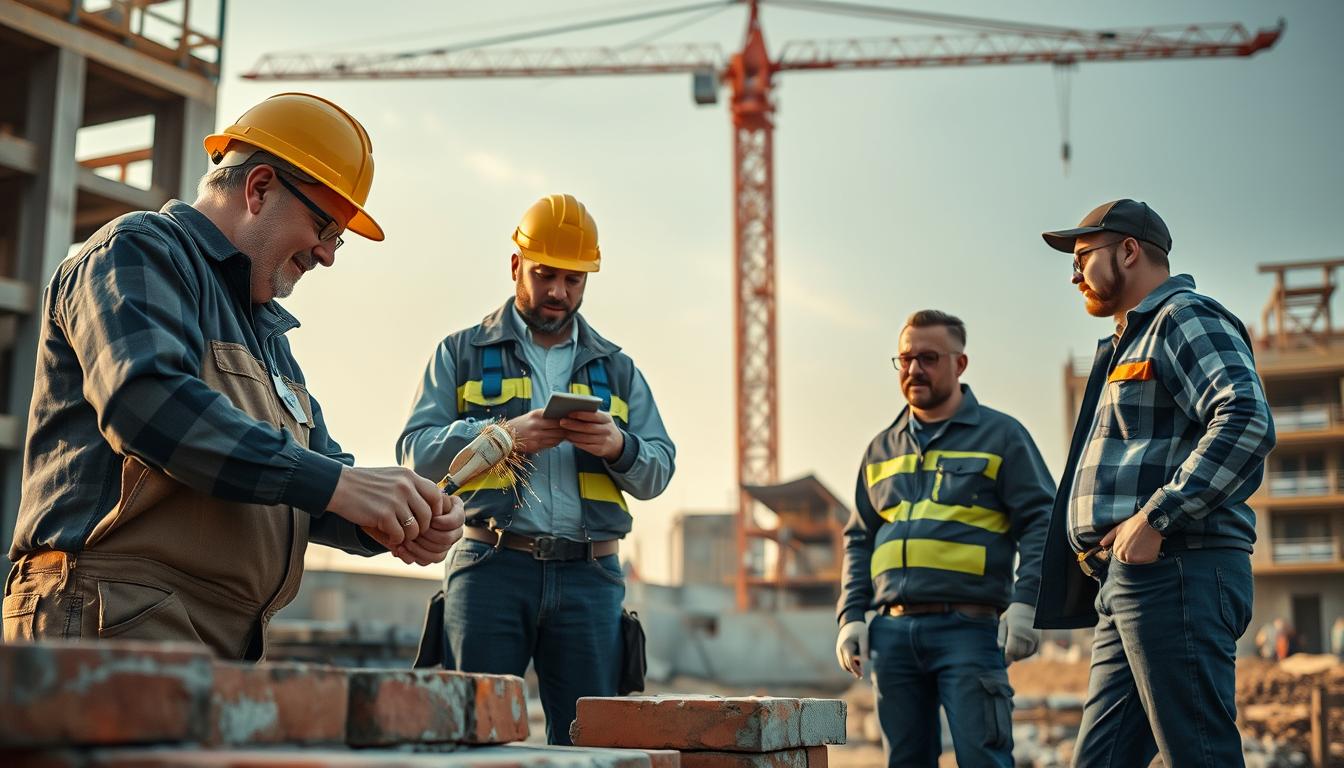
Subcontractors looking for mentorship should find mentors with strong industry connections. A mentor with good connections can open doors to more projects and valuable contacts.
Access to a Broader Network of Professionals
A mentor with a wide network can introduce subcontractors to many industry professionals. This can lead to new partnerships and business chances. It’s a great way for subcontractors to grow their business.
Introduction to Industry Associations
Being in industry associations can give subcontractors access to training, resources, and networking events. A mentor who’s active in these groups can help get them involved. This helps subcontractors become part of the industry community.
Participation in Joint Ventures
Joint ventures can help subcontractors take on bigger projects and work with other companies. A mentor with experience in joint ventures can guide them in finding and pursuing these opportunities.
Introductions to Key Decision Makers and Potential Clients
A mentor with strong connections can also introduce subcontractors to important decision-makers and potential clients. This is very helpful for subcontractors wanting to get new contracts or grow their client list.
Referral Systems and Testimonials
A mentor with a good reputation can give subcontractors referrals and testimonials. This helps establish credibility with potential clients. It’s especially useful for new subcontractors trying to build their reputation.
Co-Marketing Opportunities
Working with a mentor on marketing can help subcontractors reach more people. This can lead to new business chances. By using the mentor’s brand and network, subcontractors can boost their marketing.
By choosing mentors with strong industry connections, subcontractors can stand out in the construction field. Using a mentor matching platform can help find these mentors. It opens up construction mentorship opportunities that might be hard to find otherwise.
Establishing Formal Mentorship with a Big General Contractor in the Construction Industry
Getting a formal mentorship from a top general contractor can really help subcontractors grow. This partnership offers leadership development chances. It helps them deal with the construction world’s challenges better.
To start this mentorship right, you need to do two key things:
Creating Mutually Beneficial Agreements
A good mentorship starts with an agreement that works for both sides. This deal should clearly say what each person’s role is. It makes sure the mentorship helps both the subcontractor and the general contractor.
Setting Clear Goals and Expectations
It’s important to set clear goals and what’s expected. This way, subcontractors can work towards real goals. For example, they might want to get better at managing projects or meet new people through the general contractor’s network.
Overcoming Challenges in Finding a Mentor General Contractor
Finding a good mentor general contractor is tough for subcontractors. The construction industry is very competitive. It’s key to find someone who can offer valuable advice and support.
Addressing Competition Concerns
One big challenge is dealing with competition worries. Subcontractors might be scared to reach out to mentors because of this. But, a great mentor can help by giving strategic guidance and industry insights.
Building Trust in a Competitive Industry
Building trust is hard too. Subcontractors must connect with mentors based on mutual benefit and shared goals. This way, they can create a helpful mentorship that works for both.
Conclusion: Transforming Your Subcontracting Business Through Strategic Mentorship
Finding a mentor can change a subcontractor’s business for the better. Knowing what to look for in a mentor is key. This helps in growing the business and managing risks.
A good mentor has a track record of success and is open in communication. They also pay fairly, invest in technology, and have strong industry connections. Following this advice can help subcontractors grow their businesses.
To find a mentor, subcontractors should look for potential mentors and network at events. They should also make agreements that benefit both parties. This way, they can face challenges and build trust in a tough industry. We urge subcontractors to look for mentorship and build a stronger business.