
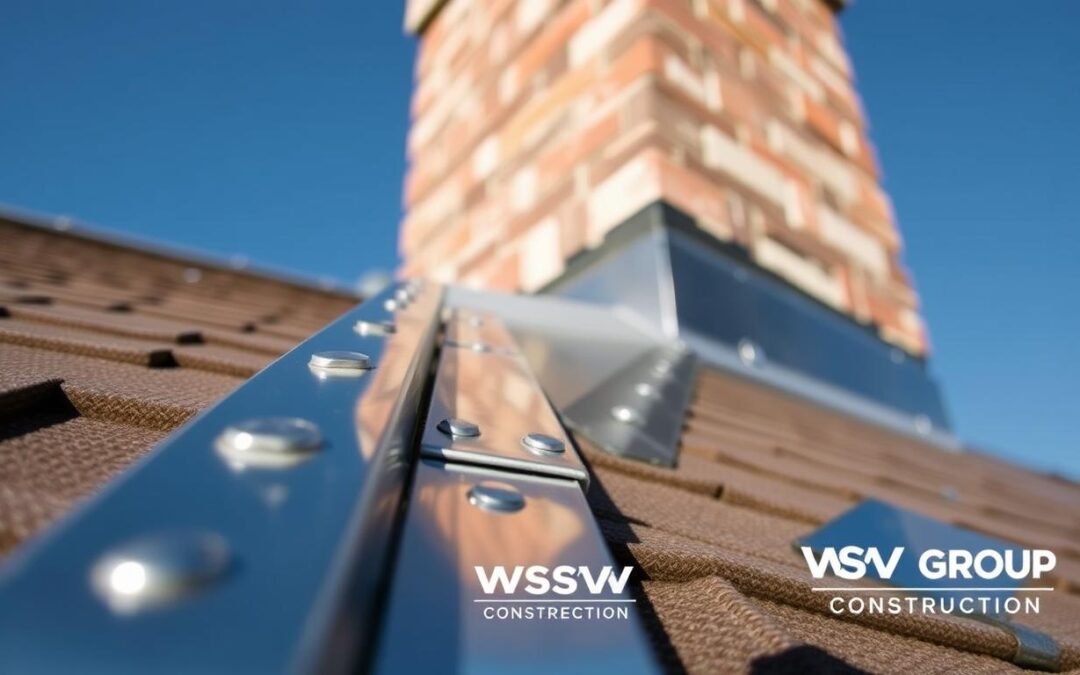
Are you dealing with mysterious water damage at home? You’re not alone. Many homeowners struggle with roof leaks that seem to come out of nowhere. But, most leaks aren’t random; they’re often caused by flashing failure.
Flashing is key to keeping water out, especially around chimneys and vents. If it’s not installed right or gets damaged, big problems can happen. If your roof is leaking, check your flashing first.
At WSV Group, we know how important it is to fix these issues fast. If your home is giving you trouble, call us at (727)-625-1374 or email contact@mail.wsvgroup.com.
Key Takeaways
- Most roof leaks are not random and are often caused by flashing problems.
- Flashing failure is a common issue that can lead to significant water damage.
- Inspecting and maintaining your flashing is crucial to preventing leaks.
- Chimney flashing is particularly prone to failure if not properly installed.
- Prompt action is necessary to address roof leaks and prevent further damage.
Understanding Roof Leaks
Knowing why roof leaks happen is key to keeping your home safe. Leaks can cause big problems like mold, wood rot, and damage to electrical systems. Finding out where leaks come from helps fix them right.
What Causes Roof Leaks?
Many things can cause roof leaks. For example, damaged or missing shingles, bad flashing, and weather damage. High winds can knock off shingles, and heavy rain can wear down flashing and sealants.
Step flashing is especially important. It helps keep water out around chimneys, vents, and skylights.
Other reasons for leaks include clogged gutters, ice dams, and bad roof ventilation. Keeping your roof in good shape is crucial. Make sure flashing and sealants are working well.
How Flashing Plays a Role in Roof Integrity
Flashing is a key part of your roof. It keeps water away from important areas. Properly installed flashing stops water from getting into your home. But, over time, it can wear out and cause leaks.
It’s important to check and maintain flashing regularly. Look for damage, rust, or corrosion. Also, make sure sealants around the flashing are still good.
The Importance of Roof Flashing
Knowing about roof flashing can save you from expensive repairs later. Flashing is key to your roof, keeping water away from important spots. Without it, water can get into your home, damaging ceilings, walls, and foundations.
Definition of Flashing
Flashing is the material that seals and protects your roof’s joints and holes. It’s usually thin metal, like aluminum or galvanized steel. It’s placed around chimneys, vents, skylights, and other roof openings. Its main job is to keep water out by making a tight seal around these weak spots.
Common Types of Roof Flashing
There are many types of flashing for roofs, each for different needs. Here are a few common ones:
- Chimney Flashing: This goes around chimneys to stop water from getting in the gap between the chimney and the roof.
- Step Flashing: It’s for sloped roofs where the roof meets a vertical surface, like a wall or chimney.
- Vent Pipe Flashing: This seals around vent pipes that stick out through the roof.
Why Flashing Is Crucial for Your Roof
Flashing is vital because it guards the most exposed parts of your roof from water harm. Good flashing makes sure water flows off the roof without getting in. This stops leaks and helps avoid structural damage over time. By understanding flashing’s role and making sure it’s installed and kept right, you can make your roof last longer.
Identifying Flashing Issues
Spotting flashing problems is key to keeping your roof in good shape. If flashing fails, it can cause leaks. These leaks can harm your home if not fixed quickly.
Signs of Flashing Damage
To spot flashing issues, you need to know what to look for. Common signs include:
- Rust or corrosion on the flashing material
- Gaps or cracks around roof penetrations such as chimneys, vents, and skylights
- Loose or missing flashing
- Water stains or leaks in the attic or ceiling
Regular inspections can help you catch these issues early, preventing more extensive damage.
Where to Inspect for Flashing Problems
Knowing where to inspect is just as important as knowing what to look for. Key areas to check include:
- Chimneys: Ensure the flashing around chimneys is secure and not damaged.
- Vents and Skylights: Check for gaps or cracks around these roof penetrations.
- Ridge and Hips: Inspect the flashing at the ridge and hips for signs of wear or damage.
It’s also a good idea to inspect your roof after severe weather conditions, as high winds and heavy rains can dislodge or damage flashing.
By understanding the signs of flashing damage and knowing where to inspect, you can effectively identify and address flashing issues before they lead to more significant problems.
Common Roof Leak Causes Related to Flashing
Flashing is a key part of your roof. If it’s not installed or maintained right, it can cause leaks. Problems with flashing around chimneys, vents, and skylights are common.
Improper Installation of Flashing
Improper installation of flashing is a big reason for leaks. If it’s not sealed or aligned right, water can get under the roof. Getting a pro to install it helps avoid this.
A roofing expert says, “Proper flashing installation is key. It’s not just about putting it there. It’s about doing it right to stop leaks.”
Deterioration Over Time
Flashing can wear out over time. Weather like heavy rain, snow, and extreme temperatures can damage it. Checking it often can catch problems before they cause leaks.
Flashing Corrosion and Its Impact
Corrosion is a big problem for metal flashing. It can make the flashing weak, letting water in. Using materials that don’t corrode and applying protective coatings can help.
To stop leaks from flashing, use good sealants and keep it in check. Regular maintenance can spot issues early and prevent big problems.
The Role of Environmental Factors
Environmental factors greatly affect how well roof flashing works. Weather conditions are especially important for keeping your roof’s flashing in good shape.
Weather Conditions That Affect Flashing
Weather like heavy rain, hail, and extreme temperatures can really impact your roof’s flashing. For example, lots of rain can put extra pressure on the seals and materials.
- Heavy Rain: Puts additional pressure on flashing seals and materials.
- Hail: Can cause physical damage to flashing, compromising its integrity.
- Extreme Temperatures: Can lead to material expansion and contraction, potentially causing cracks and leaks.
The Impact of Temperature Fluctuations
Temperature changes also play a big role in how roof flashing holds up. When temperatures go up and down, materials expand and contract. This can cause:
- Material Fatigue: Repeated expansion and contraction can weaken flashing materials over time.
- Crack Formation: Gaps and cracks can form, providing a pathway for water to penetrate.
- Sealant Failure: The seals around flashing can deteriorate, losing their effectiveness.
Knowing about these environmental factors is key to keeping your roof’s flashing in top shape and avoiding leaks.
How Poor Drainage Contributes to Roof Leaks
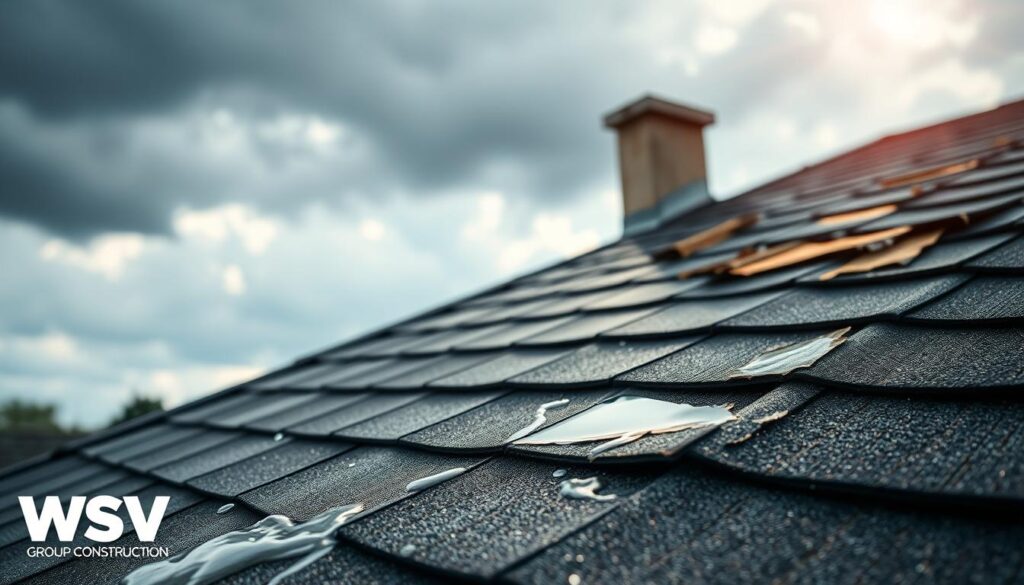
If your roof doesn’t drain well, you might get leaks from water buildup. This can harm your roof, especially the flashing, which keeps your roof strong.
Understanding How Water Accumulates
Water can gather on your roof for many reasons. This includes clogged gutters, not enough roof slope, or debris. When water can’t flow off, it pools, stressing your roof and flashing.
This water can leak under your roof and behind the flashing. It causes leaks and more damage. It’s important to check and maintain your roof’s drainage system often.
The Connection Between Drainage and Flashing
The health of your roof’s flashing depends on good drainage. Poor drainage can weaken or dislodge the flashing. This creates gaps where water can leak in.
Having a good drainage system and well-maintained flashing is key. Check your gutters and downspouts for debris and inspect the flashing for damage. This helps prevent leaks.
Knowing how drainage affects flashing helps you protect your roof. Regular maintenance and checks can spot and fix drainage problems early. This keeps your roof in good shape for longer.
Flashing Repair Options
You have two main choices for fixing flashing issues: DIY repairs or hiring a professional. The right choice depends on the damage’s extent, your comfort with heights, and your DIY skills.
DIY vs. Professional Repairs
DIY flashing repairs can save money for small damages. If you’re good at DIY and the damage is minor, you might fix it yourself with a repair kit. But, for big damage or if you’re not sure about fixing it, it’s best to get a pro.
Professional roofers have the skills and tools for complex repairs. They can check the damage, suggest the best fix, and make sure it’s done right and safely.
Costs Associated with Flashing Repairs
The cost of flashing repairs varies a lot. It depends on the damage, the flashing material, and whether you DIY or hire a pro. DIY kits usually cost $50 to $200. Professional repairs can be $200 to $1,000 or more, based on the job’s complexity.
Getting quotes from different contractors is key to compare prices and services. Also, think about the long-term benefits of a good repair. It can stop future leaks and damage.
Routine Maintenance for Roof and Flashing
Regular checks and upkeep can greatly extend your roof’s life. This is because they catch and fix problems early. Your roof’s health depends a lot on its flashing, making both key to maintain.
Recommended Inspection Intervals
Keeping your roof in shape means regular checks. How often you check depends on weather and roof age. Aim for at least two inspections a year, in spring and fall. Also, check after bad weather like heavy rain or strong winds.
Look for wear and tear on your roof and flashing, like rust or missing parts. Check chimneys, vents, and skylights for leaks. Don’t forget to check your gutters and downspouts for blockages, as clogs can harm your roof.
Preventative Measures You Can Take
Stopping roof leaks starts with being proactive. Cleaning your roof and gutters regularly helps. Leaves and debris can block water flow and cause damage.
Applying roof sealant to areas like chimneys and vents is another good step. It seals gaps and prevents water entry. Also, make sure your attic is well-ventilated to avoid ice dams in cold weather.
By taking these steps and keeping up with inspections, you can lower leak risks and extend your roof’s life. Regular care saves money and gives you peace of mind, knowing your home is safe.
When to Consider Roof Replacement
Knowing when to replace your roof can save you from future headaches and expenses. A roof’s condition is crucial to the overall integrity of your home. Neglecting it can lead to significant problems.
Signs Your Roof Needs More Than a Repair
Several signs indicate that your roof needs more than just a repair. These include:
- Extensive damage that compromises the structural integrity of your roof
- Old age, as most roofs have a limited lifespan
- Repeated leaks that indicate a more significant issue
If you notice any of these signs, it’s essential to consider replacement options.
Factors Influencing Roof Replacement Decisions
When deciding on roof replacement, several factors come into play. These include:
- The cost of replacement, which can vary widely based on materials and labor
- The quality of materials chosen for the replacement
- The expertise of the contractor hired for the job
It’s crucial to weigh these factors carefully to ensure that your new roof meets your needs and provides long-term value.
By considering these aspects, you can make an informed decision about your roof replacement.
The Importance of Professional Inspections
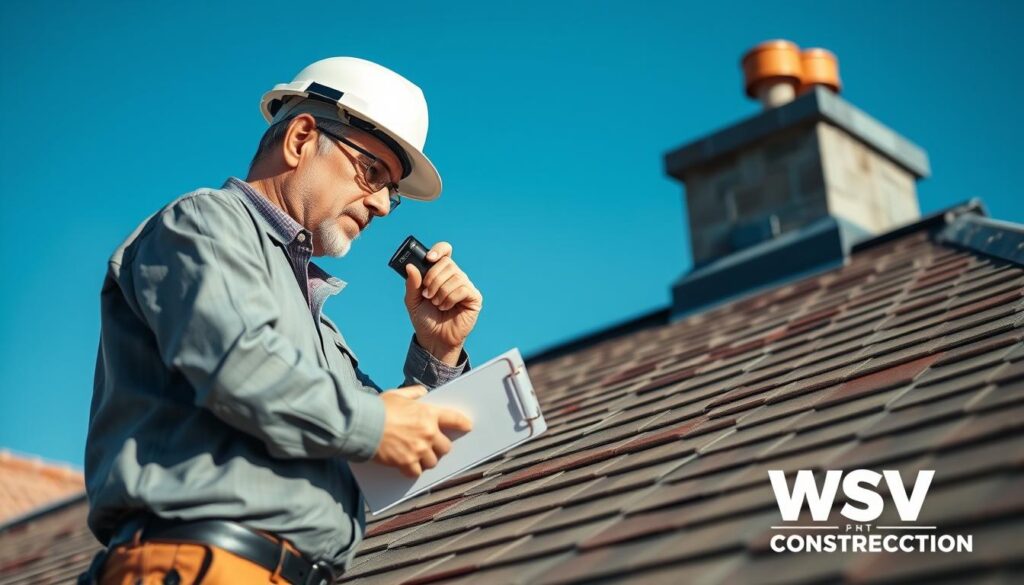
A professional inspection is crucial for spotting roof problems early. By getting a roofing expert, you can make sure your roof gets a full check for damage or wear.
What to Expect During a Professional Inspection
A roofing expert will look at your roof’s condition during an inspection. They check for damaged, missing, or loose shingles and flashing issues. They also check the roof’s structure for water damage or leaks.
The inspection process includes:
- Visual examination of the roof’s surface
- Checking for wear around chimneys, vents, and skylights
- Inspecting the condition of the roof’s flashing
- Looking for signs of water damage or leaks
Benefits of Hiring a Roofing Expert
Hiring a roofing expert for an inspection has many benefits. They can accurately diagnose roof problems and suggest the best repairs or replacements.
The benefits are:
| Benefit | Description |
|---|---|
| Accurate Diagnosis | A roofing expert can spot issues that homeowners might miss. |
| Effective Recommendations | They can suggest the best repairs or replacements based on the inspection. |
| Cost Savings | Fixing problems early can save you money on expensive repairs later. |
Investing in a professional inspection can help your roof last longer and stay in good shape.
Contact Us for Roof Leak Solutions
If you’re dealing with roof leaks, our team is ready to assist. We focus on finding effective solutions for your roof leaks. We know how important it is to have quick and reliable service.
Expert Assistance for Your Roofing Needs
Our customer service team is here to help with your questions and concerns. Whether you need a repair or a new roof, we aim to provide top-notch service.
To reach out to us, call (727)-625-1374 or email contact@mail.wsvgroup.com. We’re eager to help you fix your roofing problems.
FAQ
What is flashing, and why is it crucial for my roof?
Flashing is a material, like metal, used to protect roof areas. It covers things like chimneys and vents to keep water out. It’s key to keeping your roof in good shape.
What are the common types of roof flashing?
There are several types of roof flashing. These include step flashing, chimney flashing, valley flashing, and counter flashing. Each type protects different parts of the roof from water damage.
How can I identify flashing issues on my roof?
Look for signs like rust, corrosion, or gaps in the flashing. Check areas around roof penetrations for water stains or leaks. A leak tracing test can also help find the problem.
What causes flashing to deteriorate over time?
Weather, temperature changes, and poor installation can damage flashing. Corrosion, rust, and wear and tear also play a part.
Can I repair flashing issues myself, or do I need a professional?
You can fix some minor flashing problems yourself. But for bigger issues, it’s best to get a professional roofer. They can give you the right fix.
How often should I inspect my roof and flashing?
Check your roof and flashing at least twice a year. Or after bad weather. Regular checks can catch problems early.
What are the signs that my roof needs replacement rather than repair?
If your roof has a lot of damage, leaks, or is old, it might need to be replaced. A roofer can tell you for sure.
How do environmental factors impact flashing and roof leaks?
Weather like heavy rain, hail, and extreme temperatures can harm flashing and cause leaks. Temperature changes can also make materials expand and contract, leading to gaps.
What is the role of sealants in preventing roof leaks?
Sealants fill gaps and create a watertight seal around roof penetrations and flashing. They help prevent water from getting in and causing damage.
How can poor drainage contribute to roof leaks?
If water builds up on the roof, it can stress flashing and lead to leaks. Keeping gutters and downspouts clean can help avoid this.
What can I expect during a professional roof inspection?
A roofer will check your roof, flashing, and other parts for problems. They’ll tell you what needs fixing or replacing.
What are the benefits of hiring a roofing expert?
A roofing expert can spot and fix issues before they get worse. They ensure repairs are done right and offer advice on keeping your roof in good shape.