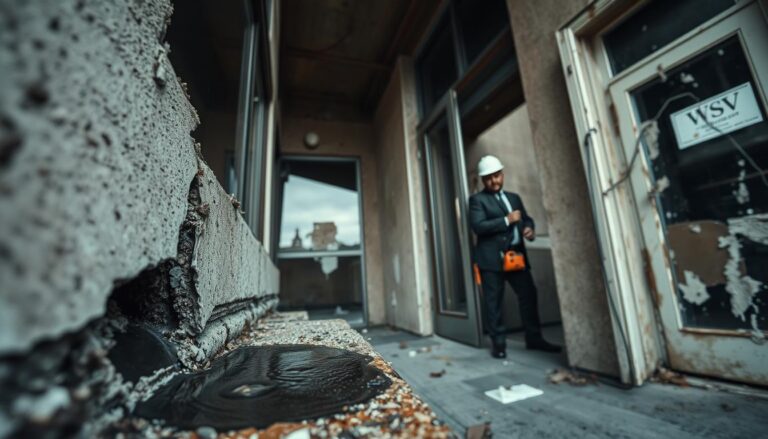
Is your home giving you trouble with unwanted moisture? You’re not alone. The exterior shell of your home, known as the building envelope, is key to keeping it safe from the outside. It includes the roof, walls, and foundation, fighting off rain, snow, and groundwater.
If you’re dealing with moisture intrusion, knowing how water gets in is vital. For help, call us at (727)-625-1374 or email contact@mail.wsvgroup.com.
Key Takeaways
- Understanding the building envelope is crucial for preventing water damage.
- The building envelope includes the roof, walls, and foundation.
- Water intrusion can occur through various means.
- Identifying the source of moisture intrusion is key to resolving the issue.
- Professional assistance can help mitigate water damage.
Understanding the Building Envelope
Your home’s building envelope is more than just parts; it’s a system that keeps water out. It includes the roof, walls, windows, doors, and foundation. Each part is crucial for your home’s integrity.
Definition and Importance
The building envelope is the space between your home’s inside and outside. It’s very important. It helps keep your home comfortable, saves energy, and stops water damage.
A good building envelope keeps your home dry and comfy, no matter the weather. It blocks rain, snow, and extreme temperatures.
Key Components of a Building Envelope
The main parts of a building envelope are the roof, walls, windows, doors, and foundation. Each part helps stop water from getting in.
- The roof sheds water and snow, protecting your home from above.
- Walls block rain and wind-driven rain.
- Windows and doors let in light but need to be sealed well.
- The foundation keeps water from seeping in from the ground.
If you have water problems in your home, fix them fast. For help, call us at (727)-625-1374 or email contact@mail.wsvgroup.com.
How Water Intrusion Occurs
It’s important to know how water intrusion happens to keep your building safe. Water can get into your building in many ways. This can damage the building envelope and cause big problems if not fixed fast.
Common Sources of Water Intrusion
Water can get into a building through several common ways. These include:
- Cracks in stucco or other exterior finishes
- Gaps around windows and doors
- Improper flashing around roofing and chimneys
- Failures in the roofing system
Regular checks can spot these water intrusion sources early. For example, looking for stucco cracks and making sure flashing is right can help a lot. This can lower the chance of water getting in.
Areas Prone to Water Damage
Some parts of a building are more likely to get water damage. These areas include:
| Area | Common Issues | Prevention Tips |
|---|---|---|
| Basements | Water seepage through walls and floors | Ensure proper drainage around the foundation |
| Bathrooms | Leaks around fixtures and poor sealing | Regularly inspect and maintain plumbing fixtures |
| Kitchens | Leaks under sinks and around appliances | Check for and fix leaks promptly |
If you’re dealing with water intrusion, fix it fast to avoid more damage. For help, call us at (727)-625-1374 or email contact@mail.wsvgroup.com.
Signs of Water Intrusion in Your Home
Spotting water intrusion signs is vital to avoid expensive fixes and keep your home safe. Water can enter your home in many ways. So, it’s important to watch your home’s condition closely.
Visible Damage Indicators
Visible damage is a clear sign of water intrusion. Look for water stains on walls and ceilings. These can mean a leak or condensation problem. Warping of wood and peeling paint also show water damage.
Check areas like bathrooms and kitchens often. Look for discoloration or warping around sinks, toilets, and appliances. Catching problems early can save you from big repairs.
“The most effective way to deal with water intrusion is to catch it early. Regular inspections can make all the difference.” – Expert in Water Damage Restoration
Unpleasant Odors and Mold
Bad smells and visible mold are big signs of water intrusion. A musty smell means there’s hidden moisture. Mold loves damp places and can harm your health.
To stop mold, make sure your home breathes well. Use exhaust fans in kitchens and bathrooms to cut down humidity. If you find mold, fix the moisture problem first before cleaning it up.
- Check for signs of water damage regularly.
- Ensure proper ventilation to reduce humidity.
- Address any water intrusion issues promptly to prevent mold growth.
If you’re dealing with water intrusion or think you have mold, get help fast. Call us at (727)-625-1374 or email contact@mail.wsvgroup.com for help.
Consequences of Water Intrusion
Water intrusion is not just about looks; it can seriously harm your home’s structure. When water gets into your house, it can cause many problems. These issues affect your home’s safety and your health.
Structural Damage and Integrity
Water can damage your home’s structure. Moisture can cause rot, decay, and weakening of wooden beams and other materials. This can make your home unsafe for you and your family.
Some common areas hit by water intrusion include:
- Roofing materials and structures
- Wall foundations and frames
- Flooring and subflooring
| Area Affected | Potential Damage | Long-term Consequences |
|---|---|---|
| Roofing | Leaks, rotting wood | Structural collapse |
| Walls | Mold, weakened frames | Integrity compromised |
| Flooring | Warping, rotting | Uneven surfaces, safety hazards |
Health Risks Associated with Water Intrusion
Water intrusion also brings health risks from mold. Mold can lead to breathing problems, allergies, and other health issues. It’s important to fix water intrusion quickly to avoid these health problems.
If you’re dealing with water intrusion, act fast. Get help from a professional. Your Home causing you Trouble? Call us at (727)-625-1374 or email contact@mail.wsvgroup.com.
Preventive Measures for Water Intrusion
Regular maintenance is key to preventing water intrusion in your home. By taking proactive steps, you can significantly reduce the risk of water damage and associated issues.
Regular Maintenance Tips
To keep your home safe from water intrusion, follow these maintenance tips:
- Inspect your roof regularly for damaged, missing, or loose shingles.
- Clean gutters and downspouts at least twice a year to ensure proper water flow.
- Check windows and doors for gaps or cracks and seal them promptly.
- Ensure that your home’s grading slopes away from the foundation.
Regular inspections can help identify potential issues before they become major problems. For instance, inspecting your roof after severe weather can reveal damaged shingles that need repair.
Effective Sealing Techniques
Sealing gaps and cracks is crucial for preventing water intrusion. Here are some effective sealing techniques:
- Use a high-quality sealant suitable for the material you’re sealing (e.g., silicone for glass, polyurethane for wood).
- Apply sealant around windows, doors, and any joints or seams.
- Ensure the surface is clean and dry before applying sealant for a strong bond.
Proper sealing not only prevents water intrusion but also improves energy efficiency by reducing air leaks. If you’re unsure about the best sealant to use or how to apply it, consider consulting a professional.
If you’re experiencing issues with water intrusion or want to ensure your home is properly maintained, don’t hesitate to contact us. Call us at (727)-625-1374 or email contact@mail.wsvgroup.com for expert assistance.
The Role of Windows and Doors
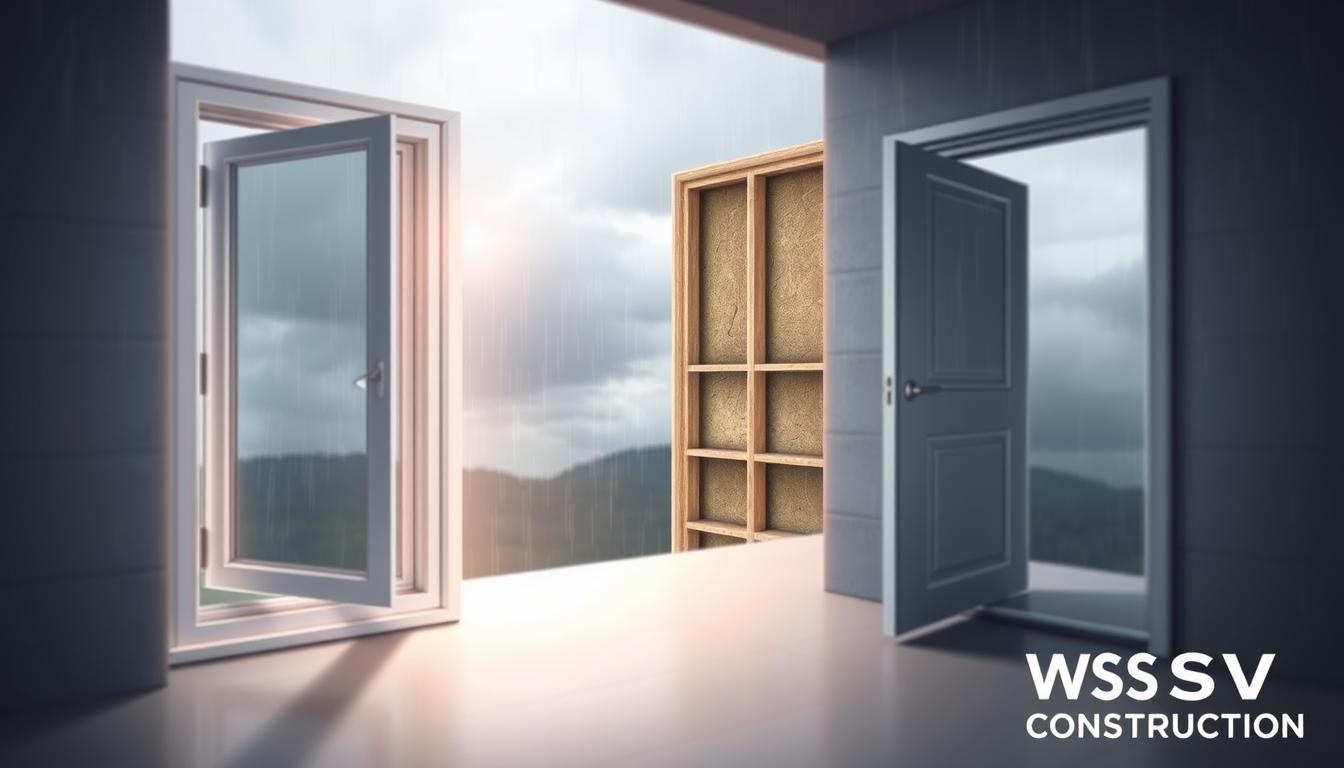
Windows and doors are key to a building’s defense against water. They let in natural light and provide access. But, they can also be weak spots in the building’s envelope.
Common Vulnerabilities
Windows and doors can let water in for several reasons. Gaps around frames, bad installation, and missing flashing are common problems. For example, if flashing around a window isn’t sealed right, water can get in and cause harm.
Key areas of concern include:
- Inadequate sealing around window and door frames
- Poor installation practices
- Lack of or improper flashing
Recommended Solutions
To stop water from getting in through windows and doors, several steps can be taken. Making sure they’re installed right is crucial. Also, using good flashing materials and sealing gaps well is important.
Effective strategies include:
- Regularly inspecting windows and doors for signs of wear or damage
- Applying sealants around frames to prevent water seepage
- Using flashing materials that are resistant to corrosion and degradation
If you’re having trouble with water getting in or want to protect your home, call us. You can reach us at (727)-625-1374 or email us at contact@mail.wsvgroup.com for help.
Roofing Considerations
Understanding the role of roofing in preventing water intrusion is key for homeowners. Your roof is more than a cover; it’s a vital barrier against the elements.
“A roof is not just a structural element; it’s a safeguard against nature’s fury,” as roofing experts say. The integrity of your roofing is crucial in stopping water from entering your home.
Types of Roofing Affected by Water
Different roofing materials have varying susceptibilities to water damage. For example:
- Asphalt shingles are prone to cracking and lifting, allowing water to seep in.
- Metal roofing, while durable, can suffer from rust and corrosion if not properly coated.
- Tile roofing is generally resistant but can be vulnerable to cracking and grout deterioration.
Each type of roofing material needs specific maintenance to ensure its longevity and effectiveness in preventing water intrusion.
Installation Best Practices
Proper installation is key to preventing water intrusion through your roof. This includes:
- Ensuring adequate flashing around chimneys, vents, and skylights.
- Sealing all roofing components securely to prevent leaks.
- Using high-quality roofing materials that are appropriate for your climate.
Proper flashing and sealing are critical in ensuring that your roof remains watertight. Regular inspections can help identify potential issues before they become major problems.
If you’re experiencing issues with water intrusion or are concerned about the integrity of your roof, don’t hesitate to reach out for professional assistance. Call us at (727)-625-1374 or email contact@mail.wsvgroup.com for support.
The Importance of Proper Drainage
Ensuring proper drainage is often overlooked in building maintenance. It’s key to stop water from gathering around your building. This can cause serious structural problems and expensive fixes.
Proper drainage is more than just having a system. It needs regular upkeep and knowing how parts work together. Gutters and downspouts are vital in keeping water away from your building’s base.
Gutters and Downspouts
Gutters catch rainwater from your roof and send it to downspouts. These downspouts then move the water away from your building. For gutters to work right, they must:
- Be clean and free of debris
- Be aligned correctly for water flow
- Be the right size for the roof they cover
Downspouts should go at least 5-6 feet from your building’s base. This stops water from gathering near your building. Regular checks can spot problems early.
Landscaping Impacts
Your land’s grade and landscaping affect drainage. Making sure the ground slopes away from your building helps. Here are some landscaping tips for better drainage:
| Landscaping Tip | Benefit |
|---|---|
| Grading the land to slope away from the building | Reduces water accumulation around the foundation |
| Planting vegetation that absorbs excess water | Helps manage water runoff |
| Avoiding low-lying areas where water can collect | Prevents water from pooling near the building |
If you’re dealing with water problems or worry about your building’s drainage, get help. Call us at (727)-625-1374 or email contact@mail.wsvgroup.com for support.
Insulation and Water Protection
Insulation does more than just keep your home at a comfortable temperature. It’s also key in stopping water from getting in. Good insulation helps manage moisture, reducing the risk of water damage.
Types of Insulation Materials
There are many insulation materials, each with its own level of water resistance. For example:
- Fiberglass: It works well but can soak up moisture, losing its insulating power when wet.
- Spray Foam: It seals tight and resists moisture well, perfect for places where water might get in.
- Cellulose: Made from recycled stuff, it’s fire-safe but can hold onto moisture.
- Rigid Foam Board: It’s very good at fighting moisture and works well in wet areas.
Choosing the right insulation depends on your needs and where you live. In humid places, pick materials that can handle more moisture.
How Insulation Affects Moisture Management
Insulation is crucial for managing moisture in your home. The right insulation can:
- Lessen condensation by keeping temperatures steady.
- Stop moisture from building up, which can cause mold and harm your home’s structure.
- Make your home more energy-efficient.
Good moisture management through insulation keeps your home safe from water damage. It also makes your indoor air healthier.
If you’re dealing with water problems or worry about your insulation, get expert help. Your Home causing you Trouble? Call us at (727)-625-1374 or email contact@mail.wsvgroup.com.
Professional Assessment of Water Intrusion
Professional assessments are vital for identifying the sources of water intrusion and recommending the necessary repairs to prevent further damage. If you’re experiencing water intrusion, it may be necessary to call a professional to assess the situation and provide a comprehensive solution.
When to Call an Expert
You should consider calling an expert if you notice persistent signs of water intrusion, such as damp spots, mold growth, or water stains. These issues can indicate a more significant problem that requires professional attention.
Some common scenarios that necessitate a professional assessment include:
- Recurring leaks or water damage
- Unresolved moisture issues
- Visible structural damage
If you’re unsure about the severity of the issue or how to address it, a professional can provide guidance and support.
“A thorough inspection by a qualified professional can uncover hidden issues and provide a clear plan for remediation.”
What to Expect During an Inspection
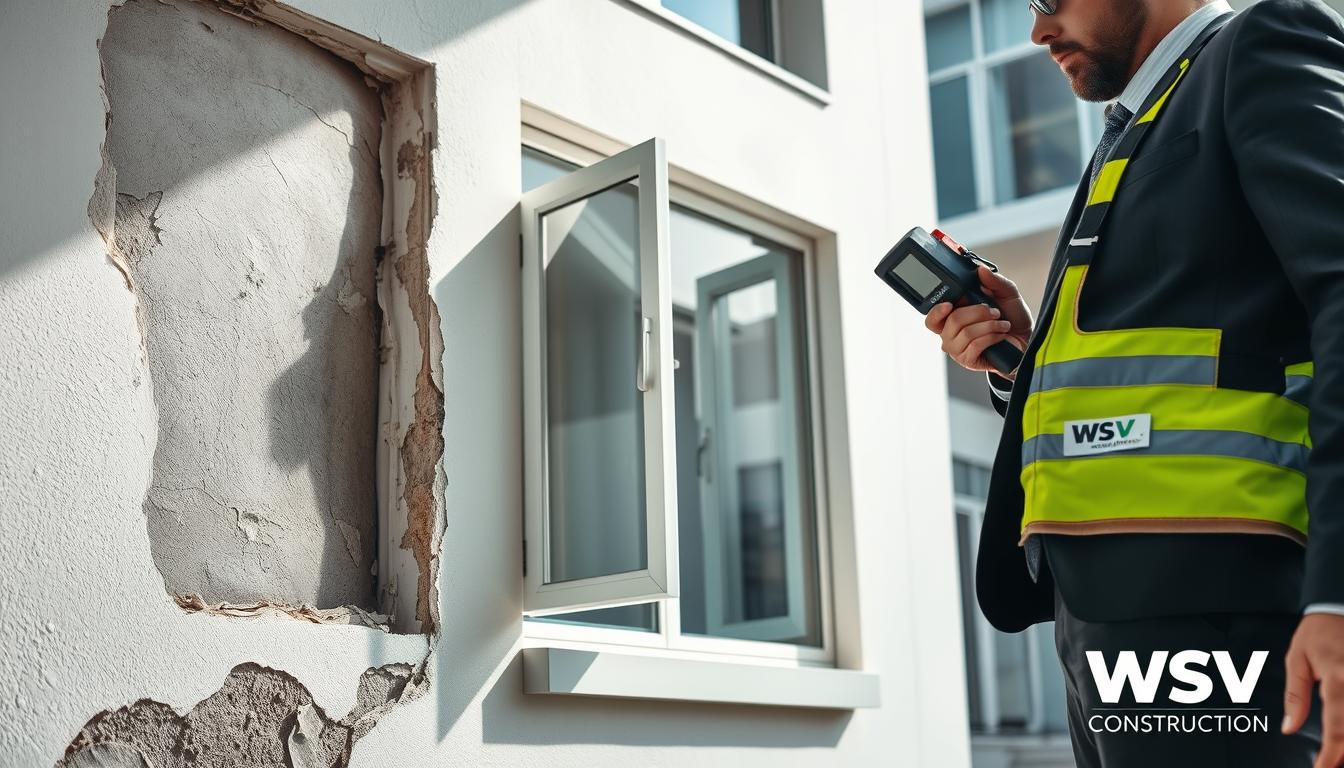
During a professional inspection, you can expect a thorough examination of your building envelope, including roofs, walls, windows, and doors. The inspector will look for signs of water intrusion, assess the condition of the building components, and identify potential vulnerabilities.
| Inspection Area | Key Factors Assessed |
|---|---|
| Roofs | Condition of roofing materials, presence of leaks or damage |
| Walls | Signs of water intrusion, condition of exterior finishes |
| Windows and Doors | Seal integrity, presence of gaps or damage |
After the inspection, the professional will provide a detailed report outlining their findings and recommendations for repairs or improvements.
If you’re experiencing water intrusion issues, don’t hesitate to seek professional help. Contact us at (727)-625-1374 or email contact@mail.wsvgroup.com for support.
Addressing Existing Water Intrusion
Fixing water intrusion is crucial for your home’s health. It’s vital to act fast to avoid more damage.
Remediation Techniques
Fixing water intrusion depends on the problem’s size and cause. First, find and fix the water source. Drying out affected areas is a key step, using tools like dehumidifiers and fans.
When water damages a lot, replacing damaged materials like drywall or flooring might be needed. Make sure to clean and disinfect all affected spots to stop mold.
Long-Term Solutions
Long-term fixes tackle the water intrusion’s root cause. This could mean repairing leaks, sealing gaps around windows and doors, or improving drainage. Regular upkeep helps avoid future problems.
If you’re facing water intrusion, get professional help right away. At WSV Group, we’re ready to help. Call us at (727)-625-1374 or email at contact@mail.wsvgroup.com.
How We Can Help You
If you’re dealing with water problems or other building issues, don’t wait to ask for help. Our team is ready to assist you. We aim to protect your building from water damage.
Get in Touch
Need help with water or building problems? You can reach out to us. Our contact details are easy to find.
Call us at (727)-625-1374 or email at contact@mail.wsvgroup.com. Our team is ready to help with your water concerns.