

Are you tired of unexpected costs in construction projects? You’re not alone. Many face budget overruns and delays due to inaccurate cost forecasts. Accurate estimating is key to project success.
Construction estimating helps predict project costs and reasons before it starts. It details materials, labor, equipment, overhead, and contingencies. Knowing estimating helps avoid surprises and ensures success. Having trouble with your project? Call us at (727)-625-1374 or email contact@mail.wsvgroup.com for help.
Key Takeaways
- Accurate estimating is crucial for project success
- Estimating breaks down costs into materials, labor, equipment, overhead, and contingencies
- Clear cost forecasts help avoid budget overruns and delayed timelines
- Understanding estimating ensures project success
- Expert assistance is available for troubled projects
Understanding Construction Estimating
Construction estimating is key for contractors and builders to make sure projects are profitable. It’s about guessing the total costs of a project. This includes the cost of materials, labor, equipment, and other expenses.
What is Construction Estimating?
Construction estimating is a detailed process. It looks at materials, labor, and equipment to guess the total project cost. This is important for contractors to bid on projects and for clients to budget right. A good estimate includes a takeoff, which is figuring out the materials needed.
Importance of Accurate Estimates
Accurate construction estimates are crucial for a project’s financial success. They help avoid cost overruns, which can cause financial losses. They also help build trust with clients by showing them the project’s costs clearly.
Accurate estimates also help contractors manage their resources well. This includes managing labor costs, which are not just wages but also labor burden costs like benefits, taxes, and insurance.
| Component | Description | Importance |
|---|---|---|
| Materials | Cost of construction materials | High |
| Labor | Labor costs including wages and labor burden | High |
| Equipment | Cost of renting or purchasing equipment | Medium |
Key Components of Estimating
The main parts of construction estimating are materials, labor, equipment, and overhead costs. Each part is important for figuring out the total project cost. Estimators must carefully look at these parts to give a precise estimate.
If you’re having trouble with your construction project, don’t worry. You can get professional help. Call us at (727)-625-1374 or email contact@mail.wsvgroup.com for expert advice.
Types of Cost Estimates
Knowing the different types of cost estimates is key for managing construction projects well. Each project goes through stages like planning, design, tendering, and delivery. At each stage, you need a specific estimate type. These estimates vary in detail, purpose, and how accurate they are.
Preliminary vs. Detailed Estimates
Preliminary estimates are for the early project stages when details are scarce. They give a rough idea of costs for initial decisions. Detailed estimates are for when the project’s scope is clear, breaking down costs thoroughly.
Preliminary estimates help in feasibility studies or comparing project options. They’re less precise but quick. Detailed estimates, on the other hand, are more precise for bidding or budgeting.
| Estimate Type | Purpose | Accuracy Level |
|---|---|---|
| Preliminary | Feasibility studies, initial decision-making | Low to Moderate |
| Detailed | Bidding, project budgeting | High |
What is an Order of Magnitude Estimate?
An Order of Magnitude Estimate is a preliminary estimate. It gives a rough cost estimate, usually within -25% to +75% accuracy. It helps decide if to proceed with a project or compare options.
“An Order of Magnitude Estimate is not meant to be precise but rather to give a ballpark figure that can guide initial project decisions.”
Unit Price Estimating Explained
Unit price estimating calculates costs based on material, labor, and equipment prices. It’s good for projects with known work quantities.
For example, in road construction, you estimate costs per kilometer. This includes materials, labor, and equipment. Then, multiply this unit price by the road’s total length for the total cost.
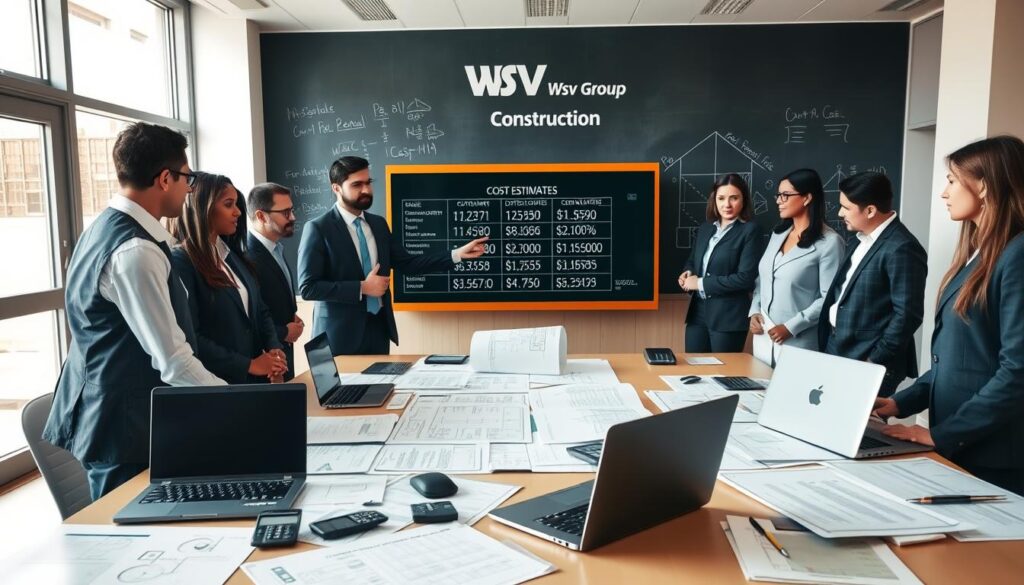
When making estimates, remember to include overhead and profit. Overhead includes office costs, insurance, and utilities. Profit is your earnings goal. Accurate accounting for these ensures competitive bids and profit.
Struggling with construction project estimates or home issues? Call us at (727)-625-1374 or email contact@mail.wsvgroup.com for expert help.
Tools and Software for Estimating
In construction estimating, the right tools and software are key for accuracy and efficiency. The right technology can greatly impact your project’s success. It’s important to have the right tools as you work on complex projects.
Essential Estimating Software for Professionals
Construction estimating tools have evolved a lot. They now include software for digital takeoffs, cost databases, and full estimating platforms. These tools help you work faster, more accurately, and control costs better.
Look for software that can do digital takeoffs, link with cost databases, and give detailed estimates. It should also handle changes and contingencies well.
Benefits of Digital Estimating Tools
Digital tools improve accuracy, cut down on manual work, and help teams work together better. Digital takeoff software lets you quickly and accurately measure plans. This reduces errors.
These tools also help with cost control by tracking expenses and making changes in real-time. This makes it easier to manage budgets and stay on track.
How to Choose the Right Software
When picking estimating software, think about your project’s needs, how easy it is to use, and if it fits with your systems. Good customer support and training are also key.
Here’s a look at some popular estimating software:
| Software | Key Features | Cost |
|---|---|---|
| PlanSwift | Digital takeoff, cost estimation, reporting | $995/user |
| Bluebeam | PDF editing, markup, measurement | $349/user |
| EstimateOne | Cloud-based estimating, takeoff, and bidding | Custom pricing |
Choosing the right software can make your estimating better, cut down on mistakes, and help you win more projects. If you’re struggling with your projects, get help from experts. Need help with your home or project? Call (727)-625-1374 or email contact@mail.wsvgroup.com.
The Estimation Process
Accurate construction estimating is key to a project’s success. It turns design plans into financial forecasts. The process starts with understanding the project scope and ends with a detailed bid proposal.
Step-by-Step Guide to Creating an Estimate
Creating a construction estimate involves several steps. First, you need to understand the project’s scope. This includes all the work items and requirements. Next, you’ll do a quantity takeoff to measure materials and labor needed.
Then, you’ll apply unit prices to these quantities. This helps calculate the total cost.
Here’s a simplified outline of the steps involved:
- Review project plans and specifications
- Perform quantity takeoffs
- Research and apply unit prices
- Calculate labor costs and overheads
- Compile the estimate into a comprehensive document
Gathering Necessary Data and Information
Gathering the right data is crucial for an accurate estimate. You need project plans, specifications, and other relevant documents. You also need to research material prices, labor rates, and other costs.
Utilizing historical data from previous projects can also improve your estimate’s accuracy.

Common Pitfalls to Avoid
Several common pitfalls can lead to inaccurate estimates. These include incomplete or inaccurate quantity takeoffs, outdated pricing, and not accounting for potential risks. As a seasoned estimator once said,
“The devil is in the details.” Ensuring you review all project details carefully can prevent costly surprises.
To avoid these pitfalls, stay organized, use reliable data sources, and keep your knowledge and tools up to date. If you’re facing challenges with your construction project, don’t hesitate to seek professional help. Call us at (727)-625-1374 or email contact@mail.wsvgroup.com for expert assistance.
Factors Influencing Construction Costs
Many factors can change the cost of a construction project. Knowing these is key to success. When you estimate costs, think about different elements that can affect the final price.
Material Prices and Availability
Material costs and availability are very important. Changes in these can greatly impact your budget. For example, lumber, steel, and concrete prices can go up or down based on demand and supply issues.
Material Price Volatility: Knowing the current market and future changes in material prices helps in making better estimates. Here’s a table showing price changes for common materials in the last year.
| Material | Price Change Over 1 Year |
|---|---|
| Lumber | +15% |
| Steel | +8% |
| Concrete | +5% |
Labor Costs and Trends
Labor costs are a big part of construction costs. They can change based on location, skill, and local job market. Also, labor burden and overhead can affect labor costs.
Knowing current labor trends and predicting future changes helps in making better estimates. For example, areas needing skilled workers may see higher labor costs.
Location and Site Conditions
The location and site conditions of a project can also change costs. Things like site access, environmental conditions, and local rules can impact the cost.
For example, projects in tough environmental areas might need special equipment and methods, raising costs. Understanding these factors helps in planning and estimating better.
If you’re having trouble with your construction project, get help. Call us at (727)-625-1374 or email contact@mail.wsvgroup.com for expert advice.
Tips for Accurate Estimates
Getting accurate estimates is key to a project’s success. It affects both profit and how happy the client is. To get it right, you need to follow some important steps.
Conducting Thorough Site Evaluations
Doing a detailed site check is vital. It helps you understand what the project needs and any possible problems. You look at the site’s condition, how easy it is to get to, and any environmental issues.
This way, you can spot risks early. Then, you can plan for contingencies and keep your profit safe.
Utilizing Historical Data
Looking at past projects can be very helpful. It lets you see trends, costs, and common mistakes. This knowledge helps you make better choices.
It also helps in planning for contingencies and keeping your profit up. This way, you avoid unexpected costs.
Collaborating with Your Team
Working together with your team is essential. It makes sure everyone knows what’s needed. This includes costs for materials and how much labor you’ll need.
This teamwork helps make your estimate both fair and realistic. It can also boost your profit margins.
If you’re having trouble with your construction project, help is available. Call us at (727)-625-1374 or email at contact@mail.wsvgroup.com. We can offer expert advice.
Preparing for Client Proposals
To stand out in a competitive bidding process, you need to present your estimate clearly and compellingly. This means doing a thorough takeoff and accurate bid strategy. It also means communicating well with your clients.
How to Present Your Estimate Effectively
Presenting your estimate well is key to winning bids. Here are some tips:
- Clearly outline the scope of work and the materials needed.
- Give a detailed breakdown of costs to avoid surprises.
- Use charts and graphs to show complex info.
- Emphasize what makes you unique and competitive.
By following these steps, your estimate will look professional and compelling. This increases your chances of getting the contract.
Best Practices for Client Communication
Good client communication is crucial for a successful bid. Here are some best practices:
- Be open about your pricing and what affects it.
- Answer client questions quickly and fully.
- Keep clients updated on project progress.
- Be ready to negotiate and find solutions that work for both sides.
Keeping communication open and honest builds trust with clients. This improves your chances of winning the bid.
Addressing Client Concerns About Pricing
Clients often worry about pricing. It’s your job to address these concerns well. Here are some tips:
- Be ready to explain your pricing in detail.
- Show the value your services bring to the project.
- Offer flexible pricing options or alternatives if you can.
- Use case studies or testimonials to show your expertise and quality.
If you’re having trouble with your construction project or need help, don’t hesitate. Call us at (727)-625-1374 or email contact@mail.wsvgroup.com for support.
Adjusting Estimates Mid-Project
Changing estimates mid-project can happen due to scope changes or unexpected issues. It’s important to talk clearly with everyone involved. You should know when and why to update your estimate to keep the project moving forward.
Revising Estimates for Success
Updating your estimate is key when the project’s scope changes or when unexpected problems come up. This makes sure your estimate stays true and matches the project’s needs now.
Managing Changes and Communicating with Stakeholders
Handling scope changes well is crucial for a realistic estimate. You must tell stakeholders about any changes quickly. This keeps everyone informed and builds trust in the project.
How We Can Help You
If your home or project is giving you trouble, think about getting help from experts. You can call us at (727)-625-1374 or email contact@mail.wsvgroup.com. We offer support with construction estimating basics and more.
FAQ
What is construction estimating, and why is it important?
Construction estimating is figuring out the total cost of a project. It’s key to know if a project can be done within budget. Accurate estimates help avoid cost overruns and disputes.
What are the different types of cost estimates used in construction projects?
There are several types of cost estimates. Preliminary estimates give a rough idea of costs. Detailed estimates are more precise. Order of magnitude estimates are for initial project assessments.
How do I choose the right estimating software for my project?
Choose the right software by considering your project type and detail needs. Look at the software’s features and if it fits with your systems. Also, check the vendor’s support level.
What are some common pitfalls to avoid during the estimation process?
Avoid common mistakes like wrong takeoffs and incorrect cost assumptions. Make sure to include contingencies and overhead. Use up-to-date information and involve all stakeholders.
How do material prices, labor costs, and site conditions affect construction costs?
Material prices, labor costs, and site conditions can greatly affect costs. Changes in these areas can increase costs. Estimators must consider these when making estimates.
How can I ensure that my estimate is accurate and reliable?
Ensure accuracy by doing thorough site evaluations and using historical data. Work with your team and consider labor burden, overhead, and profit.
How do I present my estimate effectively to clients?
Present your estimate clearly, breaking down costs. Be ready to talk about pricing and be transparent about your process.
When and why should I revise my estimate mid-project?
Revise your estimate when project scope changes or site conditions are different. This keeps your estimate accurate and prevents disputes.
How do I manage scope changes and communicate adjustments to stakeholders?
Manage scope changes by identifying and assessing their impact. Communicate these changes to stakeholders and update your estimate.
What is the role of labor burden, overhead, and profit in construction estimating?
Labor burden, overhead, and profit are key in estimating. Labor burden includes benefits and taxes. Overhead covers indirect costs. Profit ensures the contractor’s financial success.
How can I develop a bid strategy that takes into account contingencies and profit?
Develop a bid strategy by considering project complexity and competition. Include contingencies and a profit margin to ensure financial success.