
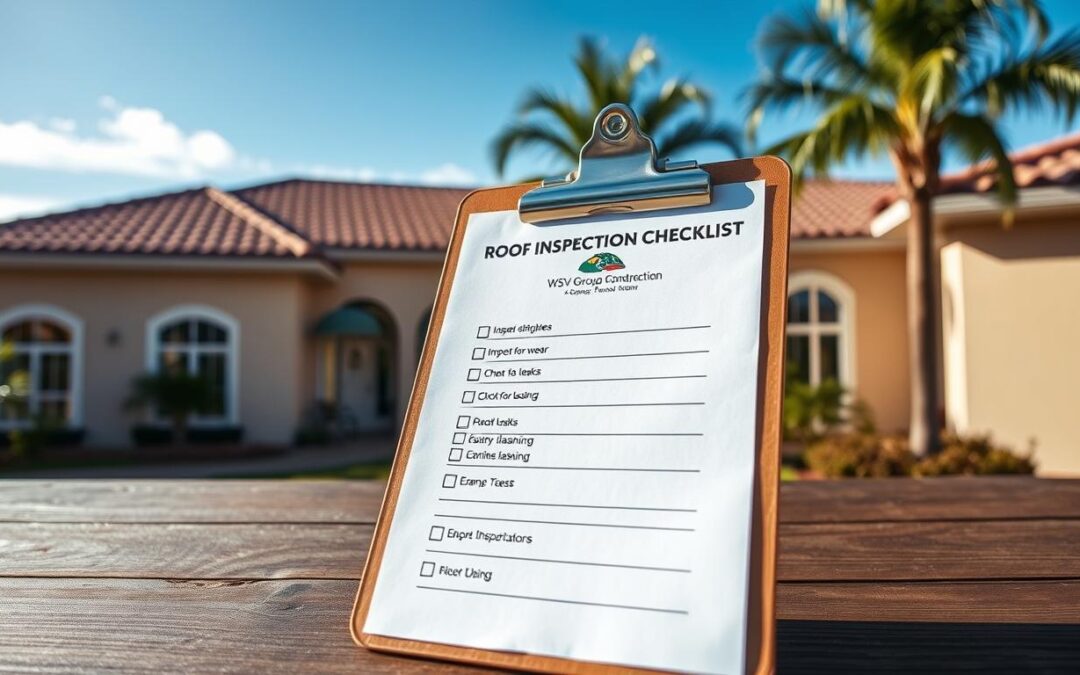
Living in Florida means dealing with tough weather. Severe weather conditions can really damage your roof’s condition. So, keeping up with maintenance is key.
Ignoring your roof can lead to expensive fixes and safety risks. A thorough roof inspection is the best way to avoid these problems.
If you’re having trouble with your home, call us at (727)-625-1374 or email contact@mail.wsvgroup.com. We’re here to help.
Key Takeaways
- Regular roof inspections can help prevent costly repairs.
- A comprehensive inspection checks for damaged or missing shingles, flashing issues, and penetrations around chimneys, vents, and skylights.
- Florida homeowners should prioritize roof maintenance to ensure their home’s integrity.
- Neglecting roof maintenance can lead to safety hazards and costly repairs.
- Professional assistance is available for homeowners who need help with roof inspections.
Why a Roof Inspection is Crucial for Florida Homes
Florida’s weather, with hurricanes and high humidity, makes roof inspections key. The state’s harsh weather can harm a roof’s durability and integrity. Regular inspections are essential for keeping your home in good shape.
Importance of Regular Inspections
Regular roof checks can spot problems early. This way, you can:
- Find damaged or missing shingles that could cause leaks and more damage.
- Check flashing around chimneys, vents, and skylights to make sure it’s working right.
- See if penetrations like vents, chimneys, and skylights are leaking.
Common Roof Issues in Florida
Florida’s weather is tough on roofs, causing:
- High winds that can remove shingles or tiles.
- Heavy rainfall that can lead to leaks and water damage.
- High humidity that can cause moss and algae to grow on roofs.
Knowing these common problems helps you prepare for and fix roof damage.
Benefits of Proactive Maintenance
Regular roof inspections have many benefits, including:
- Cost savings: Fixing problems early saves money on expensive repairs later.
- Extended roof lifespan: Keeping your roof in good shape can make it last longer.
- Enhanced safety: A well-maintained roof is less likely to fail, keeping your home safe.
By focusing on roof inspections, you protect your investment and keep your home safe and secure.
Overview of Florida Roof Types
Roofing in Florida includes many materials and styles. It’s important for homeowners to know about them. The type of roof affects how you maintain and inspect it.
Florida homes have many roofing materials, each with its own needs. Knowing these differences helps with roof care.
Shingle Roofs
Shingle roofs are common in Florida. They come in materials like asphalt, wood, and composite. Asphalt shingles are popular for being affordable and lasting long. But, they can get damaged by harsh weather and sunlight.
Tile Roofs
Tile roofs are also common in Florida. They are durable and look good. Clay and concrete tiles resist weather and fire well. They need checks after bad weather to stay safe and working right.
Metal Roofs
Metal roofs are becoming more popular in Florida. They can handle strong winds and heavy rain. Made from metals like aluminum, steel, and copper, they last long and save energy. But, they can be noisy in the rain and might need extra insulation.
Flat Roofs
Flat roofs are seen on commercial buildings but also on homes in Florida. They’re made from materials like built-up roofing (BUR), modified bitumen, or single-ply membranes. Flat roofs need regular checks to avoid water problems, especially in the rainy season.
Every roof type has its own care and inspection needs. Knowing your roof’s features helps you face Florida’s weather challenges better.
Key Elements to Inspect on Your Roof
A thorough roof inspection checks several critical components to prevent future damage. Regular inspections can spot issues before they become big problems.
Shingles or Tiles
The condition of your shingles or tiles is key to your roof’s health. Look for wear signs like cracks, curling, or missing pieces. For shingle roofs, check for granule loss, which shows aging.
Tile roofs need checks for cracks or breaks. Also, make sure tiles are securely fastened.
Roofing expert John Smith said, “Regularly inspecting your shingles or tiles can significantly extend the life of your roof.”
“A well-maintained roof is not just about aesthetics; it’s about protecting your home from the elements.”
Flashing and Seals
Flashing around chimneys, vents, and skylights is crucial to stop water intrusion. Check the flashing for damage or wear. Make sure seals around these areas are intact and not leaking.
- Check for rust or corrosion on metal flashing.
- Ensure that flashing is securely fastened.
- Inspect seals for any signs of cracking or separation.
Gutters and Downspouts
Gutters and downspouts are key in directing water away from your roof and home. Clogged or damaged gutters can cause water backup, damaging your roof, walls, and foundation.
To inspect your gutters:
- Clear out debris and check for sagging.
- Ensure downspouts are securely attached and directing water away from your home.
- Check for any signs of rust or holes.
By focusing on these key elements, you can keep your roof in good shape. This ensures it continues to protect your home effectively.
Seasonal Considerations for Roof Inspections
The Florida climate changes a lot, which means your roof needs regular checks. Knowing how each season affects your roof helps you keep it in good shape.
Hurricane Season Prep
Hurricane season in Florida is from June to November, with the busiest months being August to October. It’s very important to get your roof ready for hurricanes. This helps avoid damage from strong winds and flying debris.
- Check your roof for loose or missing shingles and secure them.
- Look at the condition of your roof’s flashing and seals around chimneys, vents, and skylights.
- Trim tree branches near your roof to prevent damage from branches.
As hurricane season gets closer, making sure your roof is ready can save you from expensive fixes later.
Impact of Humidity on Roofs
Florida’s humidity all year can cause mold, mildew, and algae on roofs. These can weaken your roof’s structure.
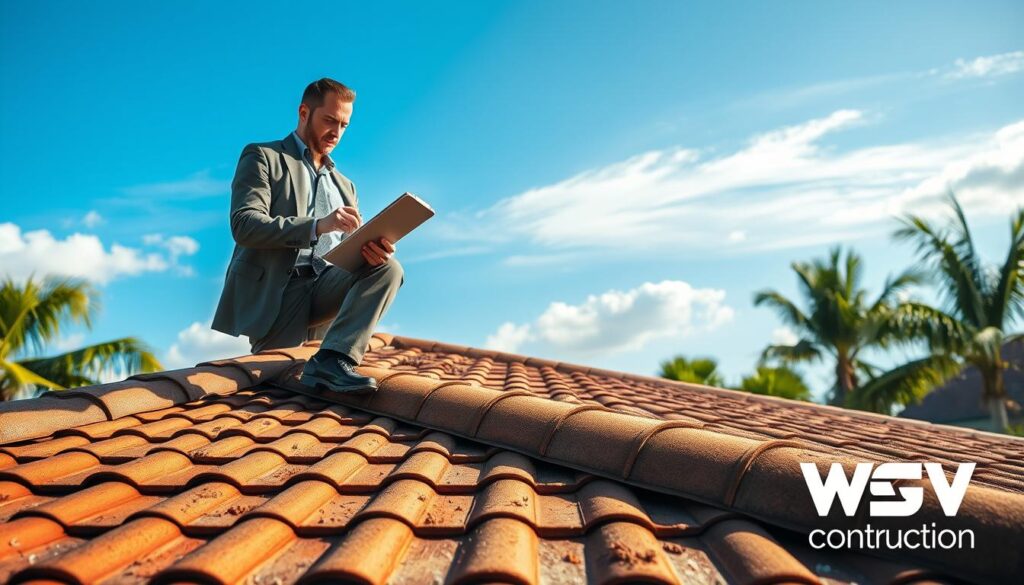
To fight humidity’s effects:
- Regularly clean your roof to remove debris and lower mold and algae risk.
- Think about using a roof coating that fights mold and algae.
Roofing experts say, “High humidity can shorten your roof’s life if you don’t keep it up.”
Winter Weather Effects
Florida’s winters are usually mild, but cold fronts can bring cooler weather and rain. Checking your roof before winter can find and fix problems that cold, wet weather might make worse.
| Winter Weather Impact | Prevention Tips |
|---|---|
| Rain and wind can cause leaks and damage. | Look for damaged or missing shingles and fix them. |
| Cooler temperatures can make roofing materials more brittle. | Check your roof for wear and tear, and think about a protective coating. |
Knowing how to inspect your roof for each season helps protect it and make it last longer.
Safety Tips for Conducting a Roof Inspection
To ensure a safe roof inspection, you must take necessary precautions. Roof inspections can be dangerous, especially for those without experience. It’s crucial to follow safety guidelines to avoid accidents.
Use Proper Safety Gear
Using the right safety gear is vital when inspecting your roof. Wear non-slip shoes or boots with good tread to prevent slipping. Also, a safety harness is lifesaving if you’re working at heights. Make sure your safety gear is in good condition before starting.
Gloves protect your hands from sharp edges and debris. Eye protection, like goggles, shields your eyes from falling particles. Wearing the right safety gear greatly reduces injury risk during the inspection.
Working with a Ladder
When using a ladder to access your roof, follow ladder safety guidelines. Ensure the ladder is sturdy and in good condition. Place the ladder on a firm, level surface and secure it to prevent slipping. Always maintain three points of contact with the ladder.
It’s also a good practice to have someone hold the ladder for you if possible. Never lean over the side of the ladder to reach; instead, move the ladder to a position where you can safely access the area you need to inspect.
Knowing When to Hire a Professional
Even with safety precautions, sometimes it’s best to hire a professional to inspect your roof. If your roof is steep, high, or complex, it’s safer to let an experienced roofer handle it. Professionals have the training, equipment, and experience for a safe inspection.
Also, if you notice any significant damage or hazards during your inspection, call a professional immediately. They can assess the situation and provide the necessary repairs or recommendations to ensure your roof remains safe and secure.
Common Signs of Roof Damage to Look For
Your roof protects your home from the outside world. Knowing when it’s damaged is crucial. Regular checks can spot problems early.
Stains or Water Marks Inside
Stains or water marks on ceilings or walls are a big warning sign. They mean water is getting into your home through the roof. If you see these, look for the leak’s source.
Check your attic for stains or water damage. This can show where the roof is damaged.
Curling or Cracked Shingles
Looking at your roof’s outside is important. Damaged or missing shingles are a big problem. They don’t protect your home well.
Curling shingles might mean your roof is old or not installed right. Cracked ones often come from weather or debris hitting your roof.
Fixing damaged shingles quickly is key. Regular roof checks can catch these issues early. This saves you from bigger repairs later.
Moss and Algae Growth
Moss and algae on your roof are more than just ugly. They can mean your roof is wet and damaged. Moss loves damp places and keeps moisture on your roof.
Algae, seen as black streaks, also looks bad and means your roof is too wet. Cleaning your roof can get rid of moss and algae. But, you must fix the reasons they grow.
Good roof ventilation and trimming trees can stop moss and algae. This keeps your roof dry and looking good.
Tools You Might Need for Your Inspection
To do a full roof check, you’ll need different tools. These range from basic safety gear to high-tech gadgets.
Safety Gear Essentials
When you’re checking your roof, safety comes first. You’ll need a harness to keep you from falling, gloves for grip and safety, and shoes that won’t slip.
Good safety gear can really cut down on accident risks. Look for a harness that’s comfy and fits well, so you can move around easily on your roof.
Recommended Inspection Tools
You’ll need various tools for a detailed check. A ladder is key for getting up to your roof safely. Make sure it’s strong and tall enough.
Other must-haves are a flashlight for dark spots, a magnifying glass for close looks, and a moisture meter to find hidden dampness.
| Tool | Purpose |
|---|---|
| Ladder | Safe access to the roof |
| Flashlight | Illuminating dark areas |
| Magnifying Glass | Examining details closely |
| Moisture Meter | Detecting hidden dampness |
Tech Gadgets for Roof Assessment
Technology can really help with your roof check. Think about using a drone with a camera to get detailed shots from different views.
Also, thermal imaging cameras can spot temperature changes. These might show moisture or bad insulation.
With these tech tools, you can get a full picture of your roof’s state. This makes it easier to spot problems and plan fixes.
Creating Your Roof Inspection Checklist
To keep your roof in top shape, it’s important to make a detailed roof inspection checklist. This checklist should match your roof’s unique needs. It helps you check your roof carefully, spotting problems early on.
Sections of a Checklist
A good roof inspection checklist has several main parts. These include:
- Roof Type and Age: Knowing your roof’s type and age helps predict problems.
- Shingles or Tiles: Look for any damaged, missing, or loose shingles/tiles.
- Flashing and Seals: Check for wear around chimneys, vents, and skylights.
- Gutters and Downspouts: Make sure they’re clear and working right.
Formatting for Easy Use
Make your checklist easy to use. Use tables or lists to organize the info. For example:
| Inspection Area | Condition | Notes |
|---|---|---|
| Shingles | Good | No damage observed |
| Flashing | Fair | Some rust spots |
Customizing for Your Specific Roof
Customizing your checklist is crucial. Think about your roof’s material, age, and any past fixes. For instance, if you have a tile roof, focus on the tiles and grout.
By making your checklist fit your roof’s needs, you’ll get a more detailed and effective check.
How Often Should You Inspect Your Roof?
The need for roof inspections varies based on your roof’s age and local weather. Knowing when to check your roof can stop small problems from getting bigger.
Recommendations by Season
Each season poses unique challenges for your roof. In the spring and fall, it’s wise to inspect your roof after the previous season. In Florida, where hurricanes are common, it’s especially important to check your roof before the hurricane season starts.
- Spring Inspections: Look for damage from winter, like ice dams or heavy snow.
- Fall Inspections: Make sure your roof is ready for winter by removing debris and checking shingles.
After Severe Weather Events
After severe weather, like hurricanes or heavy storms, it’s crucial to inspect your roof. These events can cause a lot of damage, including missing shingles, damaged flashing, or structural problems.
Key areas to focus on post-storm include:
- Check for missing or damaged shingles.
- Inspect flashing around chimneys, vents, and skylights.
- Look for signs of water intrusion or leaks inside your home.
Annual Maintenance Routines
Along with seasonal and post-storm checks, an annual maintenance routine is key. This includes a detailed inspection and fixing any issues, like cleaning gutters, trimming trees, and checking roof parts.
By sticking to these tips, you can keep your roof in top shape. This protects your home and family.
Next Steps After Your Inspection
After your roof inspection, it’s time to find and fix any problems. This is key to keeping your roof strong and protecting your home.
Identifying Repairs Needed
First, you need to find out what repairs are needed. Look over your inspection report and decide what needs to be done first. Check for damage like broken shingles, rusty flashing, or clogged gutters.
Prioritization is key: Start with repairs that are most important for your roof’s safety or could cause more damage if not fixed quickly.
Budgeting for Repairs
After you know what repairs are needed, it’s time to plan your budget. Repair costs can change a lot based on how bad the damage is and what materials you need.
| Type of Repair | Average Cost | Factors Affecting Cost |
|---|---|---|
| Shingle Replacement | $300-$1,000 | Number of shingles, labor costs |
| Gutter Cleaning | $100-$300 | Length of gutters, debris amount |
| Flashing Repair | $200-$500 | Extent of damage, material used |
Getting quotes from different contractors is important to make sure you’re paying a fair price for the work.
Planning for a Professional Inspection
If you’re not sure about your roof or see big damage, you might need a professional inspection. A pro can give a detailed report and fix any big problems.
Consider the benefits: A professional inspection can give you peace of mind and prevent expensive fixes later by catching problems early.
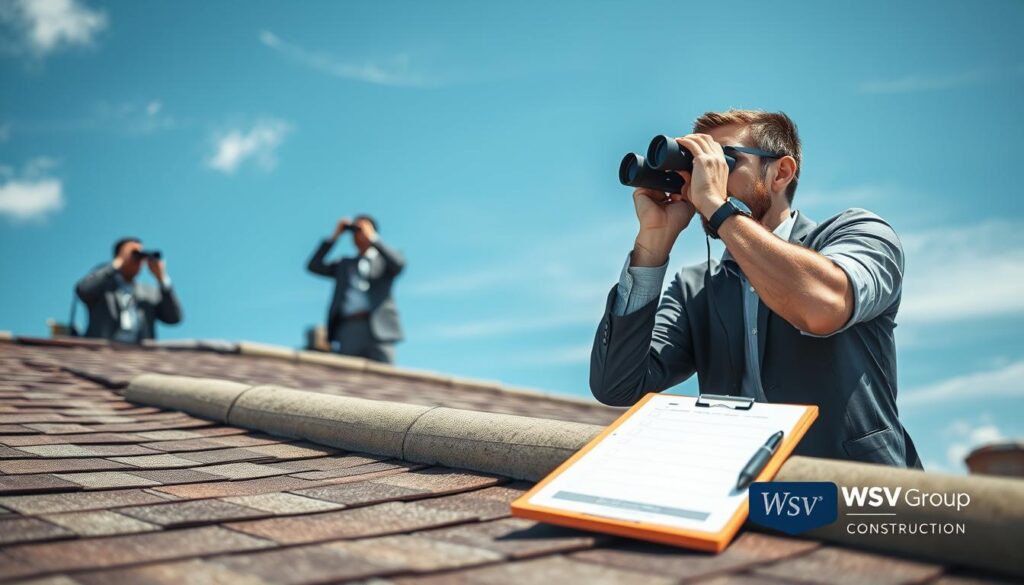
Resources for Florida Homeowners
Keeping your roof in top shape is key in Florida. The weather can be tough, and you need to protect your home. Luckily, there are many resources to help you out.
Reliable Professionals
Local roofing contractors are experts in fixing roofs damaged by weather. They can give you advice and services that fit your roof’s needs.
Comprehensive Guides
Home maintenance guides are full of helpful tips. They show you how to check your roof, spot problems, and do regular upkeep. You can find these guides online or at local hardware stores.
Digital Evaluation Tools
Online tools can also check your roof’s condition. They help you see damage, figure out repair costs, and suggest maintenance. Using these tools can keep your roof in great shape, protecting your home and family.
FAQ
What is the importance of a roof inspection checklist for Florida homeowners?
A roof inspection checklist is key for Florida homeowners. It helps spot roof problems early. This keeps your home safe and secure.
How often should I inspect my roof in Florida?
Inspect your roof twice a year. Do it in spring and fall. Also, check after severe weather like hurricanes.
What are some common roof issues in Florida?
In Florida, common roof problems include damaged shingles and missing tiles. Also, look out for cracked tiles, rusted metal roofs, and clogged gutters.
What should I look for during a roof inspection?
Look for damage or wear on shingles or tiles during a roof inspection. Check flashing and seals too. Also, inspect gutters and downspouts and look for attic stains.
How can I ensure my safety while conducting a roof inspection?
For safety, wear proper gear like harnesses and gloves. Work safely with ladders by keeping three points of contact. Know when to call a pro if unsure or uncomfortable.
What are some signs of roof damage that I should look out for?
Watch for stains or water marks inside your home. Look for curling or cracked shingles. Also, check for moss and algae on your roof and gutter issues like sagging or rust.
Can I use tech gadgets to enhance my roof inspection?
Yes, tech gadgets like drones, thermal imaging cameras, and moisture meters can help. They make your roof inspection more effective.
How do I create a comprehensive roof inspection checklist?
To make a detailed roof inspection checklist, include sections for shingles or tiles, flashing, and seals. Also, check gutters and downspouts, and look for attic stains. Customize it for your roof type and needs.
What are the next steps after completing a roof inspection?
After inspecting your roof, list and prioritize repairs. Then, budget for these repairs. If needed, plan for a professional inspection to keep your roof in good shape.
Where can I find resources for further assistance with my roof inspection?
For more help, look for local roofing contractors and comprehensive home maintenance guides. You can also find online tools for roof evaluation to maintain your roof well.