Did you know that over 4.5 million inspections have been conducted for fire protection professionals? This staggering number highlights the importance of fire safety measures, especially during construction. Renovation projects can be exciting, but they also pose significant risks if proper precautions aren’t taken.
Many owners overlook the potential hazards that come with upgrading their properties. Construction sites are often high-risk environments, where the chance of a fire breaking out can increase dramatically. This is why understanding the necessary safety protocols is crucial.
Ensuring that your fire protection systems are up to date can be the difference between a minor inconvenience and a catastrophic event. Our team is here to help you navigate these challenges. We prioritize keeping life safety systems functional, even amidst major changes.
For real-world advice, don’t hesitate to reach out. Your safety is our priority, and we are committed to guiding you through the complexities of renovation projects.
Key Takeaways
- Renovations can pose serious risks if safety measures are not prioritized.
- Proper fire protection is essential to prevent potential disasters.
- Life safety systems must remain operational during construction.
- Consult professionals for guidance on fire safety protocols.
- Stay informed about the latest industry standards for your building.
Understanding Your Fire Safety Systems
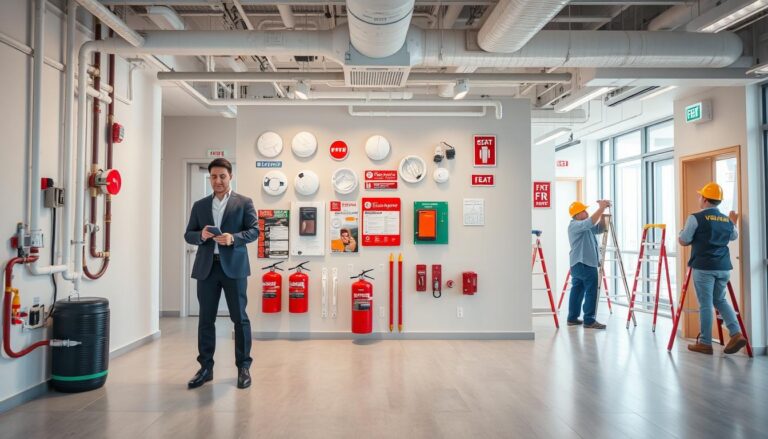
Understanding the different types of fire protection systems is crucial for any renovation project. These systems are designed to protect both property and people. They can be categorized into two main types: active and passive systems.
Active vs. Passive Fire Protection
Active fire protection systems, such as fire alarms and sprinklers, are designed to take immediate action when they sense heat or smoke. These systems play a vital role in alerting occupants and suppressing fires quickly.
On the other hand, passive protection systems, including fire-rated walls and doors, help compartmentalize a fire. This is essential for minimizing damage and ensuring the safety of everyone during an emergency.
Key Equipment and Their Roles
Every piece of equipment, from smoke detection sensors to water flow switches, plays a specific role in your building’s overall life safety strategy. For instance, the integration of alarm systems is critical for providing early warnings to all occupants.
Platforms like Inspect Point have logged over 4.5 million inspections, ensuring your equipment is always ready for a code inspection. Maintaining your fire protection systems is not just about meeting regulations; it is about ensuring your site remains a safe place for everyone.
| System Type | Function | Examples |
|---|---|---|
| Active | Responds to fire with immediate action | Fire alarms, sprinklers |
| Passive | Compartmentalizes fire to protect areas | Fire-rated doors, walls |
| Detection | Identifies smoke or heat presence | Smoke detectors, heat sensors |
Explain fire/life safety work in renovations
Renovation projects demand a keen awareness of fire protection measures. A comprehensive approach ensures that safety systems remain functional throughout the process. It’s essential to never disable all protection systems at once. Doing so can lead to dangerous situations.
Implementing a phased construction schedule is vital. This strategy keeps emergency services accessible and maintains clear exit paths while upgrading your fire protection systems. Temporary measures, such as portable water standpipes, are crucial when permanent systems are offline. They provide firefighters with immediate access to water during emergencies.
Managing hazards like dust and debris is equally important. These can interfere with smoke detection, leading to false alarms. Our team works closely with local fire departments to keep them informed about your building’s temporary power and safety status. For more detailed guides, check our website.
We prioritize life safety by installing temporary alarms and lighting. This ensures that your occupants remain protected until the new systems are fully operational.
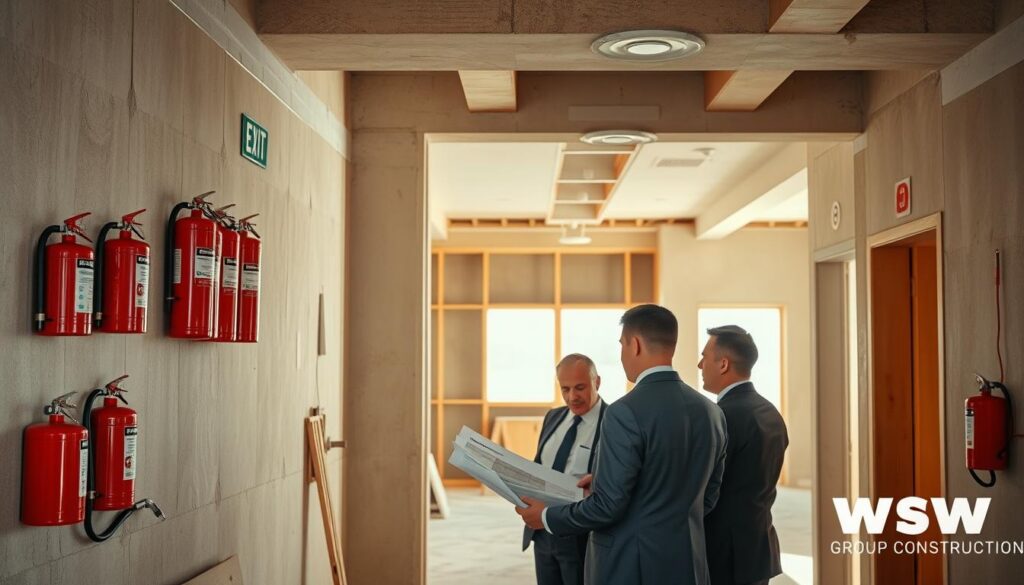
Renovation Challenges: Keeping Your Home Safe While Upgrading
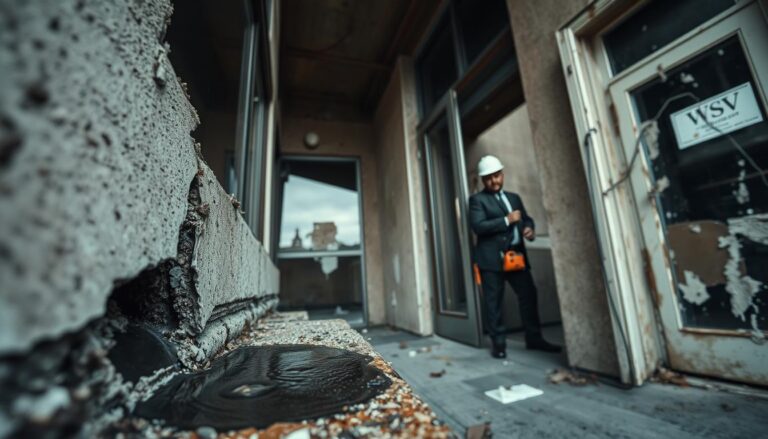
Renovation challenges can pose serious risks if not managed properly. One of the main concerns during construction is the accumulation of combustible materials. Items like plywood and insulation can significantly increase the fire load, creating a hazardous environment.
It is crucial to keep exit paths clear. We’ve witnessed projects where debris obstructs the only way for people to escape. Proper maintenance of fire doors is also essential, as these systems help contain smoke and flames, ensuring safety.
Daily testing of emergency lighting and exit signs is necessary. This ensures they function properly if a building fire occurs during your project. Our team prioritizes maintaining suppression systems, preventing construction dust from causing false alarms or system failures.
We treat your property with respect, ensuring that security and life safety are never sacrificed for the sake of construction speed. Remember, the 1988 First Interstate Bank Building fire serves as a grim reminder of the importance of keeping fire protection systems operational.
Smart Fire Protection Strategies for Renovation Projects
Integrating advanced technology can transform how we approach fire protection during upgrades. Utilizing modern solutions ensures that safety measures are not only effective but also efficient.
One significant advancement is the use of IoT sensors. These devices track air quality and heat patterns in real-time, providing early warnings of potential hazards. This proactive approach is essential for maintaining safety during construction.
Additionally, smart systems can automate responses, such as closing fire shutters or ventilating smoke. This adds an extra layer of protection for your property and its occupants.
| Strategy | Description | Benefits |
|---|---|---|
| IoT Monitoring | Real-time tracking of heat and air quality | Early hazard detection |
| Smart Shutdowns | Isolates construction zones | Maintains operational safety systems |
| Backup Alarms | Temporary wireless alerts | Ensures occupant safety during maintenance |
By prioritizing these smart strategies, you enhance your evacuation capabilities and overall safety during the renovation process.
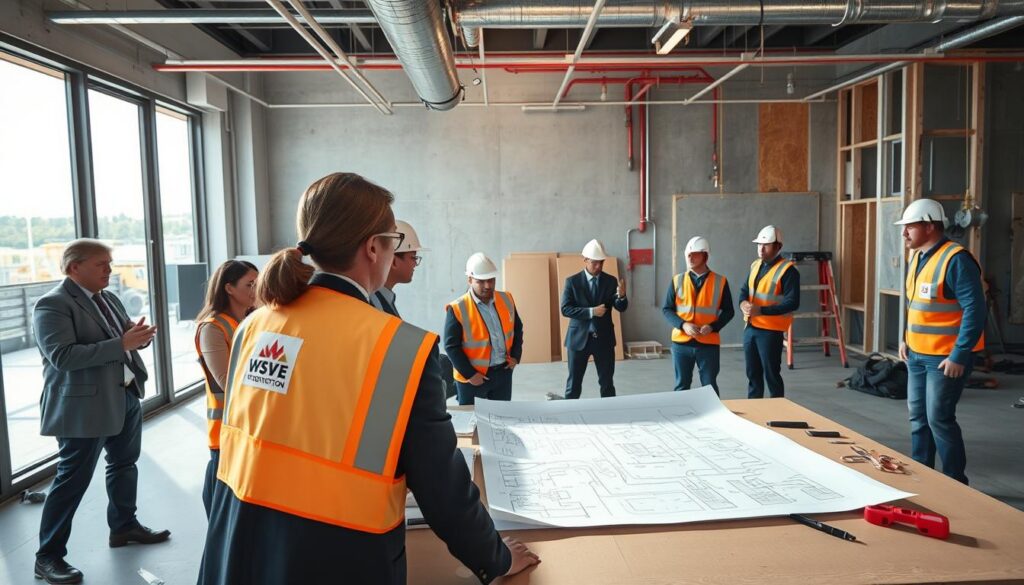
Compliance and Code Essentials During Renovation
Navigating the complexities of compliance is vital during any major construction project. Adhering to fire safety codes not only protects your property but also ensures the safety of all individuals involved.
We strictly follow NFPA 241, which provides essential standards for safeguarding construction sites where fire risks are significantly higher than normal. Between 2010 and 2014, there were an estimated 6,310 fires annually in buildings under construction, proving that code compliance is a matter of life and death.
Furthermore, we ensure your fire alarm and detection systems meet the latest NFPA 101 Life Safety Code requirements, which was last renamed in 2003. Proper suppression and water supply must be maintained at all times, even when your building is undergoing significant structural changes.
- We help you navigate the complex building code landscape to ensure your renovation project does not compromise your insurance or safety status.
- Our team ensures that all emergency lighting and power systems are tested to meet the rigorous standards required for modern commercial buildings.
- We take the guesswork out of compliance, ensuring that every protection system we install is documented and ready for official inspection.
Tips for a Smooth Fire Safety Upgrade Process
Managing a renovation requires careful planning, especially when it comes to safety upgrades. Clear communication with all involved can significantly enhance the process. Keeping everyone informed about fire protection systems is essential to avoid confusion and ensure safety.
Direct Contractor Advice and Real Talk
If you need direct advice on your renovation, call us at (727)-625-1374 or email contact@wsvgroup.com to speak with a contractor who understands your needs. Our approach is straightforward, ensuring you know exactly what your buildings require to stay safe.
Scheduling noisy or dusty construction tasks during off-peak hours is a smart move. This minimizes disruption to your life safety systems and occupants, making the renovation process smoother.
Effective Communication with Occupants
Effective communication with occupants during a renovation can reduce panic. Make sure everyone knows the correct evacuation procedures. It’s vital to inform them when fire protection systems might be temporarily offline for necessary upgrades.
We believe that a smooth process relies on transparency. We keep you updated on every aspect of your fire safety upgrade. Check our website for tips on managing your suppression and alarm systems during the final stages of your renovation project.
| Tip | Description | Benefits |
|---|---|---|
| Clear Communication | Inform occupants about safety measures | Reduces panic and confusion |
| Off-Peak Scheduling | Plan heavy work during quiet hours | Minimizes disruption to daily activities |
| Regular Updates | Keep everyone informed about progress | Enhances trust and cooperation |
Conclusion
Upgrading your property can be a rewarding journey, but it must be approached with caution. Renovating your building is a major undertaking, and it should never come at the expense of your protection systems.
Remember, construction sites are high-risk areas. Maintaining your systems is the best way to prevent a disaster. If you are ready to start your upgrade, call us at (727)-625-1374 or email contact@wsvgroup.com to get the job done right.
We are committed to providing the professional service you need to keep your property and your people safe. Do not wait until an inspection fails to address your needs; take proactive steps today to ensure full compliance.
Thank you for trusting us to help you navigate the complexities of safety during your next upgrade project.