Did you know that nearly 70% of property damage occurs due to unforeseen emergencies? This startling statistic highlights the importance of proactive planning in property management. In Orlando, the risk of flooding, high winds, and storm damage is a reality that many face, especially during tropical storms and hurricane season.
Capital improvement planning shifts your focus from reactive crisis spending to a more strategic approach. This not only protects the value of your rental property but also minimizes disruption for your tenants. Waiting for essential systems like water heaters or HVAC units to fail can lead to higher costs and tenant dissatisfaction.
In this article, we will guide you through identifying weak systems, ranking necessary work, budgeting effectively, and coordinating with contractors. Keeping your tenants informed is crucial, especially when facing potential emergencies. Let’s explore how you can create a solid plan to safeguard your investment and ensure peace of mind.
Key Takeaways
- Proactive planning can save costs and enhance tenant satisfaction.
- Orlando properties face unique risks during storm seasons.
- Identifying weak systems early prevents larger issues.
- Budgeting for improvements ensures financial stability.
- Clear communication with tenants builds trust and reduces disruption.
Understanding Emergency Repairs and Risks
Emergency situations often arise without warning, posing risks to your property and tenants. Recognizing the types of emergencies that can occur is crucial for effective management. Emergency repairs are conditions that affect safety, habitability, and essential services, or have the potential for rapidly increasing property damage.
Consider these common scenarios:
- A burst pipe can lead to flooding, causing extensive water damage.
- A ruptured sewer line may prompt urgent late-night calls from tenants.
- Storms can break windows, exposing interiors to further damage.
- Gas leaks necessitate immediate evacuation and contact with the gas company.
- Electrical hazards can create fire risks, requiring prompt attention.
Addressing these issues swiftly is essential. Delayed action not only increases repair costs but also disrupts tenants, threatens property value, and can lead to legal problems. As one expert states,
“Timely repairs are key to maintaining tenant satisfaction and protecting your investment.”
In Texas, landlords must act promptly on health and safety-related repairs after receiving notice. Local laws may vary, so it’s vital to understand your responsibilities.
Teach property owners how to plan repairs before emergencies happen
Proactive maintenance can prevent minor problems from becoming major emergencies. Assessing urgency is crucial in distinguishing between immediate threats and routine upkeep. For instance, a burst pipe requires swift action to mitigate flooding and mold growth, while a leaky faucet can wait for a scheduled repair.
When prioritizing repairs, focus on issues that impact safety and essential services. Gas leaks, active flooding, and exposed wiring should take precedence over cosmetic fixes. Tenants are often the first to notice problems, so educating them on shutoff valves and emergency reporting is vital.
Assign a severity level to each reported issue. This includes identifying a responsible person, setting a response deadline, and documenting the next steps. Remember, routine maintenance is essential. Ignoring small issues can lead to costly repairs down the line.
Developing a Capital Improvement Plan
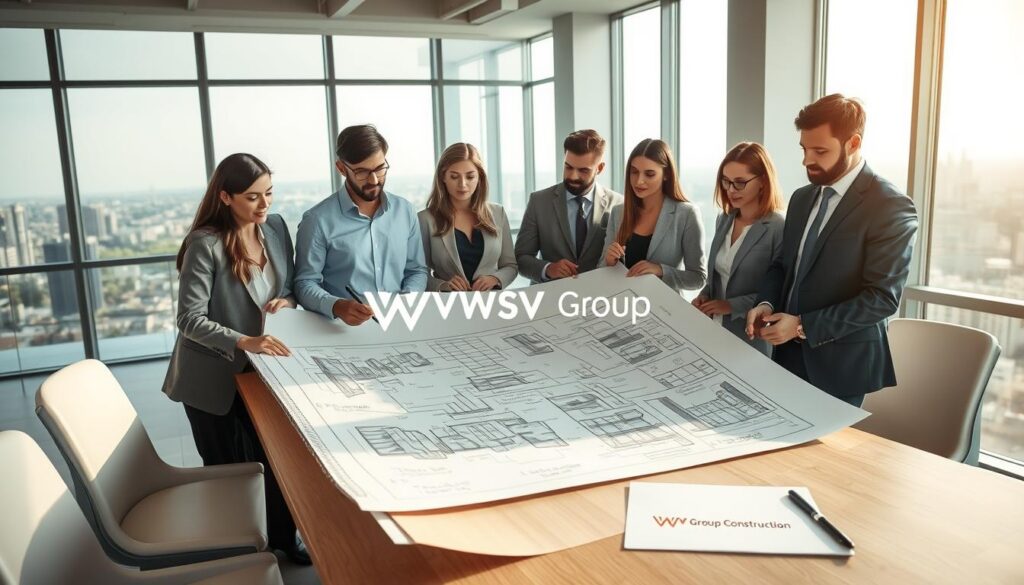
Effective management of your rental property starts with a solid improvement strategy. This plan not only protects your investment but also enhances tenant satisfaction. Follow these steps to create a comprehensive capital improvement plan.
Step-by-Step Planning Process
- Inspect the property, noting the age, condition, and expected service life of major systems.
- Compile a repair list categorizing immediate needs, short-term projects, and long-term improvements.
- Establish a reserve target covering 3-6 months of rental expenses, including mortgage and utilities.
- Set approval limits for emergency spending, ideally between $500-$1,000, to expedite necessary repairs.
- Create a contact sheet with tenants, emergency services, and preferred contractors for quick access.
- Document everything digitally: tenant reports, invoices, and repair actions to maintain clear records.
- After each emergency, review and update your plan, adjusting budgets and priorities as needed.
| Action Item | Description | Frequency |
|---|---|---|
| Property Inspection | Assess systems’ condition and lifespan | Annually |
| Emergency Fund | Maintain savings for urgent repairs | Ongoing |
| Contact Updates | Ensure all contacts are current | Quarterly |
Effective Communication with Tenants and Contractors
Clear communication is essential in managing tenant relationships and emergency situations. Establishing effective dialogue helps ensure that tenants feel supported and informed. This can make a significant difference during emergencies.
Here are some strategies to enhance communication:
- Provide tenants with a single emergency phone number. Explain that issues like flooding, gas odors, and fire hazards require immediate attention, regardless of the hour.
- Instruct tenants on when to call 911 for emergencies, when to shut off water if safe, and how to submit routine maintenance requests through an online portal.
- Keep communication factual. State what has occurred, what is being done, and when the next update will be available.
- Outline clear expectations for contractors regarding response times, pricing, and tenant interactions.
- Maintain multiple contacts for contractors to avoid delays during high-demand periods.
- Regularly confirm contact information for owners, tenants, insurers, and vendors to prevent unnecessary delays.
For 24/7 emergency support, call (727)-625-1374. This ensures peace of mind for both you and your tenants.

Preventative Maintenance and Long-Term Strategies
Regular maintenance is vital for the longevity of your rental investment. By implementing routine inspections, you can catch small issues before they escalate into costly repairs. This proactive approach not only protects your property but also ensures tenant satisfaction.
Focus on key systems such as plumbing, HVAC, roofing, and electrical. Schedule regular assessments instead of waiting for tenants to report problems. Seasonal maintenance is also crucial; for example, clean gutters and service sump pumps before severe weather.
Regular Inspections and Preventive Repairs
- Inspect plumbing and HVAC systems to prevent breakdowns.
- Check roofing for leaks and wear, especially after storms.
- Update outdated wiring and plumbing to avoid safety risks.
Budgeting, Insurance, and Risk Mitigation
Review your landlord insurance policy to ensure it covers sudden damages like burst pipes or storm leaks. Remember, standard policies often exclude flood damage, so consider additional coverage. Documenting your preventive maintenance can also support insurance claims and may lower your premiums.
| Action Item | Description | Frequency |
|---|---|---|
| System Inspections | Assess plumbing, HVAC, and electrical systems | Bi-Annually |
| Seasonal Maintenance | Prepare for severe weather with gutter cleaning | Annually |
| Insurance Review | Ensure coverage for all potential risks | Annually |
Conclusion
Every investment in your rental is an opportunity to enhance safety and value. A capital improvement plan is essential for identifying aging systems and scheduling timely maintenance. This proactive approach helps reduce disruptions from emergencies.
Remember, issues like active flooding, gas leaks, and electrical hazards require immediate attention. Clear instructions for tenants and reliable contractors are crucial for protecting both people and properties.
Preventive maintenance is often cheaper and less disruptive than dealing with emergencies after damage has occurred. Review your plan after every repair, replenish reserves, and keep emergency contacts handy.
Your home causing you trouble? Call us at (727)-625-1374 or email contact@wsvgroup.com.