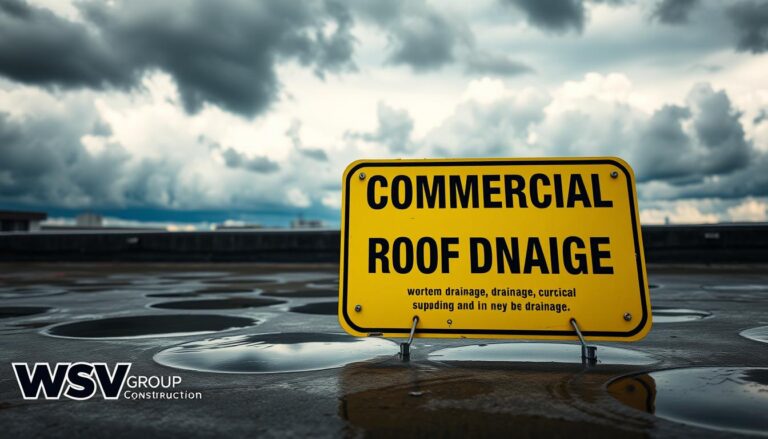
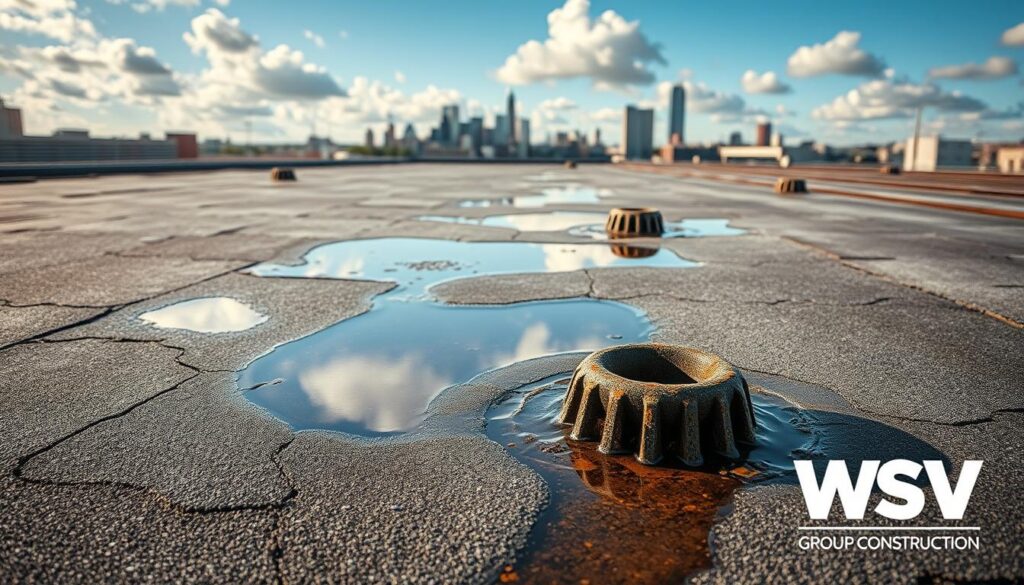
Did you know that approximately 30% of commercial roofs experience ponding water at some point? This surprising statistic highlights a critical issue that many property owners overlook. Ponding water is not merely an inconvenience; it serves as a significant warning sign for your roof’s health.
While standard inspections focus on visible damage, it’s essential to dig deeper into how effective water drainage impacts the long-term integrity of your building. The National Construction Code, published by the Australian Building Codes Board, sets forth specific performance requirements for roofing systems. Compliance with these regulations is crucial for maintaining a weatherproof structure.
Ignoring standing water can lead to severe structural damage, jeopardizing the safety of your home or business. This article aims to provide straightforward advice on addressing these roofing issues before they escalate into costly replacements.
Key Takeaways
- Ponding water is a critical warning sign for roof health.
- Standard inspections may overlook drainage issues.
- Compliance with building codes is essential for roofing systems.
- Standing water can lead to significant structural damage.
- Addressing issues early can prevent costly repairs.
Understanding Commercial Roof Drainage
Many property owners overlook the fact that commercial roofs often struggle with excess water. Proper drainage serves as the primary defense against roofing problems. Dakea has identified twelve common issues that frequently arise from inadequate water management.
When gutters fail to channel water away effectively, serious roofing problems can occur. These issues require immediate attention from a qualified company to prevent further damage. Professional roofers emphasize the importance of a well-designed drainage system to avoid debris buildup, which can block drainage paths.
Neglecting routine maintenance invites water to accumulate on your roof, one of the most common problems reported today. To keep your roof in top condition throughout the changing seasons, a thorough inspection of your drainage system is essential.
Identifying the Warning Signs of Ponding Water
The presence of standing water on your roof can indicate serious underlying issues. Early detection is key to preventing further damage. You can spot ponding water early by looking for persistent damp patches or water stains on your ceiling during a routine roof inspection.
The National Construction Code requires that your roof meets strict weatherproofing standards. Ignoring pooling water can lead to a failed inspection report. If you see water damage inside your building, it is a clear sign that your roof is already suffering from structural issues that need repairs.
Regular roof inspections are the most cost-effective way to identify these problems before they escalate into major structural damage for your property. When you ignore these warning signs, you risk having your insurance claim denied because the damage resulted from deferred maintenance rather than a sudden event.
| Warning Signs | Possible Consequences | Recommended Actions |
|---|---|---|
| Persistent damp patches | Structural damage | Schedule an inspection |
| Water stains on ceilings | Failed inspection report | Repair leaks immediately |
| Visible water accumulation | Insurance claim denial | Regular maintenance checks |
How Pooling Water Can Damage Your Roof
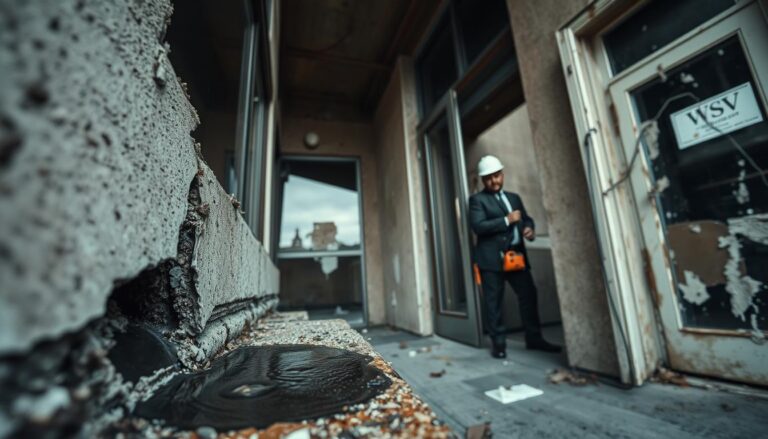
Pooling water on your roof can create significant risks that are often ignored. Flat roofs, which typically have a pitch between one and five degrees, are particularly vulnerable to water intrusion if the drainage system fails. This added weight from pooling water puts immense structural pressure on your roof, leading to sagging or even total collapse over time.
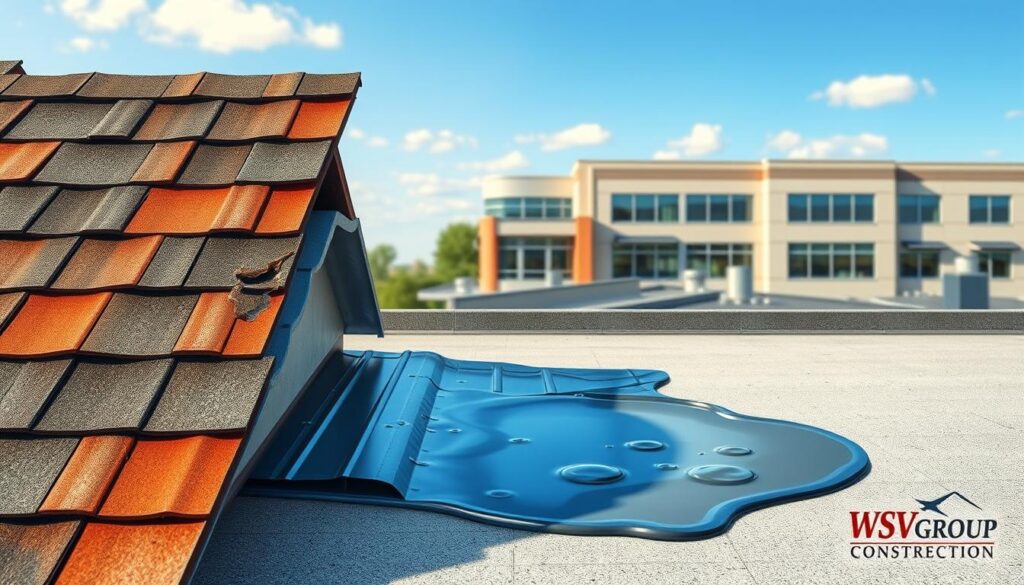
During your inspections, it’s crucial to pay close attention to the flashing around vents and chimneys. This is where water often enters the building, causing unseen damage. If your gutters are clogged, water will back up, causing significant damage to the fascia and the underlying structure of your home.
Extreme weather events can exacerbate these issues, turning a minor leak into a major roofing disaster. To avoid costly repairs, ensure that your drainage systems are functioning properly and conduct regular maintenance checks.
Create a roofing topic that is different from inspection
Understanding the complexities of your roof can save you from unexpected issues. To truly protect your home, you need to look beyond a basic roof inspection and grasp the underlying mechanics of your roofing system.
Professional inspectors utilize specialized tools, such as moisture meters and thermal imaging cameras, to find hidden water issues that a basic visual check would miss. These advanced techniques are crucial for identifying problems before they escalate.
If you want to avoid costly repairs, it’s essential to educate yourself on how different roofing problems manifest in your specific climate. A reputable roofing company will provide insights that go far beyond a standard checklist, helping you maintain your roof for years to come.
When you conduct regular roof inspections, you are taking a proactive step to ensure that your property remains safe and compliant with building standards.
Common Roofing Materials and Their Vulnerabilities
Understanding the various types of roofing materials can help you identify potential vulnerabilities. Each material comes with unique characteristics that affect its performance and longevity.
For instance, slate roofs are exceptionally durable, lasting between 75 and 100 years. However, they require specialized installation skills due to their weight.
Asphalt shingles are a popular choice, but they can suffer from UV degradation and granule loss, leading to water damage over time. It’s crucial to monitor their condition during inspections.
Metal roofing, such as Colorbond steel, is fire-resistant but can corrode if the flashing isn’t installed correctly. Regular checks can prevent serious issues.
When you perform roof inspections, ensure you check the condition of your tiles or shingles for cracks or displacement. Different roofing types have unique vulnerabilities, and your inspection report should detail the specific maintenance needs for your chosen material.
- Slate roofs require specific structural support.
- Asphalt shingles are prone to UV damage.
- Metal roofs need proper flashing to avoid corrosion.
- Inspect tiles or shingles for cracks or displacement.
- Understand your material’s unique vulnerabilities for effective maintenance.
Expert Insights from Professional Roofers
Regular roof inspections can uncover hidden issues that could lead to significant damage if ignored. Experienced roofers often find that the most common problems, such as water damage, arise from inadequate maintenance in the gutter area.
In my experience, a high-quality roof installation is crucial for preventing leaks. However, even the best roofs need to be inspected after extreme weather events. I have seen many homeowners lose their insurance coverage because they failed to have their roof inspected after a major storm caused visible roof damage.
When you call a professional to assess your house, they will check the flashing and the condition of the roof. This ensures that no debris is blocking the water flow. Learning from past roofing jobs, we know that a detailed report is essential to document the quality of the work and the current state of the roof.
Weather Impact and Maintenance Practices
Extreme weather events can significantly impact the longevity of your roofing materials. Heavy tropical downpours and coastal salt spray are common culprits that accelerate deterioration. These harsh conditions can lead to serious problems if not addressed promptly.
It’s essential to ensure your roof is inspected after any extreme weather to catch potential damage early. Regular maintenance is vital to keep your roof in good condition against the challenges posed by local climates.
If you live in an area prone to severe weather, prioritize clearing debris from your gutters. This simple act can prevent water from backing up and causing leaks. Additionally, your insurance company may require proof of regular maintenance, so keep a detailed report of all inspections and repairs.
- Extreme weather can accelerate roofing material deterioration.
- Inspect your roof after severe weather events.
- Regular maintenance keeps your roof in good condition.
- Clear debris from gutters to prevent water backup.
- Maintain records of inspections for insurance purposes.
Preventative Measures to Avoid Costly Repairs
Preventing costly roof repairs starts with understanding basic maintenance practices. Taking care of your roof can save you significant money in the long run. Regular attention to your roof’s condition is essential to avoid unexpected damage.
Routine maintenance, such as cleaning your gutters twice a year, is one of the most effective ways to prevent water damage. If you notice a small leak, you should call a professional immediately. Delaying repairs will only increase the total cost of the damage.
Regular roof inspections help you identify issues like cracked flashing or missing shingles before they become major problems. By investing in professional inspections, you ensure that your roof remains in top condition and meets the requirements of your insurance policy.
| Action | Benefit | Frequency |
|---|---|---|
| Gutter Cleaning | Prevents water damage | Twice a year |
| Roof Inspections | Identifies issues early | Annually |
| Immediate Repairs | Reduces overall costs | As needed |
When to Call in a Professional Roof Contractor
If you notice troubling signs on your roof, it might be time to seek professional help. Recognizing the right moment to reach out to a roofing expert can save you from costly repairs. Here are some signs your roof needs immediate attention:
Signs Your Roof Needs Immediate Attention
- Water stains on your ceiling indicate potential leaks.
- Sagging areas suggest structural issues that need urgent assessment.
- Visible damage after a storm could lead to further complications.
Contacting a Trusted Contractor – Call (727)-625-1374 for Direct Help
Don’t wait for a small issue to become a disaster; call professional help to get your roof inspected and repaired the right way. We are straight-talking contractors who actually do the work, so we will tell you exactly what is wrong with your roof without any fluff. Here’s why you should contact us:
- We have the experience to handle any roofing problems.
- We ensure your home stays dry and your insurance remains valid through proper maintenance.
- Our inspections help you avoid unexpected damage and costly repairs.
Conclusion
Ponding water is a serious warning sign that your roof drainage system is failing and requires immediate attention to prevent structural damage. Regular roof inspections are the most effective way to catch minor issues before they turn into expensive repairs for your home.
Always choose a professional roofing company that understands the specific material vulnerabilities and weather conditions of your local area. Keep your insurance coverage intact by maintaining a clear record of all inspections and repairs performed on your property over the years.
If you are unsure about the state of your roof, do not hesitate to call for a professional assessment to ensure your safety and peace of mind.