Did you know that nearly 25% of all construction projects face delays due to inadequate preparation? This statistic highlights the importance of thorough groundwork before any major work begins. Whether you’re considering a small renovation or a complete teardown, it’s crucial to have a solid plan in place.
When a structure needs to come down, the process is more than just swinging a wrecking ball. It involves a series of essential steps that ensure safety and compliance with regulations. Each building presents unique challenges that must be addressed. This is where professional guidance becomes invaluable.
Our team is dedicated to providing you with the information you need. If your home is causing you trouble, don’t hesitate to reach out. Call us at (727)-625-1374 or email contact@wsvgroup.com for expert advice tailored to your specific situation.
Key Takeaways
- Proper groundwork is essential to avoid delays in your project.
- Every structure has unique needs that require careful planning.
- Safety is a top priority in any demolition process.
- Professional services can guide you through the complexities of the project.
- Reach out for personalized assistance to navigate your specific needs.
Setting the Foundation: Preparation and Permits
Proper site preparation lays the foundation for a smooth demolition process. Before you begin any work, it’s essential to conduct a thorough site assessment. This assessment evaluates the building, surrounding property, and nearby utility lines. Understanding these elements is crucial for determining the safest removal methods.
Professional services, like those offered by Lazer Companies LLC, ensure that your site preparation meets all local construction codes and safety standards. Skipping permit requirements can lead to heavy fines and stop-work orders. Therefore, securing the necessary permits is non-negotiable.
Additionally, effective planning during the preparation phase allows you to identify hidden utilities that could pose risks during demolition. A professional assessment guarantees that the construction site is ready for the next phase of development without unexpected delays.
Safety First: Hazard Identification and Management
Safety is the cornerstone of any successful demolition project. It is essential to conduct a thorough assessment of potential hazards before any work begins. This step not only protects your team but also ensures compliance with safety regulations.
Performing risk and asbestos inspections is critical. You must identify hazardous materials to prevent exposure to your workers and the surrounding environment. Certified inspectors should evaluate the site to manage these risks effectively.
Following OSHA standards is not optional; it is the baseline for safety management. Our team enforces strict safety protocols, including the use of personal protective equipment. This approach mitigates the risks inherent in structural demolition.
Regular safety briefings keep the entire team aligned on site risks. Everyone must know how to respond to emergencies, ensuring a safe working environment. By prioritizing safety, you can avoid costly delays and create a secure demolition process.

Choosing the Right Demolition Method
Selecting the right method for tearing down a structure is crucial for a successful project. The approach you take can significantly affect safety, efficiency, and compliance with regulations.
For most residential structures, non-explosive methods are the standard. Techniques such as using excavators or wrecking balls ensure a safe demolition process. These methods utilize hand tools, sledgehammers, and high-reach excavators for medium-sized buildings.
On the other hand, implosive methods are reserved for taller buildings. This technique uses explosives to collapse the structure into its own footprint or sideways. It is essential to evaluate the structural integrity of the building to determine which method is appropriate.
Professional crews employ specialized equipment to match the demolition method with your project’s specific needs. A thorough assessment of structural supports helps decide whether mechanical or explosive techniques are necessary for efficient removal.
https://www.youtube.com/watch?v=rSVy1Q9UF4E
Efficient Debris Removal and Waste Management
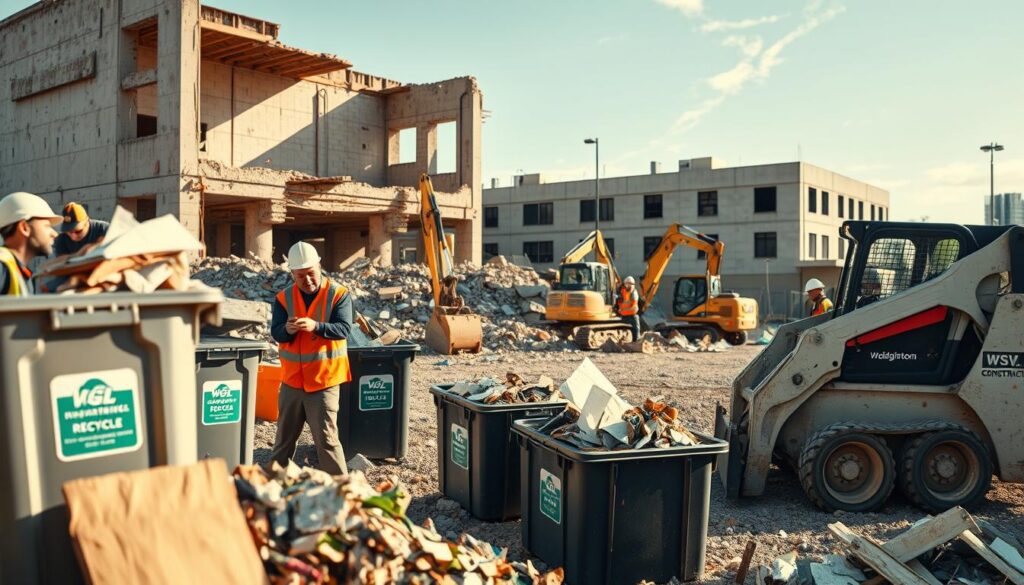
Efficient waste management is crucial for a successful demolition project. It ensures that the site remains safe and ready for the next phase of work. By implementing a comprehensive strategy, you can prioritize recycling and proper disposal to minimize the environmental impact of your project.
Our team coordinates hauling operations to guarantee that all construction debris is transported to authorized facilities in line with local regulations. Proper planning for waste disposal prevents the accumulation of hazardous materials on-site, keeping the area clean and compliant.
We also sort materials on-site to maximize recycling efforts. This practice is a key component of responsible demolition and site management. Remember, “The environment is not a place to visit. It is home.” (Gary Snyder)
Effective Communication and Detailed Planning Steps
Successful execution of a demolition project hinges on clear communication and a well-structured plan. A comprehensive demolition plan outlines the sequence of operations and specifies which methods apply to each section of the building. This clarity is vital for ensuring that every team member knows their role and responsibilities.
Daily toolbox talks are essential for maintaining consistent communication. These brief meetings allow the team to review ongoing tasks and address any safety concerns. By keeping everyone informed, you minimize the risk of errors that could lead to costly delays.
Developing a Clear, Step-by-Step Demolition Plan
Creating a detailed demolition plan is crucial. It not only identifies potential hazards, such as nearby schools or hospitals, but also ensures that the execution aligns with safety priorities. This proactive approach helps in managing risks effectively.
Maintaining Consistent On-Site Communication
Effective management of the project requires daily briefings. These sessions help review the sequence of operations and allow crew members to voice any concerns. Transparent communication is key to preventing missteps during the complex execution of a large-scale demolition.
| Step | Description | Importance |
|---|---|---|
| 1 | Develop a detailed demolition plan | Ensures clarity in operations |
| 2 | Conduct daily toolbox talks | Maintains safety awareness |
| 3 | Identify potential hazards | Prevents accidents |
| 4 | Review operations daily | Addresses concerns promptly |
Practical Ways to Help owners understand demolition planning
Understanding the nuances of a demolition project can seem daunting. However, breaking down the process makes it manageable for anyone involved. Each project has unique characteristics that dictate the best approach, whether it’s for residential or commercial properties.
Evaluating specifics is essential. For instance, you need to consider factors like dust and water runoff, which can affect surrounding areas and the overall timeline. Every job requires a tailored strategy to mitigate these risks effectively.
Breaking Down the Process for Any Project
When planning your project, it’s crucial to distinguish between demolition and dismantling. The latter is a slower process aimed at preserving materials for reuse. In contrast, demolition focuses on the swift removal of structures.
Evaluating Project Specifics and Mitigating Risks
Our team at Lazer Companies LLC offers expertise to evaluate your site. This ensures the foundation is prepared for future construction. You can count on us to address any concerns about the removal process, detailing how we manage each part of your building.
- If you are in Mesa, AZ, and need professional services, call (727)-625-1374 to discuss whether demolition or dismantling is the right approach for your property.
- Every demolition project requires a unique approach to mitigate risks like dust and water runoff.
- Our workers are trained to handle the complexities of any project, protecting your investment.
- Email contact@wsvgroup.com for clear answers about your project, ensuring you don’t pay for unnecessary services.
| Service Type | Description | Focus |
|---|---|---|
| Demolition | Fast removal of structures | Efficiency |
| Dismantling | Careful material recovery | Reusability |
| Site Evaluation | Assessing risks and conditions | Preparation |
Conclusion
Effective preparation is the backbone of any successful construction endeavor. By ensuring thorough groundwork, you can maintain safety and efficiency throughout your project.
Recognizing the difference between demolition and dismantling allows you to make informed choices that protect your budget and property.
Professional services bring the necessary expertise and equipment to handle risks associated with structure removal. Always prioritize safety and compliance to avoid common pitfalls that lead to delays and unexpected costs.
If you’re ready to move forward, reach out to experienced contractors who can provide the clear, honest guidance your project requires.