
As the fall season comes, the weather gets cooler. Your heating, ventilation, and air conditioning (HVAC) system is key to keeping your home comfy. Have you checked your HVAC system’s last maintenance?
Ignoring regular upkeep can cause your system to work less efficiently. This might raise your energy bills and lead to expensive fixes. A simple maintenance checklist can keep your HVAC running smoothly all fall. Need HVAC help? Call us at (727)-625-1374 or Email us at contact@mail.wsvgroup.com.
Key Takeaways
- Regular maintenance is crucial for HVAC efficiency.
- Check and replace filters to improve airflow.
- Schedule a professional inspection for optimal performance.
- Ensure your thermostat is working correctly.
- Clear debris from outdoor units for better airflow.
Why Fall HVAC Maintenance Matters
As the seasons change, your HVAC system’s role shifts significantly, making fall maintenance crucial. This transition period is critical because your system will soon be working harder to keep your home warm and cozy.
Transitioning from Summer to Fall Operation
In summer, your HVAC system cools your home. But as fall comes, it must switch to heating. This transition can be challenging for the system, and without proper maintenance, it may struggle to provide the necessary warmth.
Temperature Fluctuations and System Demands
Fall’s temperature changes put your HVAC system to the test. Proper maintenance ensures it can handle these changes efficiently. A well-maintained system can adapt to temperature fluctuations, providing consistent comfort throughout your home.
Energy Efficiency Benefits
Fall HVAC maintenance also boosts energy efficiency. A well-maintained system uses less energy, saving you money on utility bills.
Reducing Utility Bills During Seasonal Changes
Keeping your HVAC system in top shape reduces energy use during seasonal changes. This saves money and helps the environment. Regular maintenance is key to achieving these energy efficiency benefits.
Extending System Lifespan
Regular maintenance extends your HVAC system’s lifespan. It prevents major issues before they happen, avoiding premature failure.
Preventing Premature Component Failure
Ignoring maintenance can cause component failure, leading to expensive repairs or replacement. Regular inspections and maintenance can identify potential issues early, ensuring your system operates reliably for years to come.
Need HVAC Help? Call us at (727)-625-1374 or Email us at contact@mail.wsvgroup.com.
Understanding Your HVAC System Components
Knowing your HVAC system’s parts is key for it to work well. Your heating, ventilation, and air conditioning (HVAC) system has many important parts. They all work together to keep your home comfortable.
Furnace Components
The furnace is a crucial part of your HVAC system. It heats your home. Here are some key parts:
- Heat Exchangers: These transfer heat from the combustion process to the air circulating through your home.
- Burners: Burners are where the fuel (natural gas, propane, etc.) is ignited to produce heat.
- Blowers: The blower motor and fan circulate the heated air throughout your ductwork.
Air Conditioning Units
Your air conditioning unit cools your home by removing heat from the indoor air. Important components include:
- Compressors: The compressor compresses the refrigerant, playing a crucial role in the cooling process.
- Condensers: The condenser coil releases heat from the refrigerant to the outside air.
- Evaporator Coils: These coils absorb heat from the indoor air, cooling it down.
Ductwork and Ventilation
Proper ductwork and ventilation are crucial for distributing heated or cooled air throughout your home. Key elements include:
- Supply Vents: These vents deliver conditioned air to various rooms.
- Return Vents: Return vents draw air back to the HVAC system to be heated or cooled.
Understanding these components can help you maintain your HVAC system more effectively. It can also help you spot issues early. Regular maintenance and inspections keep your system running smoothly and extend its life.
Tools and Materials Needed for Fall HVAC Maintenance
To keep your HVAC running smoothly in the fall, you’ll need some basic tools and parts. Having the right equipment makes maintenance easier.
Basic Tools Every Homeowner Should Have
Start by gathering essential tools, including:
- Screwdrivers for various tasks, such as removing panels or adjusting components.
- Pliers for gripping and bending parts.
- Multimeters for checking electrical connections and diagnosing issues.
Replacement Parts to Keep on Hand
It’s also important to have replacement parts readily available:
- Filters to ensure clean air and optimal system performance.
- Belts that may need adjustment or replacement.
- Fuses to prevent electrical issues.
Safety Equipment
Don’t forget safety gear:
- Gloves to protect your hands.
- Eye protection to safeguard your vision.
- Respirators to prevent inhaling dust and debris.
Need HVAC Help? Call me at (727)-625-1374 or Email me at contact@mail.wsvgroup.com.
Indoor Maintenance Tasks
To keep your home comfy and your HVAC system working well, focus on indoor maintenance. These tasks help your system run efficiently and last longer.
Thermostat Inspection and Programming
Start by checking your thermostat. Make sure it’s working right. Think about getting a smart thermostat if you don’t have one yet. Proper thermostat settings can really cut down on energy use.
Setting Optimal Fall Temperature Schedules
Set your thermostat to keep your home cozy in the fall. A good plan is to adjust the temperature when you’re not home or sleeping. For example, keep it at 68°F when you’re home and 60°F when you’re out or asleep.
Checking Electrical Connections
Look over the electrical connections in your HVAC system. Loose or corroded connections can cause problems and be dangerous.
Identifying Loose Wires and Preventing Hazards
Search for loose wires and fix any connections that are loose. If you’re not sure how to do this safely, get help from a pro. Regular checks can stop hazards and keep your system running smoothly.
Cleaning Indoor Components
Cleaning the indoor parts of your HVAC system is key for good airflow and efficiency. Dust and debris can build up and slow down your system.
Removing Dust from Blower Assemblies
Turn off your system and gently remove dust from the blower assembly with a soft brush or vacuum. This easy step can boost airflow and ease the load on your system. If you need help or more advice, reach out to a professional HVAC tech.
If you’re dealing with complex problems or are unsure about these tasks, get professional help. Call us at (727)-625-1374 or Email us at contact@mail.wsvgroup.com for HVAC assistance.
Check Filters and Maintain Your HVAC for the Fall Season
Getting your HVAC ready for fall starts with checking and maybe replacing your filters. This simple step can really help your system work better and keep your home cozy.
Types of HVAC Filters
HVAC filters vary in type, each with its own efficiency level. Knowing these differences helps you pick the best filter for your system.
MERV Ratings and Filter Efficiency
MERV ratings show how well a filter catches different-sized particles. A higher MERV means a better filter but also costs more and might slow airflow.
How to Properly Replace Filters
Changing your HVAC filter is easy. Just follow a few simple steps.
Step-by-Step Filter Replacement Guide
- First, turn off your HVAC to avoid debris getting sucked in.
- Then, find the filter housing, often in the return air duct or near the furnace.
- Next, take out the old filter, noting the airflow direction.
- Put in the new filter, making sure it’s right and airflow arrows are correct.
- Finally, turn your HVAC back on and check for leaks around the filter housing.
Optimal Replacement Schedule
How often to replace filters depends on several things. This includes the filter type, how much you use it, and your environment.
Seasonal vs. Monthly Replacement Considerations
Some filters need replacing every month, especially in busy or pollen-heavy areas. Others can go seasonally. Always check your filter often and replace it when needed to keep your system running well.
If you’re not sure about filters or how to change them, get help from a pro. Need HVAC Help? Call us at (727)-625-1374 or Email us at contact@mail.wsvgroup.com for expert advice.
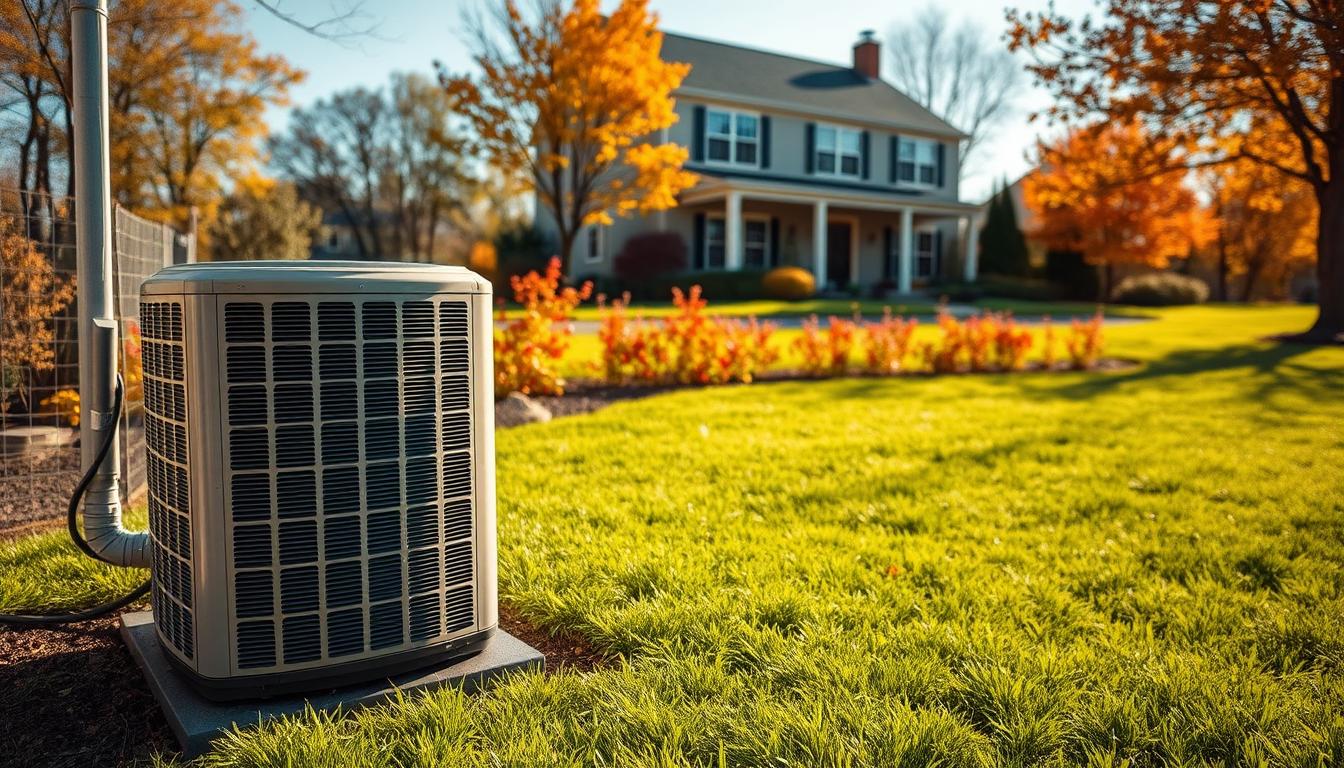
Outdoor Unit Maintenance
Keeping your outdoor HVAC unit in good shape is key for the fall. As the weather changes, your unit needs care to work well.
Clearing Debris and Vegetation
First, remove any leaves, branches, and dirt around your unit. This helps keep air flowing freely and boosts efficiency.
Creating Proper Clearance Around Units
Make sure there’s 12-18 inches of space around your unit. This space is crucial for airflow and protects against damage from plants.
Cleaning Condenser Coils
Dirty condenser coils can hurt your HVAC’s performance. Clean them with a garden hose or a coil cleaning solution.
Safe Cleaning Methods and Products
Use a soft-bristled brush to clean off debris. Stay away from harsh chemicals that can harm the coils.
Checking Refrigerant Levels
Low refrigerant levels might mean a leak. Look for signs like hissing sounds or ice on the coils.
Signs of Refrigerant Leaks
If you think there’s a leak, get a pro to check and fix it.
| Maintenance Task | Frequency | Benefit |
|---|---|---|
| Clear debris and vegetation | Seasonally | Improved airflow |
| Clean condenser coils | Annually | Enhanced efficiency |
| Check refrigerant levels | Annually | Prevents leaks and damage |
Ductwork Inspection and Maintenance
Ductwork inspection is key to keeping your HVAC system running well all year. As the seasons shift, it’s vital to keep your ductwork in top shape. This ensures your heating and cooling work their best.
Identifying Leaks and Damage
Checking your ductwork for leaks and damage is a must. Leaks can cause big energy losses and lower system efficiency.
Cleaning and Sealing Ducts
After finding leaks, it’s time to clean and seal the ducts. This means removing dirt and using sealants to fill gaps.
Improving Airflow Efficiency
Boosting airflow isn’t just about sealing leaks. It also means making sure air flows evenly in your home.
Balancing Airflow Throughout Your Home
To get airflow right, adjust dampers and make sure all vents are clear. This keeps temperatures even in every room.
Need help with your HVAC maintenance? Call us at (727)-625-1374 or email at contact@mail.wsvgroup.com.
Furnace Preparation for Cold Weather
Getting your furnace ready for cold weather is more than just about staying warm. It’s also about keeping your home safe. As it gets colder, your furnace is key to your home’s warmth. Making sure it works well can prevent accidents and save on energy costs.
Pilot Light and Ignition System Check
The pilot light is a vital part of your furnace. If it’s not working right, your heating might not be efficient, or worse, it could be unsafe. To check the pilot light, find it near the burner and make sure it’s lit. If it’s not, you might need to follow the manufacturer’s guide to light it again.
Troubleshooting Ignition Problems
If your furnace uses an electronic ignition, look for any error codes or signs of trouble. Issues like a bad igniter or problems with the ignition control module are common. Check your furnace manual for how to fix these problems or get help from a pro if you’re not sure.
Heat Exchanger Inspection
The heat exchanger is crucial for your furnace. It transfers heat from the burning fuel to the air in your home. It’s important to check it for cracks or damage to avoid carbon monoxide leaks.
Detecting Cracks and Carbon Monoxide Risks
Look for signs of wear, rust, or cracks on the heat exchanger. If you see any damage, it’s important to have it checked or replaced by a pro. This is to avoid the risk of carbon monoxide poisoning.
Blower Motor Maintenance
The blower motor is key for circulating warm air in your home. Keeping it in good shape is important for its efficiency and life span.
Lubrication and Belt Inspection
See if your blower motor needs oil. Some models need oiling periodically. Also, check the belt for wear or cracks. A bad belt can make your motor less efficient or even break it.
| Maintenance Task | Frequency | Importance |
|---|---|---|
| Pilot Light Check | Before Winter | High |
| Heat Exchanger Inspection | Annually | High |
| Blower Motor Lubrication | As Needed | Medium |
Need HVAC Help? Call us at (727)-625-1374 or Email us at contact@mail.wsvgroup.com for professional help with your furnace.
Cost Savings Through Seasonal HVAC Maintenance
Keeping your HVAC system in check seasonally can save you a lot of money. Regular upkeep makes sure your system works well. It also cuts down your energy bills and prevents expensive fixes.
Immediate Energy Bill Reductions
Seasonal HVAC maintenance quickly lowers your energy bills. A well-kept system uses less energy to warm or cool your home.
Percentage Savings from Proper Maintenance
Proper maintenance can cut your energy bills by up to 15%. The exact savings depend on your system’s state and the maintenance quality.
Avoiding Expensive Emergency Repairs
Regular checks spot problems early, avoiding costly repairs in peak seasons.
Common Fall and Winter HVAC Emergencies
Common issues include furnace failures, duct leaks, and thermostat problems. Being ready can save you from these costly emergencies.
Extending Equipment Lifespan
Seasonal maintenance is key to making your HVAC last longer. It keeps all parts working right, delaying the need for new equipment.
Return on Investment for Regular Maintenance
The investment in regular HVAC maintenance pays off. Many homeowners save more than they spend on maintenance over time.
Need HVAC maintenance help? Call us at (727)-625-1374 or Email us at contact@mail.wsvgroup.com for expert assistance.
Humidity Control for Fall Comfort
Fall comfort isn’t just about temperature; it’s also about the right humidity levels. As the weather cools, your home’s humidity can drop. This leads to dry skin and respiratory issues.
Ideal Indoor Humidity Levels
Keeping indoor humidity between 30-50% is key for comfort and health. Proper humidity control prevents dry skin, irritated sinuses, and home damage.
Health Benefits of Proper Humidity
- Reduces the risk of respiratory problems
- Prevents dry skin and itchy eyes
- Helps maintain a healthy environment by controlling mold growth
Humidifier Maintenance
To keep your humidifier working well, regular maintenance is essential. This includes cleaning and sanitizing the device.
Cleaning and Sanitizing Procedures
- Turn off and unplug the humidifier
- Disassemble and clean all parts with a mixture of water and vinegar
- Rinse thoroughly and dry before reassembling
Dehumidifier Transition
As fall arrives, you may need to adjust your dehumidifier usage. In cooler weather, you need less dehumidification.
When to Turn Off Summer Dehumidification
When outdoor temperature drops and your home’s humidity levels decrease, turn off your dehumidifier. Check your home’s humidity level regularly to find the best time.
Need HVAC Help? Call me at (727)-625-1374 or Email me at contact@mail.wsvgroup.com.
When to Call a Professional HVAC Technician
As the weather gets colder, a working HVAC system is key. But when should you call a pro? Your heating system works harder in fall to keep your home warm. Knowing when to get help is important for its efficiency and life.
Signs Your System Needs Professional Attention
Listen for unusual noises, unpleasant smells, or if your system isn’t working right. These signs mean it’s time for a HVAC technician to check it out.
Unusual Noises, Smells, and Performance Issues
Grinding or squealing sounds mean something’s wrong mechanically. Bad smells could be mold or burning parts. If your heating is off or not even, it’s a sign of a bigger problem.
Benefits of Professional Seasonal Tune-ups
Getting a seasonal tune-up from a pro keeps your HVAC running smoothly. It finds problems early, before they get big.
What’s Included in Professional Maintenance
A pro will inspect, clean, and adjust your HVAC. This service makes your system last longer and work better.
Finding a Qualified HVAC Service Provider
Look for a HVAC service provider with the right certifications and experience. Check their references and online reviews to make sure they’re reliable.
Certifications and Questions to Ask
Make sure the technician is certified by NATE or R-410A. Ask them about their experience with your system and how they handle maintenance and repairs. For HVAC help, call (727)-625-1374 or email contact@mail.wsvgroup.com.
Conclusion: Ensuring Year-Round HVAC Efficiency
Keeping your HVAC system in top shape is key for comfort and saving money all year. By following the maintenance tips in this article, your system will work its best, no matter the season.
A seasonal HVAC inspection can spot problems early. Regular upkeep boosts hvac efficiency, makes your equipment last longer, and saves you money in the long run.
If you’re not sure about doing maintenance or if you have HVAC issues, get professional help. A skilled HVAC technician can assist with upkeep, repairs, or checks.
Need help with HVAC or have questions? Call a pro at (727)-625-1374 or email at contact@mail.wsvgroup.com.