
Did you know that HVAC systems account for a staggering 40-60% of total building energy usage? This significant statistic highlights the crucial role these systems play in our daily lives. Understanding how they work can empower you to take control of your home environment.
Since 1913, industry leaders like Trane have been perfecting their systems to ensure your home remains a sanctuary, regardless of external conditions. Your system functions as the respiratory system of your living space, directly impacting your health and overall well-being.
It’s essential to focus on the facts regarding how your air is treated. By moving beyond marketing jargon, you can gain insights into the reality of your indoor environment. Each component of your setup works in harmony to manage the air you breathe. If your home feels stuffy or uncomfortable, it might be time to assess how well your current system is performing.
Key Takeaways
- Understanding your system is the first step to improving your home environment.
- Industry leaders have been refining systems for over a century.
- Your setup directly impacts your daily health.
- It’s important to focus on the facts, not just marketing claims.
- Every component works together to manage the air you breathe.
- Assess your system if your home feels uncomfortable.
Understanding Your Home’s Indoor Air Quality
Research indicates that most people spend over 80% of their time indoors. This makes the air quality in your home a significant factor in your daily health and well-being. Poor indoor air can lead to serious health issues, including chronic headaches, allergies, and respiratory problems.
Your systems are designed to filter out pollutants effectively. However, they can only perform well if they are properly sized and installed. It’s essential to maintain a balance of temperature and humidity, which is crucial for healthy indoor air.
Ignoring the state of your indoor air allows dust and pollutants to circulate freely throughout your home. Many homeowners are unaware of how their systems interact with the air they breathe every day. Understanding this relationship is key to ensuring a healthier living environment.
| Health Issues | Causes | Prevention |
|---|---|---|
| Headaches | Poor ventilation | Regular maintenance |
| Allergies | Dust and mold | Air filtration |
| Respiratory Problems | Pollutants | Humidity control |
Mastering HVAC topic for comfort, air quality, and efficiency
Understanding the energy demands of climate control systems can lead to smarter choices for your home. Many homeowners overlook the fact that these systems account for about 15% of the world’s total energy consumption. This is a staggering amount that highlights the need for efficiency.
As a contractor with years of experience, I can tell you that efficiency is not just a sticker on a box. If your setup isn’t balanced, you’re wasting energy and sacrificing the comfort you pay for every month. Real efficiency comes from proper installation, not just buying the most expensive unit on the market.
To achieve better results, it’s crucial to understand how air moves through your home. Here are some key insights:
- Stop viewing your system as a black box; know how it works.
- Regular maintenance is essential for optimal performance.
- Smart controls can significantly reduce energy costs.
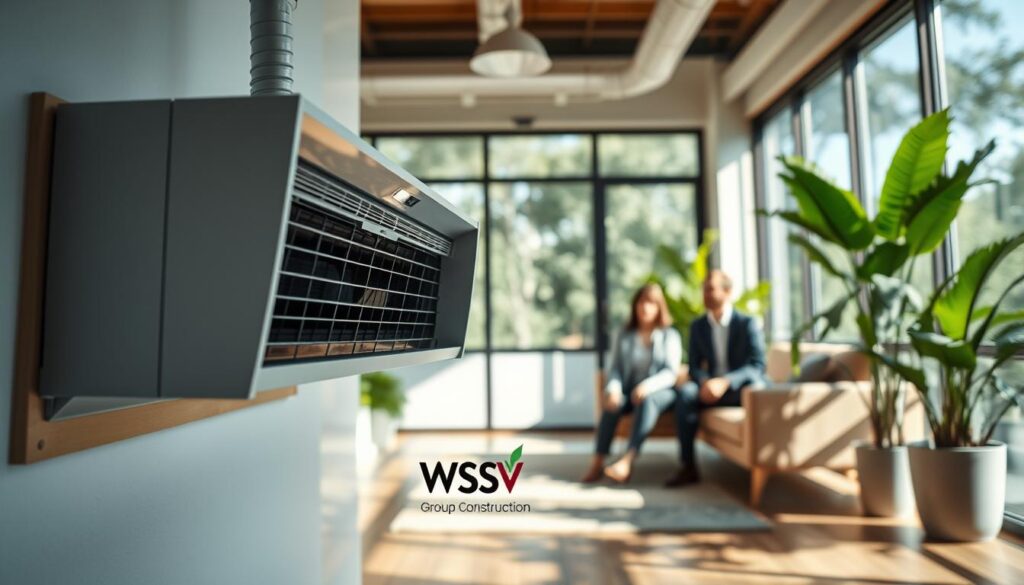
| Insight | Action | Benefit |
|---|---|---|
| Energy Consumption | Balance your system | Reduce waste |
| System Understanding | Educate yourself | Improve performance |
| Smart Controls | Install modern technology | Lower bills |
Construction Details That Impact HVAC Performance
The construction of your home plays a pivotal role in how well your systems operate. The right materials and installation techniques can make a significant difference in performance. If the ductwork is improperly sized or installed, it can lead to serious issues.
Building design and insulation levels directly dictate the load on your conditioning equipment. Here are some key points to consider:
- The performance of your systems is entirely dependent on the quality of the ductwork and the building envelope itself.
- If your building is poorly insulated, your conditioning equipment will run constantly, leading to premature failure and high utility bills.
- Many installations may seem perfect, but if the ductwork is poorly designed, the air never reaches the room.
- You cannot expect high performance from a system if the construction details of your home are working against the airflow.
- Proper installation techniques ensure that your systems can deliver the air where it is needed without losing pressure.
- When evaluating a building, consider how the design forces the system to work harder than it should.
Effective Ventilation Strategies for Healthier Air
Ventilation is a critical factor in maintaining a healthy indoor atmosphere. Proper ventilation ensures that stale indoor air is replaced with fresh outdoor air regularly. This exchange is vital for your well-being.
While natural ventilation, which relies on windows and doors, is free, it can be unreliable. This is why mechanical ventilation is essential for consistent health and air quality. Mechanical systems use fans and ductwork to circulate air throughout your home effectively.
In many cases, we install hvac systems that include balanced ventilation. This setup helps keep your home fresh without introducing excessive humidity. If your home is tightly sealed, mechanical ventilation becomes even more crucial to prevent the buildup of carbon dioxide and pollutants.
Your health depends on the exchange of air. Modern systems are designed to handle this task with precision. Instead of relying on opening a window, consider a controlled ventilation system that filters the air before it enters your living space.

Optimizing Your HVAC System for Energy Efficiency
Optimizing your home’s energy use can significantly reduce monthly bills. Smart technologies are revolutionizing how you manage your energy consumption. These systems can adapt to your actual usage, ensuring that you are not wasting energy.
Regular maintenance is crucial to keep your system running at peak performance. Without it, your setup may not operate as efficiently as promised by the manufacturer. A well-maintained system can save you money in the long run.
We utilize energy recovery ventilators to capture heat from outgoing air. This method is a game-changer for your total energy consumption. In fact, a U-shaped heat pipe heat exchanger in a hospital setting increased effectiveness by 7.64%, showcasing the benefits of recovery technology.
Smart thermostats are also essential. They can predict weather changes and adjust your system accordingly. If you neglect annual maintenance, you could be throwing money away every time your system cycles on.
| Strategy | Action | Benefit |
|---|---|---|
| Smart Controls | Install adaptive technology | Reduce energy waste |
| Regular Maintenance | Schedule annual check-ups | Maximize system efficiency |
| Energy Recovery | Implement recovery ventilators | Lower energy costs |
Dealing with Common HVAC Issues and Ductwork Concerns
Common problems with conditioning systems can often be traced back to the ductwork. Leaky ducts are a primary cause of poor air distribution and can lead to higher energy bills. Ignoring these issues can turn small problems into costly repairs.
Listen for strange noises or notice uneven temperatures in your home. These signs often indicate early failures in your system. Addressing these issues promptly can save you from more significant headaches later.
Durable ductwork is essential for efficient operation. Always seal joints to prevent air loss. If you suspect leaks, remember that you might be cooling your attic instead of your living room. This is a waste of energy and money.
Additionally, handling refrigerant requires specific EPA certification. Never allow unlicensed individuals to work on your core systems. We ensure that every connection is tight and that airflow is balanced throughout your home.
Humidity Control and Allergen Reduction in Your Home
Managing humidity effectively can greatly enhance your indoor environment. Proper humidity control is essential because high moisture levels lead to mold growth, which poses a major threat to your indoor air. If you live in a humid climate, consider installing whole-house dehumidifiers. They help keep your indoor air feeling crisp and comfortable year-round.
If you suffer from allergies, advanced air purifiers are much more effective than standard filters at capturing microscopic allergens. Your systems should be configured to manage humidity independently of temperature. This ensures your home never feels clammy.
By reducing humidity, you also decrease the survival rate of viruses and bacteria that thrive in damp environments. We see a massive difference in comfort when we properly calibrate the humidity control settings on a modern system.
Exploring HVAC Components: From Furnaces to Air Purifiers
Your home relies on various components to maintain a healthy environment. Understanding how these pieces work together is crucial for optimizing performance.
Each system is a collection of specialized equipment, including furnaces for heating and air handlers for circulating air. If you are upgrading, consider the 120V Modular Variable Speed Air Handler. This equipment requires no electrical retrofitting, making it a convenient choice.
Advanced air purification systems are now standard for homeowners who want to remove pollutants that standard filters simply miss. Whether you need heating in the winter or cooling in the summer, every component must be matched for your specific home.
We often pair high-efficiency furnaces with advanced air purification to ensure your home is both warm and healthy. Understanding how your cooling and heating units function together is the key to getting the most out of your investment.
Practical Steps to Upgrade Your HVAC System
Is your home struggling with uneven temperatures or high energy bills? Upgrading your system can significantly enhance your indoor environment. Here are some practical steps to consider:
- If you notice inconsistent temperatures, it’s time to evaluate your setup.
- We assess your building conditions to ensure any new heating or cooling units provide the quality you expect.
- Look for ENERGY STAR-certified systems, which qualify for federal tax credits and can lead to real results in your monthly bills.
- Focus on energy recovery and ventilation to reduce energy consumption long-term.
- Whether you need heat pumps or a full ventilation overhaul, we provide the professional help needed to get the job done right.
- Don’t wait until your system fails; contact us today to discuss how we can improve your indoor air quality.
When to Call for Professional Help
If you’re facing challenges with your system, don’t hesitate to reach out. Call us at (727)-625-1374 or email contact@wsvgroup.com for expert assistance.
Contact Us
Conclusion
Ensuring a healthy indoor environment is essential for your overall well-being. Mastering your system helps protect both your home and health. A well-maintained setup provides the reliability you deserve while maintaining the highest level of indoor air quality.
Keep in mind that the quality of your installation is just as crucial as the equipment you choose. If you have questions or need professional assistance, our team is ready to help you optimize your home environment today.
By taking these practical steps, you can ensure your system runs smoothly for years to come, saving you both money and stress.