As a homeowner, you’ve worked hard to make your home comfortable and efficient. But, it’s easy to forget about your plumbing and sprinkler systems. Keeping them in good shape is key. It ensures you always have clean water and avoids expensive repairs later.
Imagine starting your day with a burst pipe or a broken sprinkler system. It can damage your home and mess up your plans. By being proactive and informed, you can avoid these problems. This way, you can enjoy a stress-free homeownership experience.
Key Takeaways
- Understand the importance of regular plumbing maintenance
- Learn simple tips to keep your sprinkler system in top condition
- Discover ways to ensure a steady supply of clean water
- Explore the benefits of proactive water management
- Find out how to prevent costly repairs and damage to your property
The Value of Water System Maintenance for Homeowners
Keeping your water system in check is crucial to avoid plumbing disasters and save money. Knowing the costs of ignoring your plumbing can help you make smart choices about upkeep and fixes.
Financial Impact of Plumbing Emergencies
Plumbing emergencies, like burst pipes or sewage backups, can hit your wallet hard. The cost of quick fixes and possible home damage can be high. For example:
- Emergency plumbing repairs can cost 3-5 times more than regular maintenance.
- Fixing water damage can add thousands to your bill.
Long-term Damage from Water Issues
Ignoring water problems can harm your home and health over time. Leaks can lead to mold, rot, and structural issues. Regular checks can catch these problems early.
The Return on Investment for Preventative Care
Spending on preventative plumbing care pays off big time. It saves you from expensive emergencies and keeps your plumbing running longer. Here’s why it’s worth it:
- It makes your plumbing last longer.
- It cuts down on your water bills.
- It saves you money on upkeep in the long run.
Essential Tools Every Homeowner Needs for Basic Plumbing Maintenance
Every homeowner should have the right tools for basic plumbing maintenance. This keeps your system working well. Having these tools ready can help fix small problems before they get big, saving you time and money.
Must-Have Plumbing Tools for Your Home
To do basic plumbing maintenance, you need a few key tools. These include:
- A pipe wrench for tightening and loosening pipes
- An adjustable wrench for fitting various pipe sizes
- Teflon tape for creating watertight seals
- A drain snake for clearing clogs
- A plunger for unclogging toilets and drains
When to DIY vs. Call a Professional
Having the right tools is important, but knowing when to use them is key. Simple tasks like tightening faucets or replacing washers can be DIY. But, complex issues like leaking water heaters or burst pipes need a pro.
Organizing Your Plumbing Toolkit for Quick Access
To get the most from your plumbing toolkit, keep it organized and easy to find. Store your tools in a labeled container or on a pegboard. This makes it quicker to find what you need when you have a plumbing problem.
With the right tools and knowledge, you can handle basic plumbing tasks. This keeps your home’s plumbing system running smoothly and efficiently.
How to Maintain Plumbing, Sprinkler System, and Clean Water While Saving Money
Keeping your plumbing, sprinkler system, and water clean is crucial. It helps avoid expensive repairs and lowers your bills. By being proactive, you can extend your systems’ life and save money over time.
Creating a Year-Round Maintenance Schedule
It’s vital to have a maintenance plan for all year. This plan should include regular checks on your plumbing, sprinkler system, and water quality. This way, you can catch problems early and prevent bigger issues.
- Inspect your plumbing system for leaks and damage.
- Check your sprinkler system for proper function and leaks.
- Test your water quality regularly.
Addressing Minor Issues Before They Become Costly Repairs
Small problems can turn into big ones if not fixed. By tackling these issues early, you can avoid expensive fixes and keep things running smoothly.
Regular inspections are key. A small leak in your plumbing can be fixed easily. But, if ignored, it can cause a lot of damage.
Water-Saving Habits That Reduce Utility Bills
Water-saving habits are good for the planet and your wallet. Simple changes in your daily life can make a big difference.
Leak Detection Strategies
Finding leaks early saves water and money. One good way is to monitor your water meter often. A sudden spike in usage might mean a leak.
Efficient Water Usage Practices
Using water wisely can cut down on your usage. For instance, using low-flow fixtures in your home saves water without losing performance.
By following these tips and staying proactive, you can save money. Plus, you’ll keep your home’s systems in top shape.
Keep Your Drains Flowing: Prevention and Maintenance Tips
A well-maintained drain system is key for efficient water usage and avoiding expensive clogs. Regular care saves money and keeps your plumbing running well.
Natural Solutions for Regular Drain Maintenance
For regular care, try natural methods that are good for the environment. Pour baking soda down the drain, then vinegar, and finally hot water. This combo breaks down grease and debris.
- Use baking soda and vinegar monthly to keep drains clear.
- Avoid using chemical drain cleaners that can damage pipes.
- Hot water can help dissolve grease and other substances.
Common Causes of Clogs and How to Prevent Them
Knowing what causes clogs helps prevent them. Hair, grease, and food particles are big offenders. Use drain screens to catch hair and debris before they clog your pipes.
Warning Signs That Require Immediate Attention
Watch for signs of a clog to avoid big plumbing problems. Slow draining, strange noises, or bad smells mean you have a blockage. It’s time to fix it.
Stay alert and keep your drains in check to avoid most clogs. This way, your plumbing stays in top shape.
Water Heater Care: Extending Life and Improving Efficiency
Proper care of your water heater is key to its longevity and efficiency. It’s a big investment, and keeping it in good shape saves money. It also prevents expensive repairs. The maintenance tasks depend on your water heater type.
Annual Maintenance Tasks for Different Water Heater Types
For tank water heaters, annual checks include inspecting the anode rod and checking valves. Flushing the tank removes sediment. Tankless water heaters need descaling and ventilation checks. Heat pump water heaters require filter cleaning and refrigerant system checks.
Signs Your Water Heater Needs Professional Attention
Look out for signs like rusty water, strange noises, or leaks. A big jump in energy bills or cold water also means trouble. These signs show your water heater needs help fast.
Energy-Saving Adjustments for Lower Utility Bills
Lowering your water heater’s temperature to 120°F saves energy. Insulating it and pipes also helps. For tankless water heaters, adjusting the flow rate can save energy too.
By following these tips and making adjustments, your water heater will last longer. You’ll also see your utility bills drop. Regular care and attention are worth it in the long run.
Sprinkler System Maintenance: Seasonal Care Guide
To keep your lawn healthy, adjust your sprinkler system care with the seasons. Proper care saves water and cuts down on utility bills.
Spring Start-Up Procedures
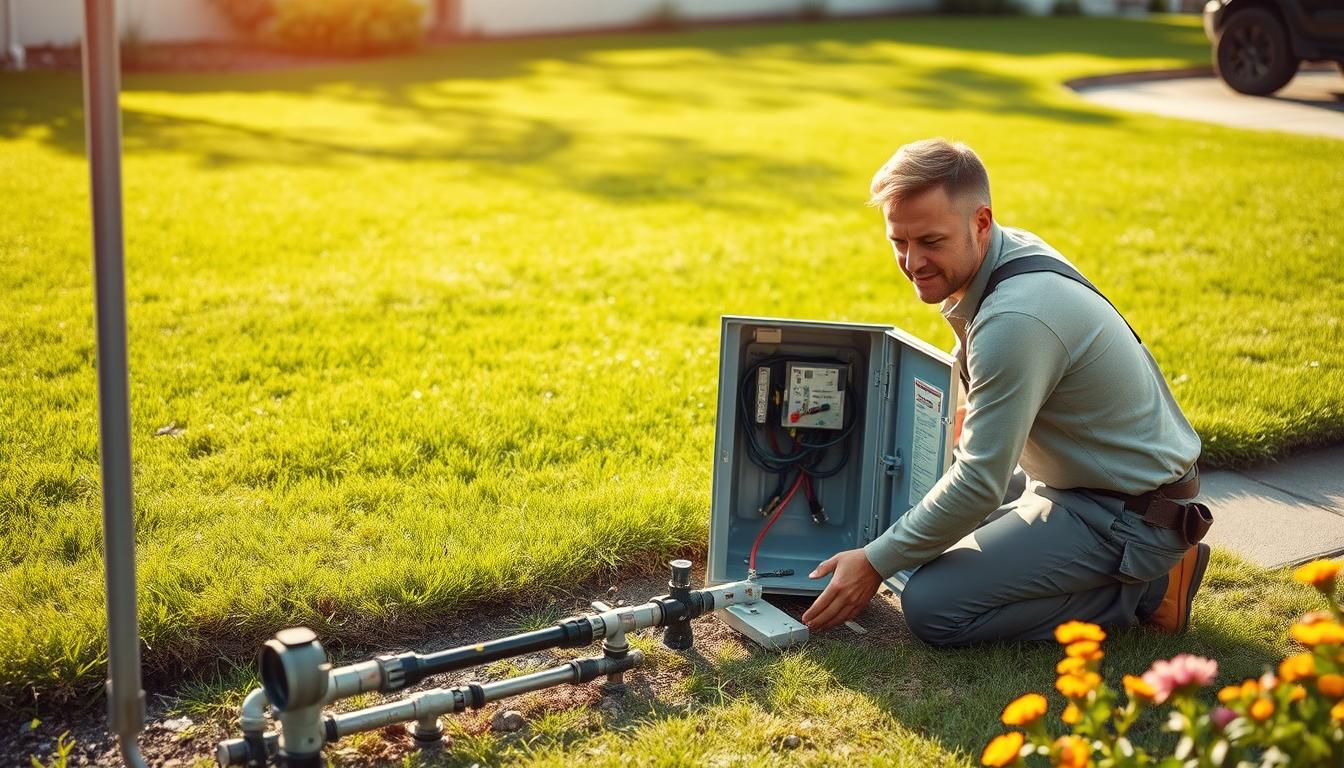
When winter ends, wake up your sprinkler system. First, check for damage from cold or debris. Look for leaks, broken pipes, or faulty sprinkler heads.
Slowly turn on the system, checking each zone. Adjust your watering schedule for spring’s weather.
Summer Performance Optimization
In the hot summer, your system works extra hard. Check sprinkler heads for alignment and clean clogged nozzles. Adjust your watering schedule for weather changes.
Think about using smart controllers. They adjust watering based on weather forecasts.
Fall Winterization Steps
As fall comes, get your system ready for cold. Start by draining the system to avoid pipe bursts.
Blowing Out the System
Use compressed air to clear water from pipes. This is key to avoid freezing.
Protecting Above-Ground Components
Take down and store sprinkler heads and drain valves. Wrap any exposed pipes to keep them from freezing.
Follow these seasonal tips to keep your sprinkler system in top shape. Your lawn will get the right water all year.
Ensuring Clean Water Throughout Your Home
Keeping your home’s water clean is key for your family’s health and your plumbing’s life. You need to know your local water quality, pick the best filtration system, and keep it in good shape.
Understanding Your Local Water Quality Issues
Water quality can change a lot because of where it comes from, how it’s treated, and the pipes it goes through. It’s important to know what’s in your water. Start by looking at your water utility company’s annual report. It will tell you about contaminants like lead, chlorine, bacteria, and more.
“The quality of our drinking water is a critical public health issue. Ensuring that our water is free from contaminants is essential for preventing waterborne diseases.” – Environmental Protection Agency
Whole-House vs. Point-of-Use Filtration Options
Homeowners have two main choices for water filtration: whole-house systems and point-of-use filters. Whole-house systems filter all water coming into your home, offering full protection. Point-of-use filters are set up at faucets or appliances, focusing on specific areas.
| Feature | Whole-House Filtration | Point-of-Use Filtration |
|---|---|---|
| Installation | Installed at the main water line | Installed at individual faucets or appliances |
| Coverage | Filters all water entering the home | Filters water at specific points of use |
| Maintenance | Generally requires less frequent filter changes | Requires more frequent filter changes |
Maintaining Water Purification Systems for Optimal Performance
To keep your water purification system working well, regular care is essential. This means changing filters as needed and cleaning the system now and then.
Filter Replacement Schedules
Different systems need filters replaced at different times. For example, activated carbon filters might need to be changed every 6 to 12 months. Reverse osmosis membranes can last up to 2 years. Always check the manufacturer’s instructions.
System Sanitization Procedures
Cleaning your water system helps stop bacteria from growing and keeps the water clean. This usually involves flushing the system with a cleaning solution and then rinsing it well. Look in your system’s manual for how to do this.
By knowing your local water quality, picking the right system, and keeping it up, you can have clean water at home. Regular care not only makes the water better but also makes your system last longer. This gives you peace of mind and keeps your family healthy.
Winterizing Your Plumbing and Sprinkler Systems: A Step-by-Step Guide
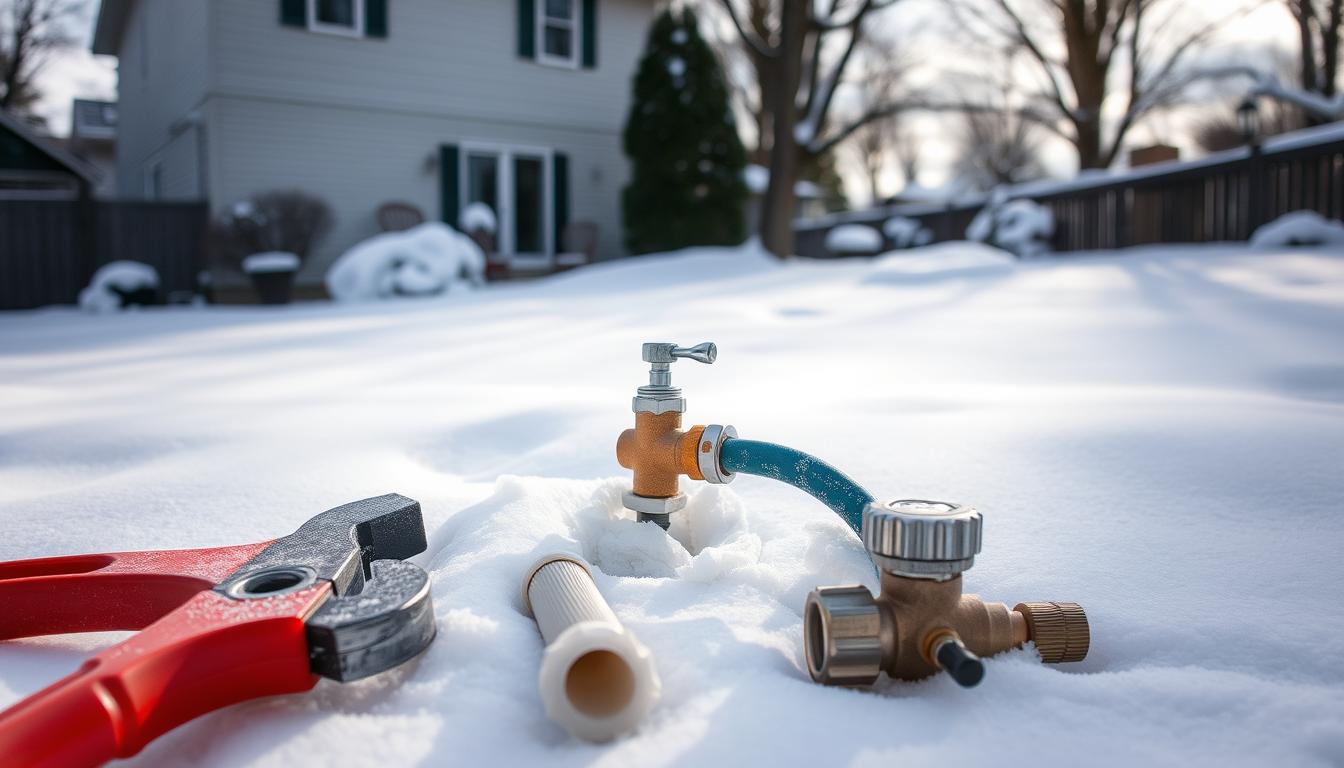
As winter approaches, it’s crucial for homeowners to protect their plumbing and sprinkler systems. Freezing temperatures can lead to serious damage if not prepared for.
Protecting Interior Pipes from Freezing
To stop pipes from freezing, insulate exposed pipes in cold spots like garages, basements, or crawlspaces. Use foam pipe insulation or wrap pipes with heat tape or thermostatically controlled heat cables.
- Disconnect and drain hoses from outdoor faucets.
- Seal any cracks or gaps around windows, doors, and pipes with caulk or spray foam.
- Let cold water drip from faucets served by exposed pipes.
Proper Sprinkler System Shutdown Procedures
It’s vital to shut down your sprinkler system correctly before winter to avoid damage. First, turn off the main water supply to the sprinkler system. Then, drain the system using one of the following methods:
- Manual draining: Open drain valves at the lowest points in the system.
- Compressed air: Use compressed air to blow out the water from the pipes.
- Automatic draining: If your system is equipped with automatic drain valves, ensure they are functioning correctly.
Emergency Preparations for Unexpected Cold Snaps
Even with preparation, unexpected cold snaps can still cause problems. Be ready by:
- Keeping an emergency kit with essentials like flashlights, first aid supplies, and a portable charger.
- Having a list of emergency contact numbers, including your plumber and utility company.
- Staying informed about weather forecasts to anticipate potential issues.
By following these steps, you can safeguard your home’s plumbing and sprinkler systems from winter’s harsh conditions. This ensures they work well and efficiently all season long.
Cost-Effective Home Improvements for Water Efficiency
Making your home more water-efficient is smart for your wallet and the planet. A few simple upgrades can cut down your water use and lower bills.
High-Efficiency Fixtures That Pay for Themselves
Installing high-efficiency fixtures is a top way to cut water waste. Low-flow showerheads and toilets use less water than old ones but still work great. They save water and the energy to heat it, saving you more money.
Smart Water Monitoring Systems for Leak Detection
Smart water monitoring systems are a big help for homeowners. They spot leaks early, stopping expensive damage and water waste. With a smart water monitor, you can see your water use live and get alerts for problems.
Rainwater Harvesting for Sprinkler Systems
Rainwater harvesting is a green way to water your lawn and garden. It lets you use less city water by collecting and storing rain.
Collection System Basics
A basic rainwater system has a tank, treatment, and a way to spread it out. The size of the tank depends on your roof and local rain.
Integration with Existing Irrigation
Connecting your rainwater system to your irrigation is easy. Many modern systems can use rainwater, either directly or from a tank.
With these upgrades, you can make your home more water-efficient. You’ll save money on bills and help the planet.
Conclusion: Protecting Your Home and Your Wallet Through Proactive Water Management
Adopting proactive water management can save you money and keep your home safe. It’s important to keep your plumbing in good shape. This way, you can avoid expensive repairs and save on utility bills.
Regular checks on your plumbing and sprinkler system are crucial. They help prevent problems before they start. By managing water well, you’ll save money and help the environment too.
For homeowners, keeping plumbing and sprinklers in check is a must. It helps you spot issues early and make needed fixes. This way, you’ll enjoy a well-kept home and save money at the same time.