Building a dream home or starting a major project can feel overwhelming. You might find yourself lost in a sea of decisions, timelines, and budgets. It’s easy to get caught up in the excitement, but without a solid foundation, your plans could crumble before they even begin.
Preconstruction is a crucial phase that transforms your ideas into a tangible roadmap. This stage bridges the gap between your vision and the physical structure. It’s not just about drawing blueprints; it’s about strategic planning that sets the stage for success.
In this guide, you will discover why investing in this phase is essential. You’ll learn how to avoid common pitfalls that can derail a project. By understanding the importance of thorough planning, you can save money and reduce stress. With insights from Ben Ashburn, a seasoned expert in construction planning, you’ll gain the clarity needed to move forward confidently.
Key Takeaways
- Preconstruction is vital for transforming ideas into actionable plans.
- Investing in this phase can prevent costly mistakes later on.
- Understanding the process helps you navigate your project more effectively.
- Expert insights can guide you through the complexities of planning.
- A clear roadmap reduces stress and enhances project success.
Introduction to Preconstruction Services
The journey of building a new structure often feels complex and challenging. Preconstruction serves as the strategic phase that bridges the gap between initial plans and the physical activities associated with on-site construction.
According to Ben Ashburn, with over 20 years of experience, this stage is essential for refining project ideas into concrete plans that balance cost and quality. It’s important to recognize that this process is not merely paperwork.
During this critical stage, project managers collaborate with architects to fine-tune designs. Construction managers also use this time to identify potential safety hazards and develop robust mitigation plans before any work begins.
Focusing on this phase is vital. Projects with shaky budgets and negligent designs often break ground but rarely survive the construction phase unscathed.
Why Preconstruction Planning is Essential for Your Project
Navigating the construction landscape can often feel daunting. However, investing time in planning is crucial for a successful project. The American Institute of Architects reports that poor planning can account for up to 30% of wasted costs on residential projects. This is money you should be keeping.
This planning phase creates a clear path forward. It helps you avoid mistakes and keeps your project on track from day one. Without a solid plan, even the most beautiful design can lead to a frustrating build that drains your resources and tests your patience.
We emphasize that this early phase is a critical part of the broader custom home building process. It ensures your vision is actually buildable. You will find that this phase is not about slowing down the construction. Instead, it prepares your project to move forward without unnecessary risk or delay.
Understanding Preconstruction Costs and Budgeting
Managing finances during a building project is often a significant concern. A recent 2023 Houzz survey revealed that 49% of homeowners cited staying on budget as their top priority. This highlights the need for financial clarity throughout the process.
We create detailed, line-by-line budgets based on actual product costs and labor rates. This approach is far more reliable than vague averages that can lead to unexpected expenses.
During this phase, we ensure that design intent aligns with realistic costs. This helps you see where your money is going before signing any contracts. Accurate cost estimation allows for effective resource allocation, ensuring your financial goals are met.
Ultimately, you will learn how to manage your budget effectively. This preparation helps prevent any surprises once construction begins.
The Process Behind Preconstruction Services
Embarking on a construction project can be a journey filled with uncertainties. The preconstruction process is essential for addressing these uncertainties through thorough planning and collaboration.
This phase involves multiple stakeholders working together to define every aspect of the project. Here’s how we ensure a smooth construction journey:
- The process starts with detailed planning and discussions among all parties involved.
- We follow a structured flow from concept to coordinated construction documents, vetting every detail before work begins.
- This phase acts as a crucial handoff, transitioning from “we think we know” to “we are ready to build.”
- We align scope, cost, time, and risk, ensuring that the build starts without surprises that could lead to failure.
- By adhering to this proven process, we set your project up for success, avoiding reliance on chance.
Design Development and Architectural Planning
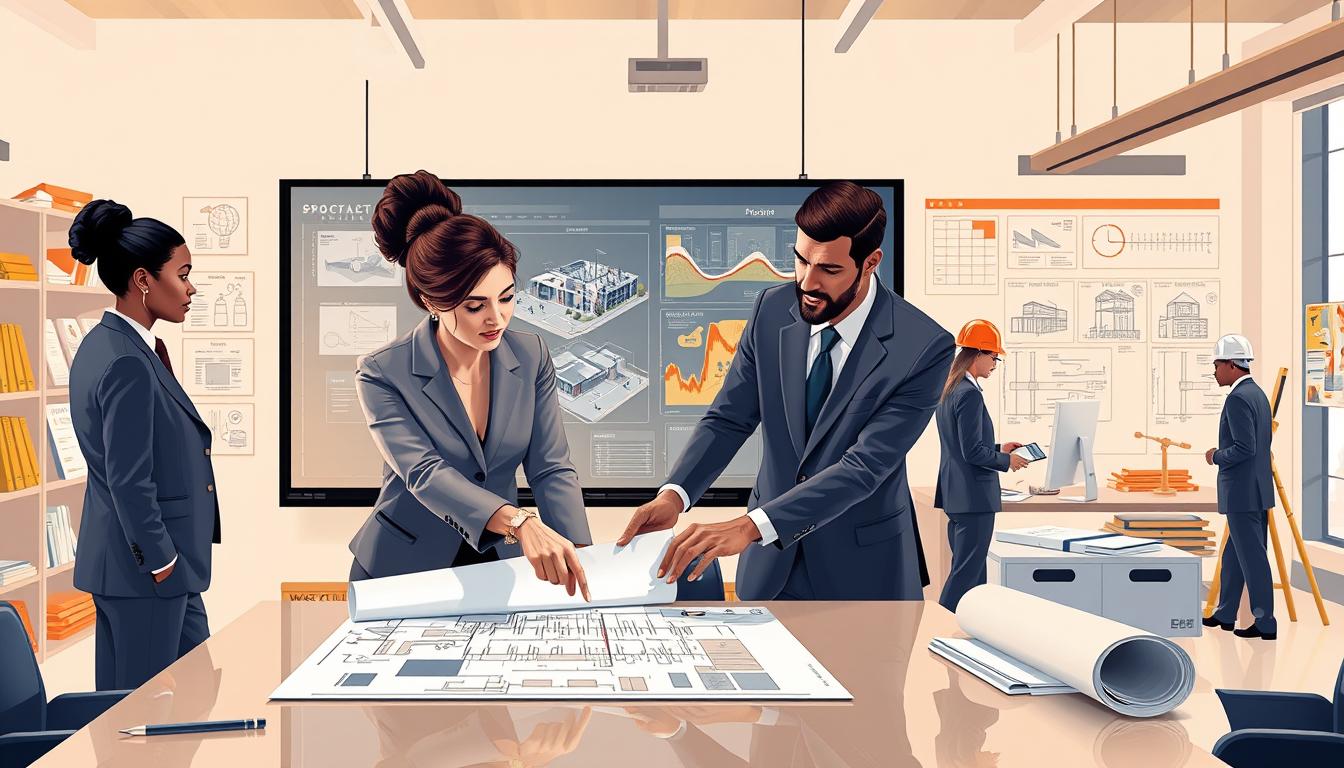
Transforming your initial ideas into a detailed plan can be a complex endeavor. This stage involves refining the preliminary concept into specific project specifications and drawings. These documents detail the methods required for construction.
Collaboration between architects and engineers is essential. Together, they ensure that the building is structurally sound, efficient, and compliant with local building codes. This teamwork is vital for achieving a successful outcome.
Value engineering plays a crucial role early in the process. Value engineers methodically review designs to identify and eliminate unnecessary costs while maintaining quality. This approach helps to ensure that the design meets your functional needs without overspending.
Additionally, integrating interior design early in the engineering process keeps aesthetic goals aligned with construction realities. This collaborative approach prevents conflicts and ensures that the vision remains intact throughout the project.
Contractor Selection and Bid Preparation
Choosing the right contractor can be a pivotal moment in your construction journey. This process often begins with a Request for Qualifications (RFQ) or a Request for Proposals (RFP). These documents help assess a contractor’s past performance, expertise, and financial stability.
Evaluating bids is essential for making an informed decision. We assist you in leveling bids to ensure accurate comparisons, as price often plays a crucial role in your final choice. Here are some key points to consider:
- Selective or negotiated bidding allows you to approach trusted contractors, ensuring higher quality work.
- During contract negotiation, we finalize terms such as payment schedules and scope of work to align expectations.
- It’s vital to ensure that contractors have a deep understanding of project requirements before submitting detailed cost estimates.
Risk Analysis and Mitigation in Preconstruction
Recognizing and managing risks is essential for a successful construction endeavor. During the preconstruction phase, identifying potential risks allows for better planning and execution of your project.
The general contractor typically performs risk identification to plan for cost control, site-specific safety measures, and quality control throughout the project. Here are key aspects of our risk management approach:
- We systematically identify potential risks, such as supply chain issues or soil conditions, and evaluate their possible impact on your project objectives.
- For each identified risk, we decide whether to avoid, transfer, mitigate, or accept it, ensuring that you are never caught off guard.
- Making contingency funds visible and transparent, rather than hidden in a “black box,” is a core part of our risk management strategy.
- You will have a clear owner assigned to every risk, with specific trigger points for action to ensure that problems are resolved before they escalate.
Planning Your Project Timeline and Schedule
Creating a detailed schedule is key to ensuring your construction project stays on track. A construction project is a big undertaking, and developing a realistic timeline allows the team to coordinate the efforts of all stakeholders for timely completion.
We build a full schedule for your project, identifying long-lead items that need to be ordered early to avoid stalling the entire build. A well-structured schedule includes buffers where risk is real, ensuring that your project can absorb surprises without derailing.
We share the logic behind the dates, not just the dates themselves. This way, everyone sees why the sequence of work matters for the project. Getting field input into the scheduling process is the secret sauce to leveling up your plans and ensuring they are actually achievable on site.
The Role of Preconstruction Meetings
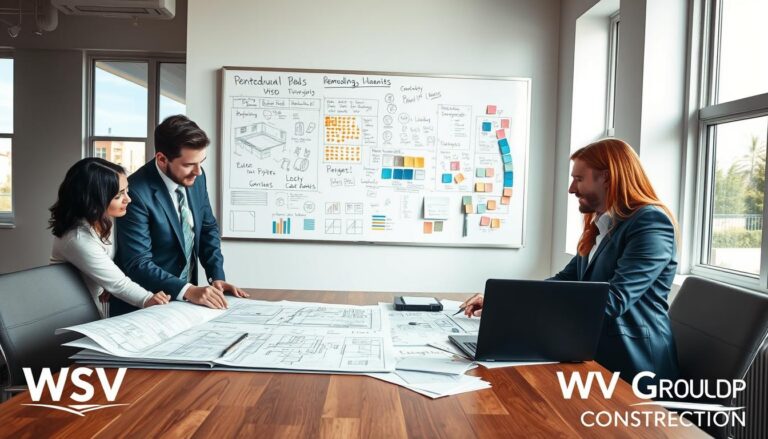
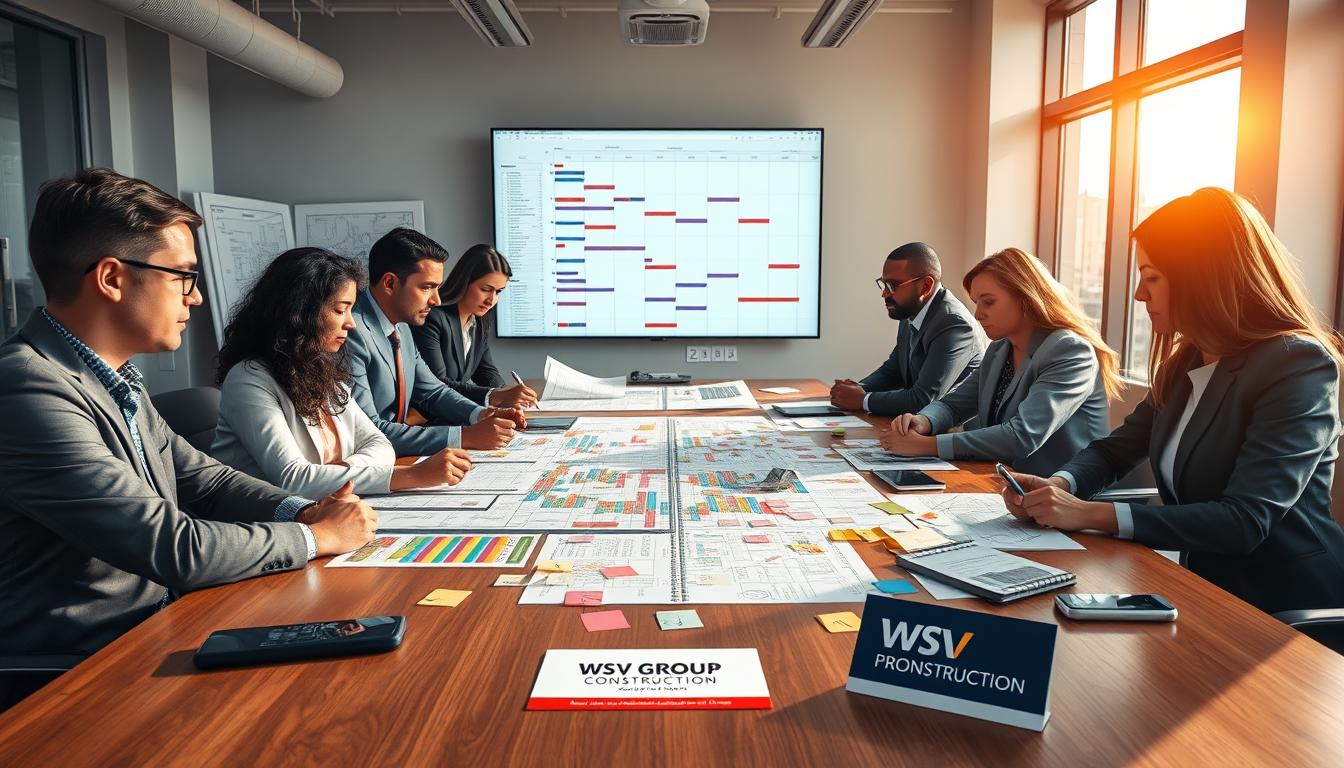
Initiating a construction project requires careful coordination and clear communication. A preconstruction meeting is a great way to level expectations early on in a project regarding roles, deliverables, and the overall decision cadence.
During this meeting, we focus on the important goals of the project, ensuring that everyone on the team knows who signs off on what. This clarity helps to prevent misunderstandings that could lead to delays.
Moreover, keeping the loop tight with short, purposeful meetings prevents small gaps from becoming big issues during the construction phase. We establish clear communication protocols so that miscommunication shrinks and trust grows among the designers, builders, and the project team.
Running a follow-up preconstruction meeting after major design updates is a pro tip that keeps your team aligned and focused on current goals.
| Meeting Aspect | Purpose | Outcome |
|---|---|---|
| Roles | Define responsibilities | Clear accountability |
| Deliverables | Outline key outputs | Aligned expectations |
| Decision Cadence | Set timing for decisions | Efficient progress |
Help owners understand preconstruction like adults: Making Informed Decisions
Starting a construction project involves navigating a complex web of choices. It’s essential to grasp the purpose of your home, as this shapes every aspect of the plan. From the initial design to the final construction requirements, clarity is key.
We provide the data and insights needed to make informed decisions about your investment. You remain in control of the project, but expert guidance is always available. This support ensures you never feel overwhelmed.
To simplify complex choices, we create tools, visuals, and documents. These resources help reduce decision fatigue, allowing you to focus on what truly matters. By aligning your goals with the project requirements, we ensure that your build is strong in both structure and process.
| Focus Area | Importance | Outcome |
|---|---|---|
| Project Purpose | Shapes planning | Clear direction |
| Expert Guidance | Reduces confusion | Informed choices |
| Tools and Visuals | Simplifies decisions | Less fatigue |
Leveraging Preconstruction Software and Tools
Embracing technology in construction can lead to more efficient project execution. Utilizing advanced tools enhances the way you manage your planning and scheduling.
Zac Webster, Executive Vice President at MEC General Contractors, notes that Outbuild has streamlined their schedule-making process and provided increased visibility to stakeholders. This integration is crucial for keeping everyone on the same page.
We connect your planning to weekly work, ensuring that your project stays accurate and ready for the field. Integrating scheduling and budgeting platforms allows everyone to access the same current information, preventing costly surprises once work starts on site.
Look for software that integrates well with your existing systems and is user-friendly for your team. Pairing your preconstruction and construction management software is essential, bridging the gap between planning and execution for every project.
Collaborative Strategies for a Successful Preconstruction Team
Assembling a diverse group of professionals is crucial for a successful construction project. Bringing together architects, designers, engineers, and contractors from the start helps prevent conflicts and keeps the vision aligned.
This collaborative strategy is especially beneficial for clients who are busy or building long-distance. It provides a structured, expert-led process that eases communication and decision-making.
We focus on building trust and alignment from the beginning. This is vital for legacy-driven clients or those managing second homes remotely. Your preconstruction team should include skilled professionals who can guide the project from conception to construction.
When designers, builders, architects, and homeowners work together, the project moves forward with confidence. This synergy significantly improves the quality of the work and ensures that everyone is on the same page.
Site Analysis, Permitting, and Regulatory Compliance
Understanding the legal landscape is vital before starting any construction project. Securing necessary permits during the preconstruction phase helps identify risks and ensures that the project adheres to all legal requirements and zoning codes.
Site evaluation involves analyzing environmental and logistical factors that could impact construction. This ensures the site is suitable and prepared for the project. We collaborate with your architect and local officials to clear the path for permits before we ever begin building on your specific site.
Each site has unique conditions, such as snow load requirements or wildfire zones. These must be addressed to meet regulatory requirements. Missing a permit step can set you back weeks, which is why we include a full permitting strategy in our preconstruction planning phase.
Integrating Design and Construction: A Seamless Transition
Embarking on a construction journey requires careful alignment of design and execution. This integration is crucial for ensuring that your project progresses smoothly from concept to completion.
Coordinating interior design and structural planning early is essential. This proactive approach allows your construction plans to be fully integrated, minimizing the risk of costly, last-minute rework.
Coordinating Interior Design and Structural Planning
By resolving design decisions on paper, adjustments can be made strategically. This prevents disruptions that could arise during the construction phase. Here are some key considerations:
- The later you change something, the more expensive it becomes, which is why managing changes before construction begins is vital for your budget.
- If you shift a wall or change a plumbing location after framing, it might affect five or six other things, from permits to finishes.
- We ensure that your design and construction plans are perfectly aligned so that the transition to the physical build is as seamless as possible.
Managing Changes Before Construction Begins
Effective management of changes is essential. It not only protects your budget but also enhances the overall quality of the project. By addressing potential adjustments early, you can avoid unnecessary complications later.
Real-World Impact: Reducing Delays and Change Orders
When it comes to construction, the stakes are high, and delays can be costly. A recent 2023 McKinsey & Company report revealed that 70% of projects that fail to meet their schedule or budget lacked a clear preconstruction strategy.
In one notable instance, a general contractor successfully completed a 500,000-square-foot warehouse three weeks ahead of schedule by prioritizing preconstruction efforts. This highlights the value of thorough planning.
Projects that skip this essential phase often experience delays of 3 to 5 months, resulting in 10-15% more unexpected costs due to change orders. By investing time in preconstruction, teams can avoid these costly setbacks.
Early planning not only minimizes financial waste but also reduces the emotional stress that comes with managing complex projects. You can achieve smoother execution and better outcomes when everyone is aligned on what needs to happen and when.
Conclusion
Embarking on a building project often presents a series of intricate decisions and steps. Effective preconstruction planning is essential. It safeguards your investment and enhances decision quality. By aligning your goals, budgets, and timelines early, you set a clear path for your project.
Every step in our process is designed to keep your work on track. We ensure your scope is defined and your materials are ordered in advance. Whether you are building a custom home or a commercial space, starting with the right planning is vital for successful execution.
If your home is causing you trouble, call us at (727)-625-1374 or email contact@bsnpmanagement.com to get the professional assistance you need for your next project. Experience the clarity that comes from a well-planned, expertly managed construction journey.