
As the fall season comes near, we know our yards need extra care. A well-kept lawn makes our outdoor spaces look better and increases our home’s value.
To keep your lawn green and lively all year, we must act early. In this article, we’ll share key tips for getting your yard ready for fall. We’ll focus on keeping healthy grass and fighting weeds.
Key Takeaways
- Understand the importance of fall yard preparation
- Learn effective tips for maintaining healthy grass
- Discover strategies for controlling weeds
- Enhance your home’s value with a well-manicured lawn
- Prepare your yard for the changing weather conditions
Why Fall Yard Preparation Matters
The fall season is key for yard prep to get your grass ready for spring. Taking care of your lawn in the fall helps it grow strong and healthy in the seasons ahead.
The Impact of Fall Care on Spring Growth
Fall yard prep sets the stage for a beautiful lawn in spring. By aerating and fertilizing your lawn, you boost its roots. This makes it stronger against winter.
| Fall Care Activity | Benefit for Spring Growth |
|---|---|
| Aeration | Improves soil drainage and reduces soil compaction |
| Fertilization | Provides essential nutrients for root development |
Common Mistakes Homeowners Make in Fall
Many homeowners forget about their lawns after summer. But, skipping fall yard prep can harm your grass. Common mistakes include not adjusting mowing heights, not using pre-emergent herbicides, and forgetting to aerate and fertilize.
By avoiding these errors and being proactive, we can have a healthy lawn in spring.
Assessing Your Yard’s Current Condition
Before starting fall yard maintenance, it’s important to check your lawn’s condition. This step helps you spot areas needing care and plan how to address them.
Identifying Problem Areas
Walk through your yard to find problem spots like weeds, bare areas, or poor drainage. Weeds can harm your grass by taking its water and nutrients. Mark any spots with lots of weeds or other issues.
Creating a Fall Maintenance Checklist
After finding problem areas, make a checklist for fall maintenance. Include tasks like mowing, aerating, and fertilizing. Think about your lawn’s specific needs, like the grass type and local challenges.
| Task | Frequency | Notes |
|---|---|---|
| Mowing | Weekly | Adjust height according to season |
| Aerating | Once a year | Improves soil drainage and air circulation |
| Fertilizing | As needed | Choose a fertilizer suitable for your grass type |
Essential Fall Lawn Care Tools and Supplies
As fall arrives, it’s time to get our lawn care tools ready. The right gear and products are key to a healthy yard. They help us deal with leaves and weeds.
Must-Have Equipment for Fall Yard Work
For effective yard work in fall, we need some essential tools. A good lawn mower is a must. We also need a leaf blower or rake for leaves. An aerator helps with soil drainage and root growth.
Choose tools that are durable and easy to use. This makes yard work less hard.
Eco-Friendly Product Options
Looking to help the environment? There are many eco-friendly options for fall lawn care. Use organic fertilizers and natural weed control for a safer choice. Also, pick outdoor decor and landscaping from sustainable materials.
This choice is good for the planet and makes our yard look better.
With the right tools and supplies, our lawn will stay healthy and beautiful all fall.
Fall Mowing Techniques for Healthy Grass
As fall arrives, it’s time to rethink your mowing habits. Your lawn needs different care as the weather gets cooler and leaves start to fall. Adjusting your mowing practices is key.
Optimal Cutting Height for Fall
In the fall, keep your grass at 2.5 to 3 inches tall. This height helps your grass hold moisture and handle cooler weather. Maintaining the optimal cutting height is vital for your grass’s survival through winter and growth in spring.
Mowing Frequency Adjustments
As fall goes on, your grass grows slower because of the cooler weather. You might need to reduce the frequency of mowing. But keep mowing until your grass stops growing. This keeps your lawn healthy and looking good.
Regional Considerations Across the US
Different parts of the US face different fall weather. In the north, it’s cooler and there’s more leaf debris. In the south, the weather stays milder. Knowing these regional considerations helps you tailor your mowing to your lawn’s needs.
By adjusting your mowing for fall and considering your area’s needs, you can keep your grass healthy. This prepares your lawn for a strong spring.
Aeration: Why and How to Do It Right
Aerating your lawn in the fall can greatly improve its health. This method creates small holes in the soil. It helps with air, water, and nutrient flow.
Benefits of Fall Aeration
Fall aeration has many advantages. It improves soil drainage and reduces compaction. It also boosts root growth. This lets your lawn breathe and absorb nutrients better.
- Reduces soil compaction
- Improves air, water, and nutrient circulation
- Promotes healthy root growth
Step-by-Step Aeration Guide
To aerate your lawn right, follow these steps:
- Choose the right aerator for your lawn size.
- Aerate in a pattern to ensure even coverage.
- Water your lawn before aerating for better results.
Manual vs. Machine Aeration
You can aerate manually with a fork or use a machine. Manual aeration is cheaper but machines are faster for big lawns.
When to Avoid Aeration
Avoid aerating in extreme weather or when your lawn is stressed. Timing is crucial for good aeration.
Fall Fertilization for Maintaining Healthy Grass
Fall fertilization is key to keeping our grass healthy. As the seasons change, our lawn needs different nutrients. Fall is a crucial time for fertilizing.
Choosing the Right Fertilizer Blend
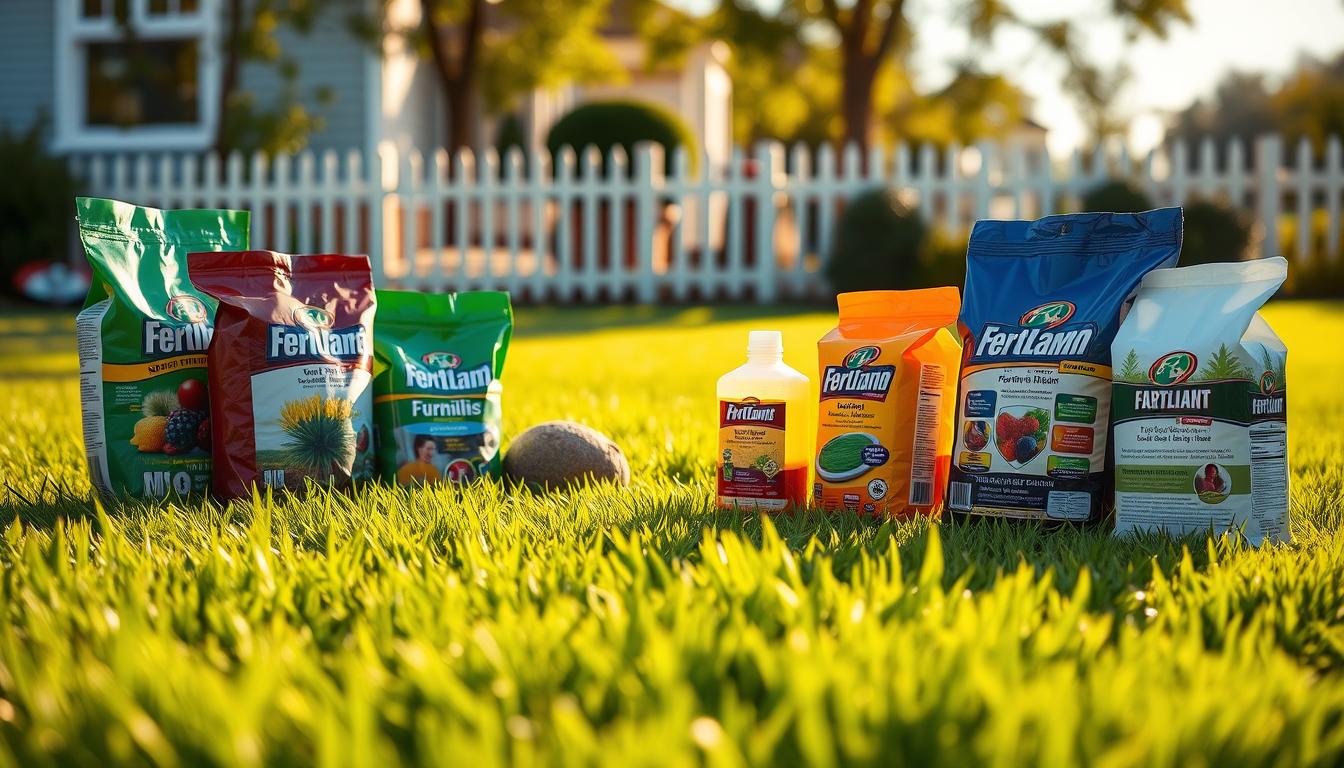
Choosing the right fertilizer is important. Look for one high in phosphorus. This nutrient helps roots grow and prepares the lawn for next year.
A soil test can show what nutrients your lawn needs. This ensures you pick the right fertilizer.
Application Timing and Techniques
When and how you apply fertilizer matters a lot. In most areas, early fall is best. This lets the grass absorb nutrients before winter.
Use a spreader to spread the fertilizer evenly. Avoid overapplying to prevent harm to your grass and the environment.
Northern vs. Southern US Fertilization Differences
Lawn fertilization needs differ in the northern and southern US. In the north, cool-season grasses need fall fertilization for winter and spring. In the south, warm-season grasses recover from summer stress and grow roots in fall.
Knowing these differences helps create a good fertilization plan. This keeps your lawn healthy and strong through fall and beyond.
Identifying and Treating Common Fall Weeds
As fall comes, it’s important to spot and tackle common weeds. These weeds take water, nutrients, and light from your grass. This can weaken your lawn and make it more prone to diseases and pests.
Broadleaf Weeds vs. Grassy Weeds
Broadleaf Weeds vs. Grassy Weeds
Broadleaf weeds, like dandelions and clover, have wide leaves and are easy to spot. Grassy weeds look like your lawn’s grass and are harder to find. Knowing the type of weed is key to treating it right.
Regional Weed Challenges Across America
Different parts of America face different weed problems. The south deals with dallisgrass and bermudagrass, while the north has weeds like clover and chickweed. Knowing your local weeds helps you tackle them better.
Early Detection Strategies
Spotting weeds early is crucial. Check your lawn often for weeds and use a magnifying glass for grassy weeds. A weed identification app can also help identify weeds.
By knowing your weeds and using early detection, you can keep your lawn healthy. This way, you can handle common fall weeds effectively.
Effective Weed Control Methods for Fall
Effective weed control in the fall needs a smart plan to stop spring problems. As the seasons shift, weeds can quickly spread if not managed.
Pre-Emergent vs. Post-Emergent Treatments
Pre-emergent herbicides stop weeds before they grow. Post-emergent herbicides kill weeds that have grown. Knowing the difference is key for good weed control.
Apply pre-emergent in early fall. Use post-emergent as needed later.
Natural and Chemical Weed Control Options
There are many ways to control weeds, from natural to chemical methods. Natural methods include pulling weeds and using vinegar or boiling water.
Chemical herbicides work fast but must be used carefully. They can harm good plants and the environment.
Safe Application Practices for Families and Pets
When using herbicides, follow the instructions and protect families and pets. Wear protective clothes, keep them away, and use the right amount.
Choosing the right weed control and applying it safely makes your lawn beautiful in fall and beyond.
Overseeding for a Lush Spring Lawn
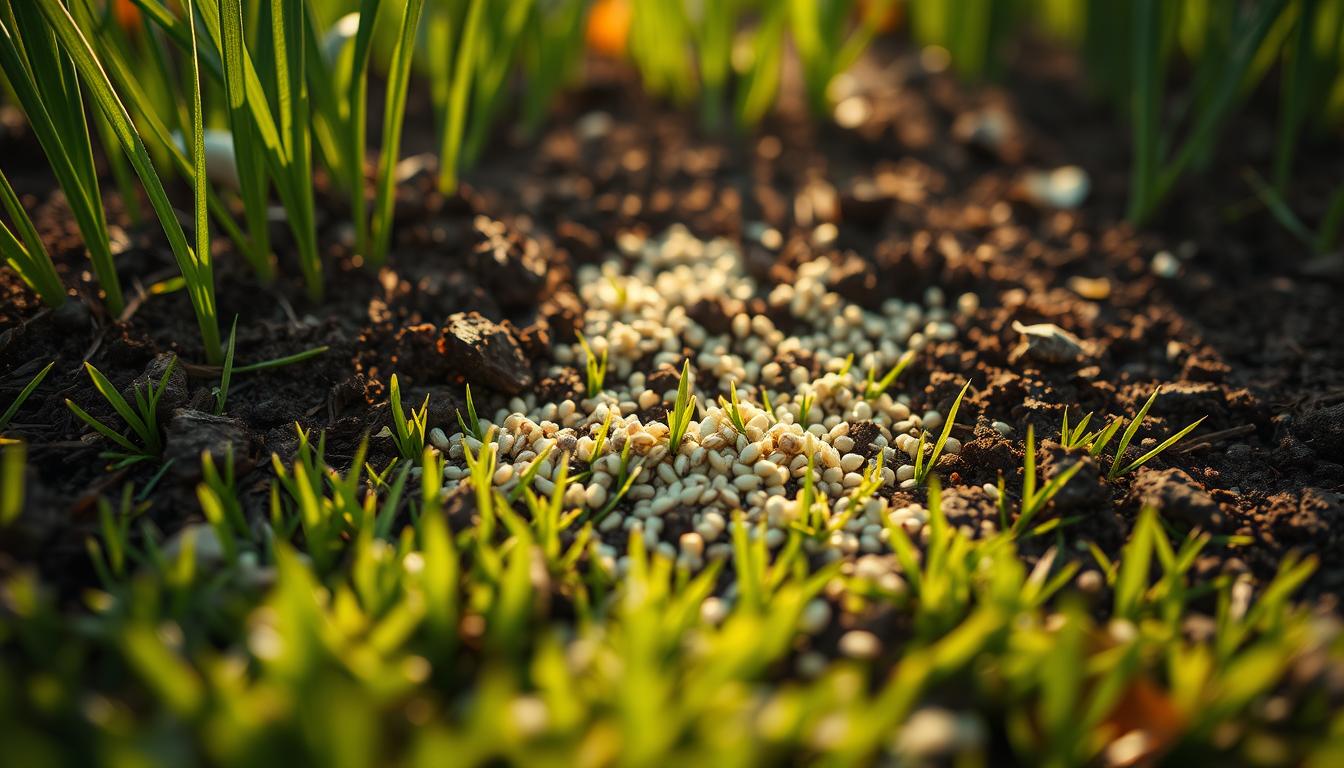
Overseeding in the fall is a simple yet effective way to keep your lawn healthy and dense come spring. Fall is a critical time for lawn care, and overseeding is a key part of a good fall lawn care plan.
Selecting the Right Grass Seed for Your Region
Choosing the right grass seed is crucial when overseeding. Different climates and soil types need different grass species. For example, cool-season grasses like Kentucky bluegrass and perennial ryegrass do well in cooler climates. Warm-season grasses like Bermudagrass and zoysiagrass are better for warmer regions.
To pick the right grass seed, think about your local climate, soil type, and how much sunlight your lawn gets. Talking to a local nursery or lawn care professional can give you insights specific to your area.
Proper Overseeding Techniques
Using the right overseeding techniques is key for successful germination and establishment. First, prepare your lawn: mow it shorter than usual and remove any debris or dead grass. Then, spread the grass seed evenly using a spreader. Make sure to follow the recommended seeding rate on the seed package to avoid over or under-seeding.
After spreading the seed, lightly rake it into the soil to ensure good contact. This step helps improve germination rates.
Watering After Overseeding
Watering is critical after overseeding. Keep the soil consistently moist during the germination period, which usually takes 7-14 days. Avoid overwatering, as it can lead to shallow root growth and other issues.
Once the new seedlings are about 2-3 inches tall, you can gradually reduce the frequency of watering but increase the amount of water applied during each watering session. This encourages deep root growth.
Combining Overseeding with Weed Control
Combining overseeding with weed control measures can significantly enhance the effectiveness of your lawn care efforts. Apply a pre-emergent herbicide before overseeding to prevent crabgrass and other annual weeds from germinating. For existing weeds, consider applying a post-emergent herbicide.
By overseeding and controlling weeds, you can achieve a denser, healthier lawn that is more resistant to weed invasion. This integrated approach is a key strategy for maintaining a lush, vibrant lawn throughout the growing season.
Fall Watering Guidelines for Lawn Health
To keep your lawn healthy in the fall, it’s important to water it right. As the weather cools, your lawn’s watering needs change. Proper watering helps keep the soil moist, promotes root growth, and prepares your lawn for winter.
Adjusting Irrigation Schedules
In the fall, you need to adjust your watering schedule based on the weather. Lawns need less water as it gets colder. We suggest watering less often but deeper to help roots grow strong. For most areas, this means watering every 7-10 days, depending on rain.
Tip: Check if the soil is dry by feeling it or using a soil probe. If it’s dry, it’s time to water.
Signs of Overwatering and Underwatering
Both too much and too little water can harm your lawn. Signs of overwatering include:
- Yellowing or browning grass
- Fungus growth
- Water pooling on the surface
Underwatering can cause:
- Dry, brittle grass
- Discoloration
- Increased susceptibility to disease and pests
As Wakefield Garden Center notes, “The key to healthy lawn watering is balance. Too much water can be just as harmful as too little.”
Drought Considerations in Different US Regions
Drought levels vary across the US in the fall. For example, California and the Southwest may need careful watering due to dryness. The Northeast and Midwest might get more rain.
| Region | Typical Fall Weather | Watering Needs |
|---|---|---|
| Northeast | Cool, wet | Low to moderate |
| Southwest | Warm, dry | High |
| Midwest | Cool, moderate precipitation | Moderate |
A study by the USDA shows it’s key to know your region’s weather for good lawn care.
Adjust your watering schedule, watch for signs of bad watering, and think about drought in your area. This way, you can keep your lawn healthy and green all fall.
Managing Fallen Leaves and Yard Debris
Fallen leaves and yard debris can be a challenge, but they can also be valuable for lawn care. Managing them properly can improve soil health and reduce waste. It can even help control weeds.
Mulching Leaves for Lawn Health
Mulching leaves is a great way to reuse them as a soil amendment. Shredding leaves and spreading them across the lawn improves soil structure and fertility. As the mulch breaks down, it adds organic matter that boosts microbial activity and lawn health.
Creating Compost from Fall Debris
Composting fall debris is another excellent way to use leaves and yard waste. Mixing leaves with other compost materials and keeping the right conditions creates nutrient-rich compost. This compost can naturally fertilize your lawn and garden beds.
How Leaf Management Affects Weed Control
Effective leaf management helps with weed control. Mulching or composting leaves can reduce weed germination. A healthy, dense lawn from proper leaf management can also outcompete weeds, reducing their presence.
By adopting these strategies, homeowners can turn a potentially tedious task into an opportunity to enhance their lawn’s health and appearance.
Conclusion: Your Month-by-Month Fall Yard Maintenance Plan
As we wrap up our guide on getting your yard ready for fall, having a solid plan is key. This plan helps keep your lawn healthy and weeds under control. By using the tips from our previous sections, you can have a green and lively lawn. Thanks to the help of wsvgroup.
Here’s a month-by-month plan to keep your yard in top shape: In September, check your yard’s condition and make a to-do list. In October, focus on aeration, fertilizing, and overseeding. November is for dealing with leaves and yard waste, using methods like mulching and composting.
By sticking to this plan, you’ll have a beautiful lawn all year. At wsvgroup, we aim to make your outdoor space amazing. With a good fall yard maintenance plan, you’re on your way to a lush lawn.