
Are you ready for the fall season challenges to your home’s plumbing and water usage? As the weather gets cooler, it’s key to do regular maintenance. This helps avoid expensive fixes and cuts down on harm to the environment.
By sticking to a maintenance checklist, your home’s plumbing will work well all fall season. This saves water and keeps your sewer system safe from harm.
Need help with your next project? Call or Text 727-625-1374 for expert assistance.
Key Takeaways
- Perform routine maintenance to avoid costly repairs
- Reduce your environmental impact by saving water
- Protect your sewer system from potential damage
- Ensure your home’s plumbing system operates efficiently
- Follow a simple maintenance checklist for a stress-free fall season
The Hidden Costs of Neglecting Fall Plumbing Maintenance
Ignoring your plumbing in the fall can lead to unexpected costs. As the weather changes, your plumbing system faces new challenges. These can cause big problems if not fixed.
How Seasonal Changes Affect Your Water Systems
When summer turns to fall, cooler temperatures can cause pipes to shrink and leak. Also, the rain in autumn can put more pressure on your sewer system. This increases the chance of backups and overflows. Regular maintenance is key to preventing these issues.
- Inspect your pipes for signs of wear and tear.
- Check your sewer system for blockages and damage.
- Consider having a professional inspect your plumbing system.
Financial Benefits of Preventative Maintenance
Investing in maintenance can save you money in the long run. A simple check can spot problems before they get big. Experts say, “a well-maintained plumbing system can save homeowners thousands of dollars annually.” Need help with your next project? Call or Text 727-625-1374 for expert help.
“A well-maintained plumbing system is not just a cost-saving measure; it’s a necessity for protecting your home and the environment.”
By being proactive, you can avoid expensive emergency repairs and lower your water bills. Focus on sewer system maintenance and water-saving solutions to keep your system running well.
Essential Maintenance, Sewer System Checks, Water Saving Tips, and Fall Season Sprinkler Care
To avoid costly repairs and save water, it’s key to check your sewer and sprinkler systems this fall. As the seasons change, your home’s water system faces new challenges. Regular maintenance is essential.
Comprehensive Sewer Line Inspection Guide
A thorough sewer line inspection is crucial to spot issues early. Look for signs of blockages, cracks, or corrosion in your sewer lines. A professional camera inspection can reveal hidden problems. This can save you from expensive repairs later.
Water Conservation Strategies for Autumn
Autumn is a great time to start saving water. Adjust your irrigation schedule for the cooler weather to cut down on waste. Think about adding rain sensors or smart controllers to adjust watering based on weather.
“Conserving water is not just a good practice, it’s a responsibility we owe to future generations.”
Sprinkler System Winterization Steps
Winterizing your sprinkler system is vital to avoid damage from freezing. Start by draining the system of any water left. Then, insulate exposed pipes. If needed, hire a pro to blow out the system. Need help? Call or Text 727-625-1374 for expert help.
Preparing Your Sprinkler System for Dormancy
Getting your sprinkler system ready for winter is key to keeping it working well. As it gets colder, your system needs care to stay in good shape. If you ignore this, you might face expensive sprinkler system repairs come spring.
Blowing Out Your Irrigation Lines
One important step is to blow out your irrigation lines. This uses compressed air to clear water from the pipes, stopping it from freezing. It’s best to have a pro do this, as they have the right tools and know-how.
Protecting Backflow Preventers and Valves
Backflow preventers and valves are vital and need protection in winter. Insulating them can stop them from freezing and bursting. Use foam covers or insulation wraps made for this job. Regular maintenance keeps these parts working right when you need them again.
Programming Controllers for Winter Mode
Lastly, set your sprinkler system’s controller to winter mode. This stops the system from turning on in cold weather, saving water and avoiding damage. Check your controller’s manual for how to do this, as it might differ by model.
By taking these steps, you can winterize your sprinkler system right. This saves money on repairs and keeps it efficient for the next season. For expert help or to book maintenance, call or text 727-625-1374.
| Task | Description | Benefit |
|---|---|---|
| Blowing Out Irrigation Lines | Removing water from pipes using compressed air | Prevents freezing damage |
| Protecting Backflow Preventers and Valves | Insulating critical components | Prevents freezing and bursting |
| Programming Controllers for Winter Mode | Setting the controller to prevent system activation | Saves water and reduces damage risk |
“Proper maintenance of your sprinkler system not only saves water but also extends the lifespan of your irrigation system.”
For more water saving tips and to keep your sprinkler system in great shape, talk to a pro.
Preventing Sewer Backups Before Winter Arrives
It’s key to keep your plumbing system healthy before winter. As the weather gets cooler, fixing potential problems is crucial. This way, you avoid costly and messy backups during the cold months.
Identifying Warning Signs of Sewer Problems
Knowing the warning signs is important. Look for slow drains, gurgling sounds, and water backing up. If you see these signs, act fast.
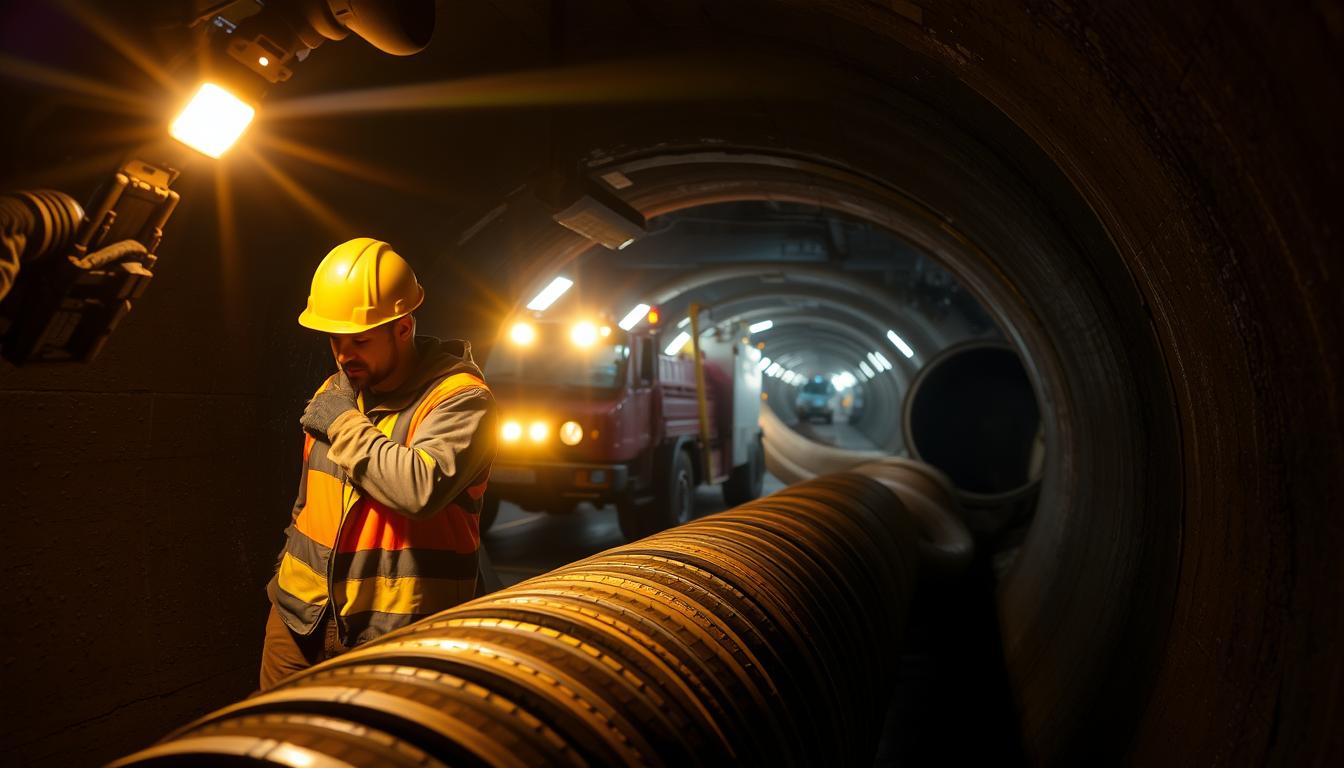
Root Intrusion Management Techniques
Managing root intrusion is vital to stop sewer backups. Roots from trees and shrubs can block and damage your sewer lines.
Chemical Root Treatments
Chemical treatments can kill roots in your sewer lines. But, use them carefully and follow local rules.
Mechanical Cleaning Options
Mechanical cleaning uses tools like augers or hydro-jetters. It’s more effective and lasts longer than chemical treatments.
When to Schedule Professional Cleaning
If sewer issues keep happening or you think roots are the problem, get professional help. Experts can fix problems quickly and efficiently. Regular maintenance keeps your sewer system working well.
Need help with your next project? Call or Text 727-625-1374 for expert assistance with sewer system maintenance and more.
Fall Gutter and Downspout Maintenance to Protect Your Foundation
As leaves fall and rain gets heavier, it’s key to keep your gutters and downspouts in check. Clogged gutters can cause water to gather near your home’s base. This can lead to cracks and shifts in your foundation. Regular upkeep makes sure water flows well through your gutters and away from your home.
Proper Gutter Cleaning Techniques
Cleaning your gutters is easy but needs some care and the right tools. First, remove big debris by hand or with a scoop. Next, use a hose to flush out the gutters. Adding gutter guards can cut down on future cleaning needs.
For safety, use a ladder stabilizer and have someone hold the ladder for you.
Redirecting Downspouts to Prevent Sewer Overload
It’s important to direct downspouts away from your home to avoid sewer problems and foundation damage. Make sure downspouts are at least 4 feet from your home’s base. You can use extensions or splash blocks to guide water further away.
This small change can greatly lower the chance of water damage and harm to your foundation.
| Maintenance Task | Frequency | Benefits |
|---|---|---|
| Gutter Cleaning | Twice a year | Prevents water damage, foundation issues |
| Downspout Redirecting | Once a year | Reduces sewer overload, protects foundation |
Need help with your next project? Call or Text 727-625-1374 for expert assistance with gutter maintenance and more.
Indoor Water-Saving Solutions for the Cooler Months
The cooler months are a perfect time to improve indoor water use. Making a few simple changes can cut down your water use and lower bills.
Upgrading to High-Efficiency Fixtures
Switching to high-efficiency fixtures is a smart move. Low-flow showerheads, faucets, and toilets save a lot of water. For example, a low-flow showerhead can save up to 2.5 gallons per minute. For expert advice, Call or Text 727-625-1374.
Detecting and Repairing Hidden Leaks
Hidden leaks can waste a lot of water. It’s important to check for leaks regularly.
Common Leak Locations
Leaks often show up under sinks, around toilets, and near water heaters. Look for moisture or water damage in these spots.
DIY Leak Detection Methods
To find leaks, try a water meter test. Turn off all water-using appliances and check your water meter. If it moves, you have a leak.
Adjusting Daily Habits to Conserve Water
Changing your daily habits can also save water. Take shorter showers, turn off the tap while brushing teeth, and fix leaky faucets fast. These habits help a lot.
Freeze Protection for Outdoor Plumbing Fixtures
Freezing temperatures can damage your outdoor plumbing. Fall is the time to prepare. It’s important to protect your outdoor plumbing from ice damage.
Insulation Techniques for Exposed Pipes
Insulating exposed pipes is a simple way to keep them from freezing. You can use foam or wrap pipes with heat tape. Proper insulation helps prevent pipe bursts in cold weather.
Make sure to cover any exposed pipes in unheated areas. This includes garages, basements, or crawlspace.
Properly Draining and Shutting Off Outdoor Water Sources
Draining and shutting off outdoor water sources is key. Find the shut-off valves for your outdoor faucets and turn them off. Then, open the faucets to drain the water.
Consider using frost-proof faucets or freeze-proof spigots. This adds extra protection to your plumbing.
Need plumbing help? Call or text 727-625-1374. Protecting your outdoor plumbing from freezing is crucial. It keeps your sewage system in good shape and avoids expensive repairs later.
Yard Maintenance Practices That Safeguard Your Sewer Lines
Fall yard maintenance is more than just making your yard look good. It also protects your home’s sewer system. Leaves and debris can cause clogs and damage if not managed right.
Safe Disposal Methods for Fall Leaves and Debris
To keep your sewer lines safe, dispose of leaves and debris correctly. Raking leaves and putting them in compost bins or bags is a smart move. Don’t blow leaves into storm drains or sewer grates, as it can clog them. Use a leaf vacuum or mulch leaves to make soil for your garden.
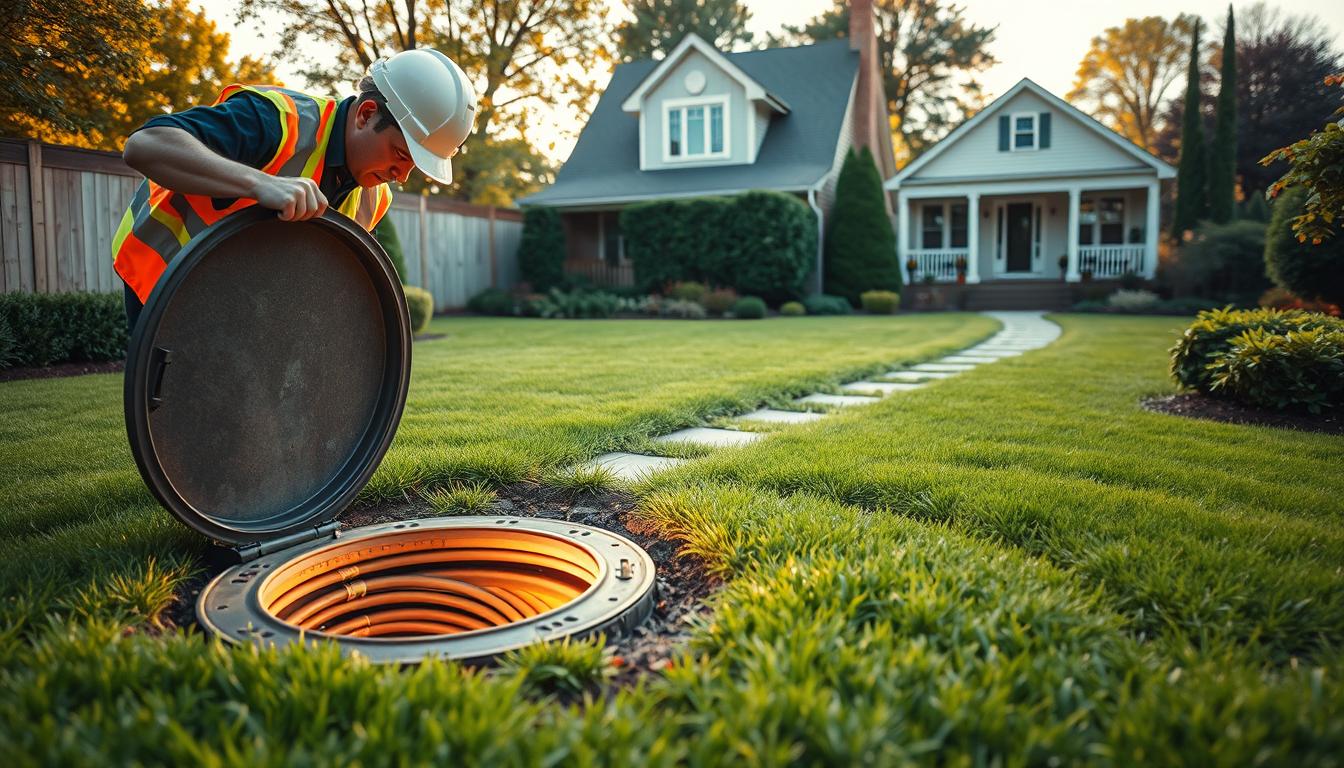
Environmentally Friendly Lawn Treatments
Choosing eco-friendly lawn treatments helps protect your sewer lines too. Use organic fertilizers and native plant species to avoid chemical runoff. Also, create rain gardens or bioswales to soak up rainwater and lessen stormwater runoff. This keeps your sewer lines from getting overwhelmed.
Need help with yard maintenance and sewer line protection? Call or text 727-625-1374 for expert advice.
Fall Checklist for Indoor Plumbing Efficiency
Keeping your indoor plumbing efficient in fall can save money and avoid future issues. As the seasons change, it’s wise to check your plumbing system. This ensures it’s working well.
Water Heater Flush and Inspection Guide
Flushing your water heater boosts its efficiency and extends its life. First, turn off the power. Then, connect a hose to the drain valve and let the water drain. When the water is clear, your heater is ready for a check.
Look for leaks or corrosion. Also, make sure the temperature is between 120°F and 140°F. This setting is best for performance.
Toilet Efficiency and Leak Tests
To check your toilet’s efficiency, look at the flapper and fill valve for wear. Do a dye test by adding food coloring to the tank. Wait to see if the color shows in the bowl without flushing.
If color appears, you have a leak. Fix or replace the flapper to stop water waste.
Checking Faucet Aerators and Showerheads
Faucet aerators and showerheads greatly affect water use. Remove and clean these to remove mineral buildup. This buildup can lower water flow and pressure.
Consider replacing old or inefficient ones with low-flow models. This saves water and energy.
For expert plumbing help, call or text 727-625-1374. Regular maintenance prevents costly repairs and keeps your system running smoothly all year.
Conclusion: Protecting Your Home’s Water Systems Through Every Season
As you finish your fall home maintenance, remember it’s a year-round job. Adding sewage system care to your routine saves money and cuts down on water waste. Regular upkeep is key to saving this valuable resource.
You’ve made big strides in getting your home ready for the seasons. From checking sewer lines to winterizing sprinklers, each step is vital. These actions keep your home healthy during the fall.
Need help with your fall maintenance or plumbing projects? Call or text 727-625-1374. Our experts will guide you with solutions for your needs.