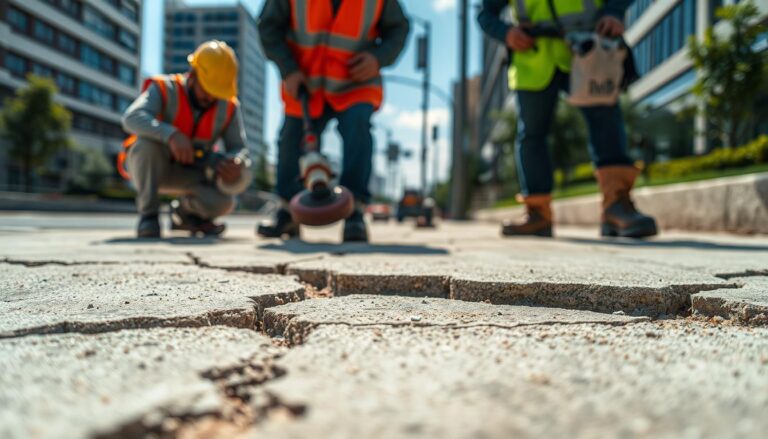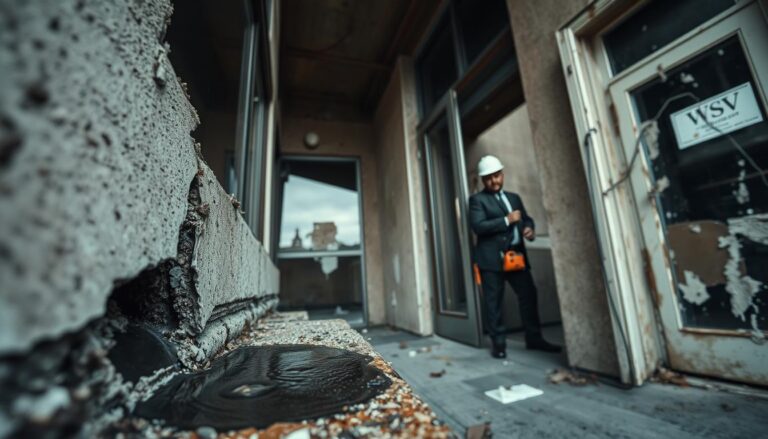
As we get closer to the Florida hurricane season 2025, it’s key to get your home ready for storms. Living in Florida means you must be ready for anything. Securing your home is your first defense.
At WSV Group, we know how vital hurricane preparedness Florida is. We aim to help you protect your roof and seal any weak spots. T
Key Takeaways
- Inspect your roof for damaged or missing shingles
- Seal any gaps or vulnerabilities around windows and doors
- Trim trees and shrubs to minimize branches that could cause damage
- Secure outdoor furniture and decorations
- Have a plan in place in case of an emergency
The Reality of Florida’s Hurricane Threat
Florida is known for its hurricane dangers. Its location makes it very likely to face these storms. So, it’s key to prepare well for hurricanes.
Historical Impact of Major Hurricanes in Florida
Florida has seen many hurricanes, like Hurricane Andrew in 1992 and Hurricane Irma in 2017. These storms have hurt the state a lot, both financially and in terms of infrastructure.
Damage Statistics and Lessons Learned
Hurricane Andrew caused $26.5 billion in damage, and Hurricane Irma did $83 billion. These numbers show how important it is to be ready and have a good Florida hurricane checklist.
Predictions for the 2025 Hurricane Season
Experts are watching the weather closely for the 2025 hurricane season. Knowing what to expect helps homeowners prepare better.
What Experts Are Saying About This Year’s Storms
Experts think the 2025 hurricane season will be busy. Sea surface temperatures and the atmosphere are key factors. For help getting your home ready, call (727)-624-1374.
Creating Your Hurricane Preparedness Timeline
Creating a hurricane preparedness timeline is key to protecting your Florida home. By breaking tasks into smaller parts, you can make sure your property is safe before the storm season starts.
Early Season Preparation (January-April)
In the early season, focus on planning and budgeting for hurricane protection. This means checking your home for weak spots and figuring out what repairs or upgrades you need.
Planning and Budgeting for Hurricane Protection
First, review your insurance policies to know what’s covered. Then, set a budget for any repairs, replacements, or upgrades. This could include strengthening your roof or protecting your windows.
Pre-Season Checklist (May-June)
As hurricane season gets closer, it’s time for important tasks. Use this checklist to make sure you’re ready:
| Task | Status |
|---|---|
| Inspect and clean gutters and downspouts | |
| Trim trees and shrubs | |
| Secure outdoor furniture and decorations |
Critical Tasks Before Hurricane Season Peaks
Finish any repairs or upgrades you need to. Also, make sure you have a hurricane emergency kit with food, water, and first aid. For more tips on hurricane season prep, contact us at contact@mail.wsvgroup.com.
Professional Roof Inspection and Assessment
As hurricane season gets closer, it’s key for Florida homeowners to check their roofs. A pro can spot weak spots and avoid expensive fixes.
Warning Signs of Roof Vulnerability
Look out for signs your roof might not be strong. Missing or damaged shingles, curled shingles, and wear around chimneys and vents are red flags.
Identifying Weak Points Before They Fail
A pro roof check can find problems before they get worse. They search for water damage, rot, or weak spots that could fail in a hurricane.
Finding Qualified Roofing Professionals
To find a good roofer, ask friends, family, or your local hardware store. Make sure they’re licensed, insured, and have hurricane experience.
Questions to Ask Before Hiring
Before you hire someone, ask about their hurricane roof work, how they inspect, and what the report will say. For a pro roof check, call (727)-624-1374.
Roof Sealing and Waterproofing Techniques
With hurricane season 2025 coming, it’s key to know the latest roof sealing and waterproofing methods. These techniques are vital for hurricane home preparation. They help keep your Florida home safe from the weather.
Modern Roof Sealing Materials and Methods
Today’s roof sealing uses advanced materials like silicone-based coatings, polyurethane foam, and elastomeric sealants. These materials are durable and flexible. They make sure your roof stays watertight, even in harsh weather.
| Material | Effectiveness | Longevity |
|---|---|---|
| Silicone-based coatings | High | 10-15 years |
| Polyurethane foam | Very High | 15-20 years |
| Elastomeric sealants | High | 10-15 years |
DIY vs. Professional Roof Sealing
DIY roof sealing can save money, but it might not last as long as a pro’s work. Experts have the skills and tools for a lasting seal.
When to Call the Experts
If you’re not sure about your roof’s condition or the best sealing method, get expert advice. For top-notch roof sealing services, reach out to us at contact@mail.wsvgroup.com.
Structural Reinforcement for High Winds
Preparing your home for hurricane season in Florida is crucial. High winds can damage your home if it’s not secured properly.
Hurricane Straps and Roof-to-Wall Connections
Using hurricane straps and improving roof-to-wall connections is key. These help keep your roof attached to the walls, even in strong winds.
Installation Guidelines and Best Practices
Installing hurricane straps correctly is vital. Always follow the manufacturer’s instructions. If unsure, consider hiring a professional.
Gable End Bracing and Roof Support Systems
Gable end bracing and roof support systems are also important. They help spread wind force, reducing damage risk.
Strengthening Your Home’s Most Vulnerable Areas
It’s important to strengthen your home’s weak spots. This includes the roof, windows, doors, and more.
| Reinforcement Technique | Description | Benefit |
|---|---|---|
| Hurricane Straps | Metal straps that tie the roof to the walls | Prevents roof loss during high winds |
| Gable End Bracing | Support systems for gable ends | Reduces gable end failure |
| Roof Support Systems | Additional supports within the roof structure | Enhances overall roof stability |
For professional help with structural reinforcement, call us at (727)-624-1374. Making your home storm-proof is a smart investment in your safety and property.
Hurricane Season, Preparedness, and Property Protection Strategies
As hurricane season approaches in Florida, it’s vital to focus on protecting our properties. Good preparation can greatly reduce damage and keep our families safe.
Creating a Defensible Space Around Your Home
Creating a defensible space around our homes is crucial. This means smart landscaping and removing items that could become dangerous in strong winds.
Strategic Landscaping for Wind Resistance
Smart landscaping can make our homes more wind-resistant. This includes:
- Trimming trees and shrubs to prevent branches from becoming projectiles.
- Choosing plants that can withstand strong winds.
- Making sure gardens and landscaping are securely fastened.
Securing Exterior Elements and Potential Projectiles
It’s important to secure outdoor items to prevent them from becoming dangerous in a hurricane. This includes furniture, decorations, and other items that could be blown away.
Checklist for Outdoor Item Management
To keep our outdoor spaces safe, follow this checklist:
- Bring inside or secure outdoor furniture and decorations.
- Trim or remove trees and shrubs that could cause damage.
- Secure any loose outdoor items that could become projectiles.
- Check and secure gutters and downspouts.
For more information on protecting your property or to talk to experts, contact us at contact@mail.wsvgroup.com.
Window and Door Hurricane Protection Systems
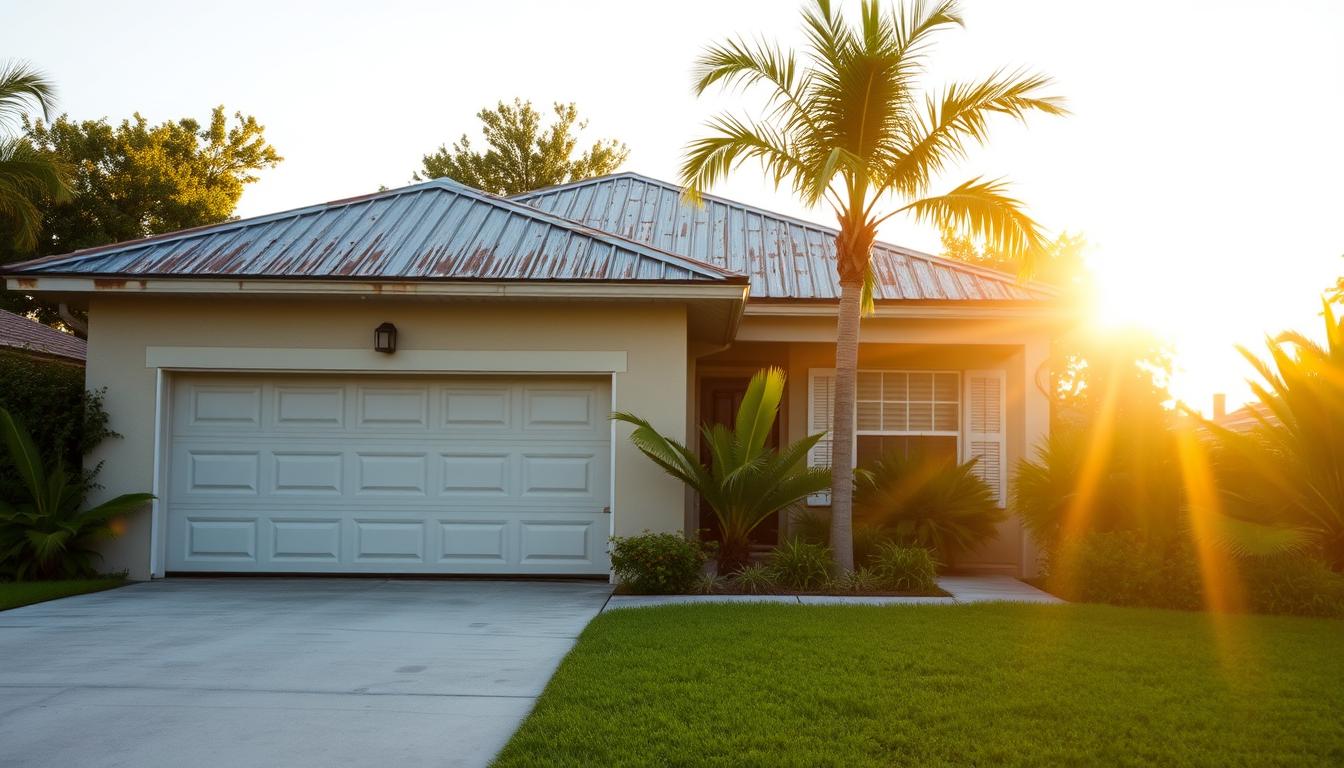
In Florida, keeping your windows and doors safe is key. These spots are weak points that can affect your home’s safety during a hurricane.
Permanent Protection: Impact Windows and Doors
Getting impact windows and doors is a smart move. They can handle the strong winds and debris hurricanes bring.
Cost Analysis and Long-Term Benefits
Impact windows and doors cost more upfront. But they save money on energy and boost your home’s value. The National Association of Realtors says they can recover up to 70% of their cost when you sell your home.
| Feature | Impact Windows/Doors | Traditional Windows/Doors |
|---|---|---|
| Hurricane Resistance | High | Low |
| Energy Efficiency | High | Variable |
| Resale Value Impact | Positive | Neutral |
Temporary Solutions: Shutters, Panels, and Plywood
If permanent solutions aren’t an option, shutters, panels, and plywood are good alternatives. They can help protect your windows and doors from damage.
Installation Tips and Storage Considerations
Follow the maker’s guide when installing temporary solutions. Storing them properly when not in use can make them last longer. As
“The best time to prepare for hurricane season is before it starts.” – Florida Emergency Management
For expert advice on protecting your windows and doors, call (727)-624-1374.
Water Management and Flood Prevention
Flooding is a big threat during Florida’s hurricane season. We need to take steps to protect our homes. Understanding water management and flood prevention is key to keeping our properties safe.
Comprehensive Gutter and Drainage Systems
A good gutter and drainage system is the first defense against flooding. It keeps water away from your home. This helps prevent damage to the foundation, walls, and roof.
Maintenance Schedule and Upgrades
Keeping your gutters clean is crucial. You should clean them twice a year and check for damage. Upgrading to better systems can also help.
- Clean gutters and downspouts regularly
- Inspect gutters for sagging or damage
- Consider upgrading to gutter guards
Flood Barriers and Property Grading
Flood barriers and proper grading also help prevent flooding. They direct water away from your home’s foundation.
Redirecting Water Away From Your Foundation
Proper grading makes sure the ground slopes away from your house. This stops water from gathering. For homes already built, flood barriers offer extra protection.
| Flood Prevention Measure | Description | Benefits |
|---|---|---|
| Gutter Guards | Covers that prevent debris from entering gutters | Reduces cleaning frequency, prevents clogs |
| Property Grading | Adjusting the slope of the land around a home | Directs water away from the foundation, reduces flood risk |
| Flood Barriers | Temporary or permanent barriers to prevent floodwater entry | Provides additional protection against flooding, can be customized |
For more info on water management solutions, email us at contact@mail.wsvgroup.com.
Power Solutions for Hurricane Season
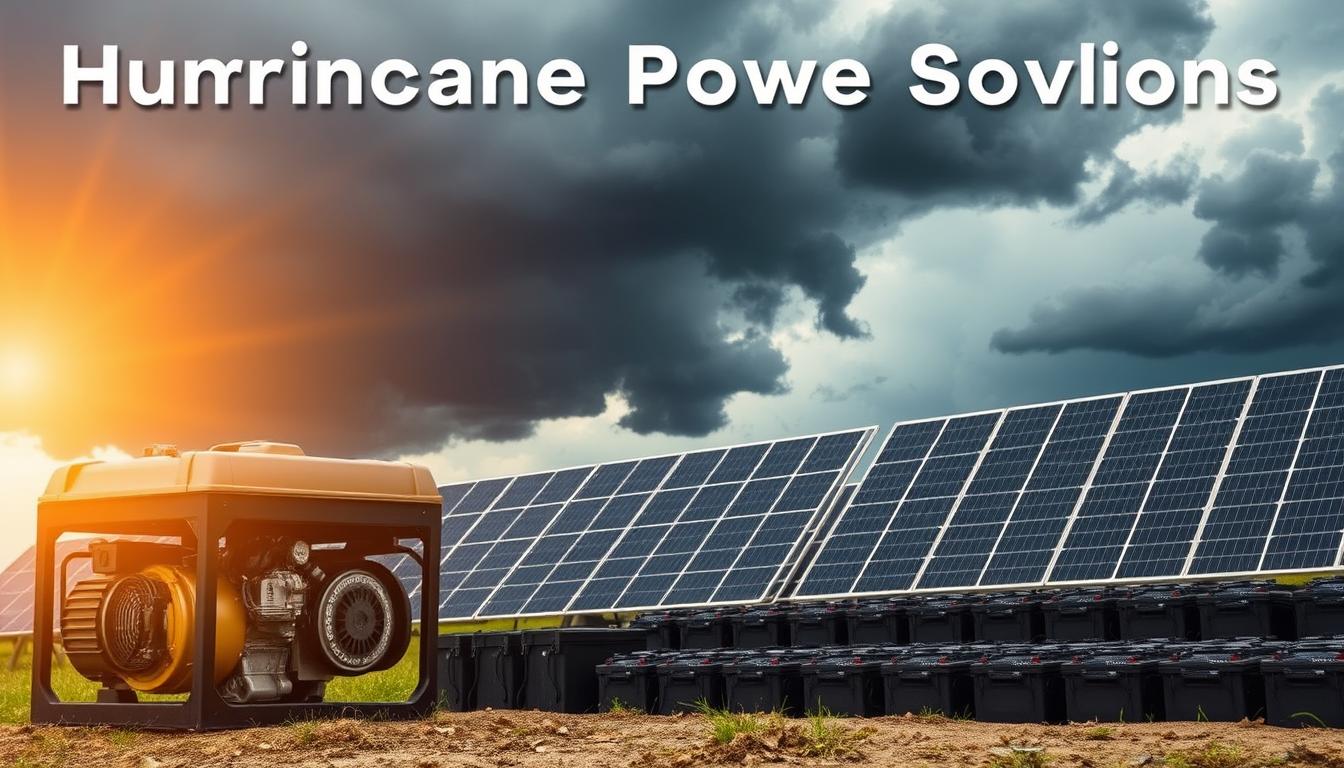
Florida homeowners face power outages during hurricane season. But, the right power solution can keep you safe and comfortable. A reliable power source is key for your home’s safety and comfort.
Generator Selection and Installation
A whole-house generator is a big step in preparing for hurricanes. Choose one that fits your home’s size and appliance needs.
Sizing, Fuel Options, and Safety Protocols
- Sizing: Make sure the generator meets your home’s power needs.
- Fuel Options: Pick between natural gas, propane, or diesel, thinking about what’s available and how to store it.
- Safety Protocols: Safe operation starts with proper installation and regular checks.
Alternative Power Sources and Battery Systems
Looking for something other than traditional generators? Solar energy and battery systems are great alternatives.
Solar Integration and Power Storage
Solar panels with a battery system can be a steady power source during outages. For more information, call (727)-624-1374.
Insurance and Documentation Before the Storm
Before a storm hits, knowing your hurricane insurance and making a digital home inventory are key. These steps help protect your Florida property. They also reduce stress and financial loss if a hurricane strikes.
Understanding Hurricane Insurance Coverage
Hurricane insurance can be tricky, with many policies offering different protection levels. It’s important to check your policy to see what’s covered and what’s not.
Policy Reviews and Coverage Gaps
Regularly reviewing your policy can spot gaps in coverage. For example, some policies might not cover flood damage or have limits on certain items. We suggest checking your policy every year and talking to your insurer or agent about any issues. For insurance advice, email contact@mail.wsvgroup.com.
Creating a Digital Home Inventory
A digital home inventory lists all your belongings. It’s very useful when filing insurance claims after a hurricane.
Documentation Methods for Insurance Claims
To make a detailed inventory, take photos or videos of your items. Store these records online or in cloud storage. This way, you’ll have the proof you need for your insurance claims.
Emergency Planning and Evacuation Protocols
Preparing for hurricane season is more than just securing your home. It also means having a family emergency plan. This plan should include important details to keep everyone safe during an evacuation.
Family Communication and Meeting Points
Make a communication plan with a meeting point outside your home and a contact person. This helps ensure everyone can find each other if you get separated. Choose a meeting spot that is easily accessible and safe.
When and How to Evacuate Safely
Know the local evacuation routes and plan how to leave with your family, including pets. Keep your car’s gas tank at least half full. Also, have a basic emergency kit in your car.
Special Considerations for Elderly, Children, and Pets
For families with elderly members, children, or pets, you need to plan extra. Think about their specific needs when making your emergency kit and evacuation plan.
Resources and Support Systems
Find local resources and support systems, like shelters for pets and services for the elderly. For help with emergency planning, call (727)-624-1374.
| Family Member | Special Needs | Emergency Contact |
|---|---|---|
| Elderly | Medical equipment, medication | Caregiver, family member |
| Children | Formula, diapers, child carrier | School, daycare, family member |
| Pets | Food, water, medication, carrier | Veterinarian, pet-friendly shelter |
Conclusion: Securing Your Florida Home for Peace of Mind
As hurricane season gets closer, making your Florida home safe is key. This ensures your family and property are protected. By following the steps in this article, you can make sure your home is ready for storms.
Don’t forget to check your roof with a professional. Also, make sure your insurance is up to date and create a digital inventory of your belongings. This will help protect your assets.
If you need help or have questions, reach out to us at contact@mail.wsvgroup.com or (727)-624-1374. By taking these steps, you can feel confident and prepared for the hurricane season ahead.