
Are you starting a home remodeling project? You must be excited to see your new space come to life. But, have you thought about the potential problems that could ruin your project? One big issue is having an unrealistic residential remodel timeline.
Thinking your remodel will take less time than it really will can cause big problems. It can lead to higher labor costs and lower quality work. It’s key to know what affects your project’s timeline and plan well.
If your home is giving you trouble, don’t wait to get help. Call us at (727)-625-1374 or email contact@mail.wsvgroup.com for tips on managing your remodel.
Key Takeaways
- Understand the factors that influence your residential remodel timeline.
- Plan for contingencies to avoid delays and cost overruns.
- Communicate effectively with your contractor to ensure a smooth project flow.
- Be aware of the potential pitfalls that can derail your project.
- Seek professional help when needed to manage your remodel effectively.
Understanding Timeline Fantasy in Remodeling
‘Timeline fantasy’ is when homeowners think remodeling will take less time than it really does. They often don’t think about delays or extra work that can happen. This makes their plans unrealistic.
Homeowners and contractors might have different ideas about how long a project will take. This can cause problems. For example, a homeowner might think a renovation will be done faster than the contractor thinks. Talking things through helps make a construction schedule that everyone can agree on.
Not knowing how complex remodeling can be is another problem. Things like getting permits, finding out about structural issues, or waiting for materials can slow things down a lot.
“The biggest risk in remodeling is not the cost, but the timeline. Homeowners often underestimate the time required, leading to frustration and stress.”
To understand how long remodeling takes, look at this comparison:
| Project Phase | Estimated Time | Potential Delays |
|---|---|---|
| Planning and Design | 2-4 weeks | Revisions, design changes |
| Permitting and Approvals | 2-6 weeks | Bureaucratic delays, code compliance issues |
| Construction and Finishing | 8-16 weeks | Weather conditions, material delivery delays |
If remodeling problems come up, it’s important to fix them fast. You can call professionals at (727)-625-1374 or email contact@mail.wsvgroup.com for help.
The Importance of Realistic Timelines
A well-planned timeline is key to a successful remodeling project. It helps avoid costly delays. By setting realistic timelines, you manage expectations and keep your project on track.
Consequences of Unrealistic Expectations
Unrealistic expectations about remodeling project time can cause big problems. These include budget overruns and strained contractor relationships. When delays happen, homeowners with unrealistic timelines often feel frustrated and helpless.
To avoid this, it’s crucial to understand remodeling projects are complex. They’re subject to many factors that can cause delays. By knowing these potential issues, you can plan better and reduce disappointment.
Comparing Time Estimates: Reality vs. Fantasy
Realistic time estimates differ greatly from overly optimistic “fantasy” timelines. Realistic timelines account for delays due to weather, material availability, and labor shortages.
On the other hand, overly optimistic timelines can give a false sense of security. This can make homeowners unprepared for the inevitable delays that occur. By understanding what affects remodeling timelines, you can make a more accurate project schedule.
If you’re facing issues with your remodeling project, don’t hesitate to seek professional advice. You can call us at (727)-625-1374 or email contact@mail.wsvgroup.com for help managing your project’s timeline.
Key Phases of a Residential Remodel
Starting a residential remodel? Knowing the key phases helps you manage the process better. A good remodel needs careful planning, execution, and monitoring in several stages.
Planning and Design
The first step is planning and design. Here, you set your project’s scope, budget, and timeline. It’s key to work with your designer or architect to make a detailed plan. This plan should meet your needs and follow local building codes.
You’ll also pick materials and finishes that match your vision and budget during this phase.
Permitting and Approvals
Before you start building, you need to get the right permits and approvals. This can take time as you submit your plans for review. Getting your project permitted right can save you from costly delays and legal problems later.
Your contractor should know how to handle permits to avoid any issues.
Construction and Finishing
The construction phase is when your remodel starts to take shape. This includes demolition, framing, installing electrical and plumbing systems, and finishing touches like flooring and painting.
Good communication with your contractor is key during this phase. It ensures the work is done on time and meets your expectations.
Having trouble with your remodel? Need help? Contact us at (727)-625-1374 or email contact@mail.wsvgroup.com for assistance.
Factors Impacting Remodeling Timelines
Knowing what affects remodeling timelines is key for a smooth project. When planning a remodel, think about the factors that can change your project’s length.
Project Scope and Complexity
The size and complexity of your project greatly influence the timeline. Projects with structural changes or high-end finishes need more time and planning. For example, a kitchen remodel with plumbing or electrical changes will take longer than a simple update.
Inspections are vital for complex projects. They check if the work follows local building codes. These inspections can cause delays if problems are found, showing the need to plan for possible issues.
Availability of Materials
Material availability is another key factor. Some materials, like custom or specialty items, can take a long time to arrive. For instance, custom cabinets or special tiles might take weeks or months.
To avoid delays, work closely with your contractor. Identify material delays early and plan alternatives with shorter lead times.
Workforce and Contractor Scheduling
Contractor schedules also affect your project timeline. Contractors often work on many projects at once, impacting your project’s start and end dates.
Good communication with your contractor is crucial. It helps you understand their schedule and any potential issues. Regular updates help you plan and adjust your timeline as needed.
If you’re facing delays or concerns, seek professional advice. Call us at (727)-625-1374 or email contact@mail.wsvgroup.com for help managing your project’s timeline.
Common Timeline Myths in Remodeling
Remodeling timelines are often misunderstood. Homeowners may think a remodel should take less time than it actually does. This can lead to frustration and problems with contractors.
Myth: All Projects Take the Same Time
Many believe all remodels take the same time. But, the time needed depends on the project’s size, complexity, and material availability. For example, custom materials can cause material lead times, making the project longer.
Myth: Remodels Always Finish Early
Some projects might finish early, but it’s not always the case. Delays can happen due to weather, labor shortages, or unexpected issues. It’s important to plan for these possibilities and understand that finishing early is not guaranteed.
Myth: Only Big Projects Run Late
It’s a myth that only big projects face delays. Even small remodels can be delayed by supply chain disruptions or extra permits. Homeowners should be ready for delays, no matter the project size.
If you’re planning a remodel and worried about the timeline, talk to professionals. They can give you realistic expectations. Your home is a big investment, and knowing the remodeling process helps you make better choices. If you’re having trouble with your project, get expert advice. Call us at (727)-625-1374 or email contact@mail.wsvgroup.com for help tailored to your needs.
Planning for Delays: What to Expect
Delays are common in remodeling projects. Knowing what to expect can help you manage your timeline better. Whether it’s a kitchen update or a full-home remodel, being ready for delays is key.
Several factors can affect your project’s timeline. Knowing these can help you plan and reduce their impact.
Weather-Related Delays
Weather can greatly impact outdoor work like roofing and siding. Rain, snow, or extreme temperatures can slow or stop these tasks.
“Weather is a major factor in construction delays. Understanding local climate patterns can help you anticipate and plan for weather-related issues.”
To lessen weather delays, consider these strategies:
- Schedule outdoor tasks in better weather seasons.
- Make your schedule flexible for unexpected weather.
- Choose contractors who know how to handle weather delays.
Supply Chain Issues
Supply chain problems can cause big delays. These issues can come from material shortages, transport issues, or supplier bankruptcy.
| Supply Chain Issue | Potential Impact | Mitigation Strategy |
|---|---|---|
| Material Shortages | Delayed delivery of critical materials | Identify alternative suppliers or materials. |
| Transportation Problems | Increased lead times for deliveries | Plan ahead and allow extra time for transportation. |
| Supplier Insolvency | Loss of material source | Diversify suppliers to reduce dependency on a single source. |
Unforeseen Complications
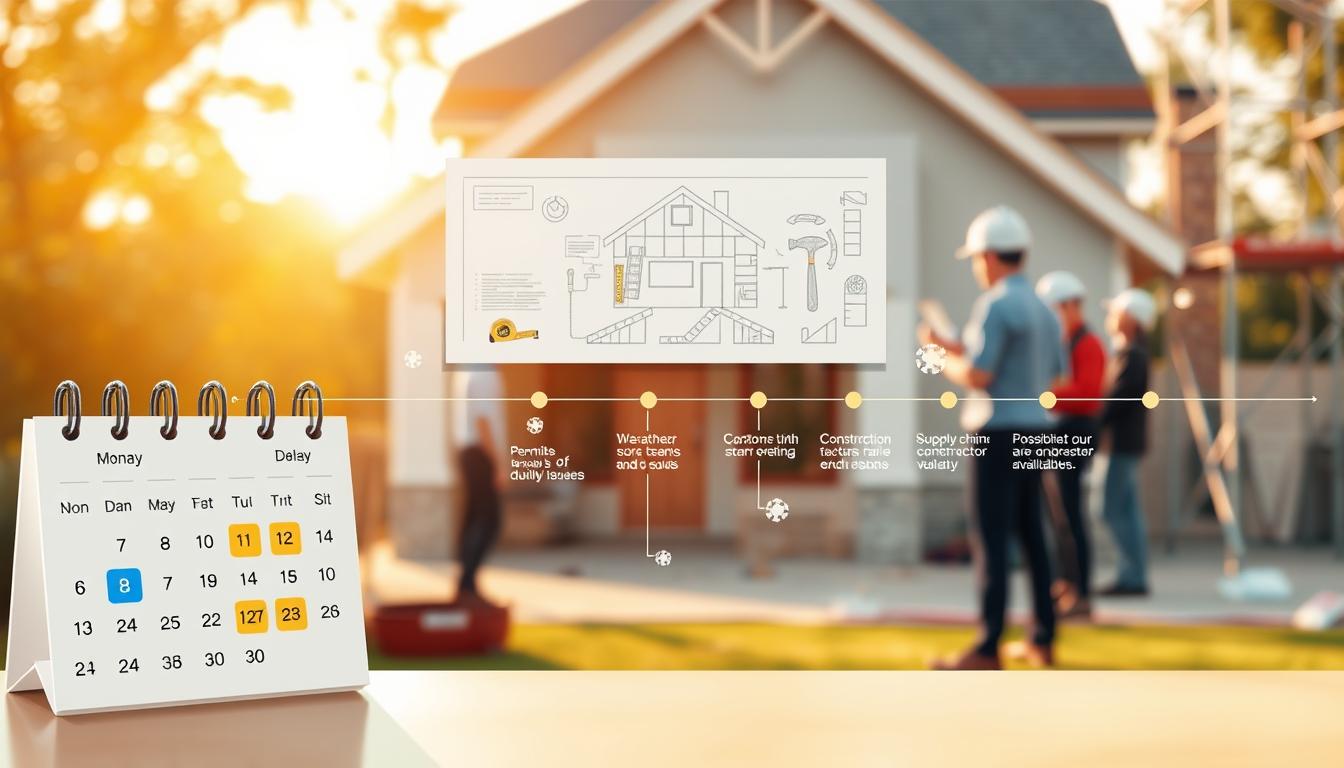
Even with careful planning, surprises can happen. These might include hidden structural damage or outdated systems.
- Choose experienced contractors who spot issues early.
- Set aside money for unexpected costs.
- Keep in touch with your team to solve problems fast.
If remodeling is tough, get help. Call us at (727)-625-1374 or email contact@mail.wsvgroup.com for advice and support.
Communication is Crucial
Good communication is key to a successful remodeling project. It makes sure everyone is on the same page, avoiding delays and misunderstandings. Keeping communication open helps solve problems fast and keeps the project moving.
Staying in Touch with Contractors
It’s important to keep in touch with your contractors. This way, you know how the project is going and any problems that might come up. Having regular meetings or updates helps you stay informed and avoid delays caused by bad communication.
Clear Expectations with Homeowners
It’s also key to set clear expectations with homeowners. Make sure they understand the project’s scope, timeline, and any risks. Being open about the process and what permits are needed helps build trust.
Regular Timeline Updates
Keeping clients updated on the timeline is crucial. Use a detailed project schedule to keep everyone informed. This schedule should list important milestones, deadlines, and any key dependencies. A clear timeline helps avoid delays and makes the project run smoothly.
| Communication Strategy | Benefits |
|---|---|
| Regular Updates with Contractors | Reduces misunderstandings, mitigates delays |
| Clear Expectations with Homeowners | Manages expectations, builds trust |
| Regular Timeline Updates | Minimizes delays, ensures smooth project execution |
If you’re having trouble with your remodeling project, don’t hesitate to ask for help. Call us at (727)-625-1374 or email contact@mail.wsvgroup.com for assistance.
Tools for Better Timeline Management
To keep your remodeling project on track, managing timelines is key. You need the right tools to plan, execute, and monitor progress. Modern project management techniques help avoid delays and ensure timely completion.
Project Management Software
Project management software is a powerful tool. It helps organize tasks, allocate resources, and track progress. Features like task assignment, deadline reminders, and real-time updates make managing complex projects easier. For example, it can help schedule inspections and keep everyone informed.
Some key benefits of project management software include:
- Enhanced collaboration among team members
- Improved task management and prioritization
- Real-time tracking of project progress
- Better resource allocation
Visual Timelines and Gantt Charts
Visual timelines and Gantt charts are essential for planning and tracking remodeling projects. They provide a clear visual of the project schedule. This makes it easier to understand dependencies and timelines. Using these tools helps manage material lead times and keeps your project on track.
A Gantt chart, for example, allows you to:
- Visualize the project timeline
- Identify critical path tasks
- Track progress against the plan
- Adjust schedules as needed
If you’re having trouble with your remodeling project timeline, don’t hesitate to seek help. Call us at (727)-625-1374 or email contact@mail.wsvgroup.com for expert guidance.
Cost Implications of Timeline Mismanagement
Mismanaging your residential remodel timeline can lead to significant financial consequences. Effective management of your construction schedule is crucial to staying within budget and avoiding unnecessary expenses.
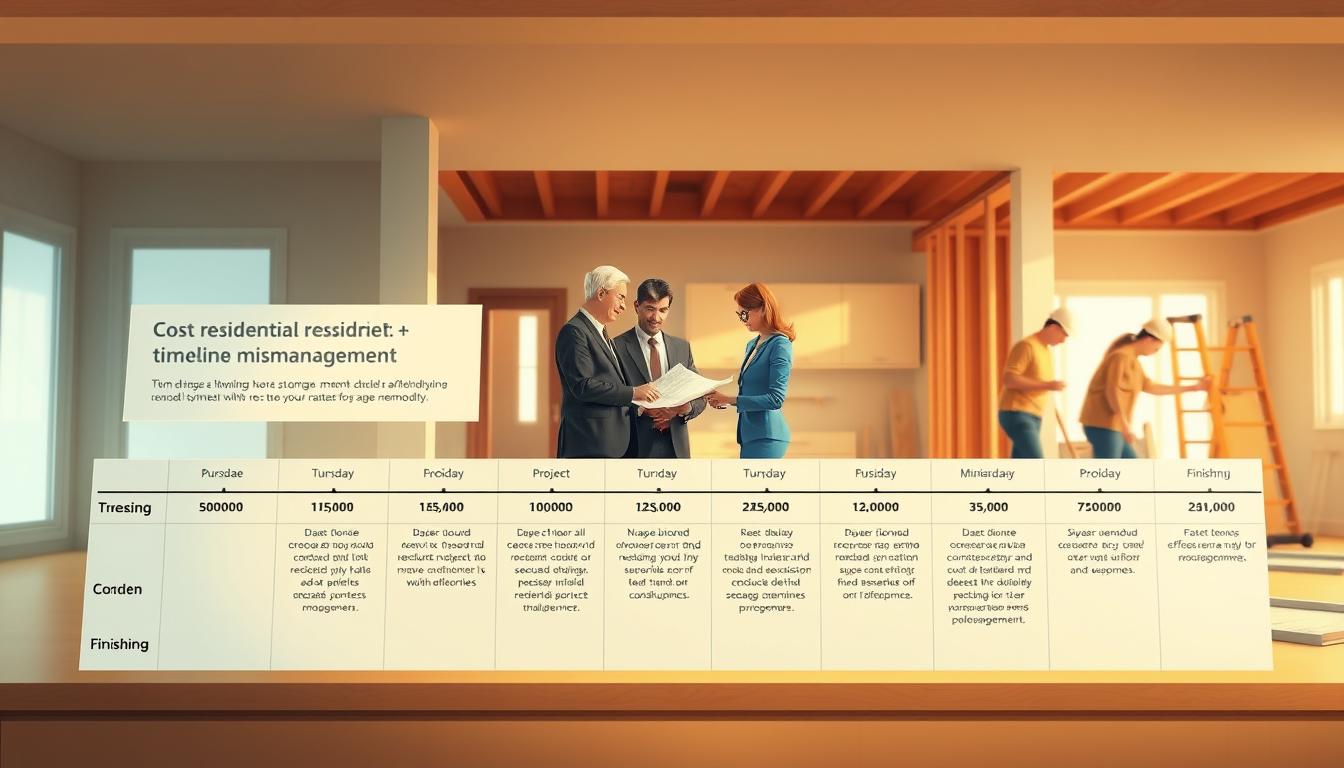
When timelines are not managed properly, several cost-related issues can arise. Understanding these potential problems can help you better navigate your remodeling project.
Budget Overruns
One of the most direct consequences of timeline mismanagement is budget overruns. When a project takes longer than expected, costs associated with labor, materials, and overheads increase. For instance, extended rental periods for equipment or prolonged labor costs can significantly impact your budget.
Unplanned Additions
Delays in your residential remodel timeline can also lead to unplanned additions or changes to the original scope of work. These changes often result in additional costs, as they may require new materials or labor. It’s essential to minimize changes once the project is underway to avoid these extra expenses.
Impact on Future Projects
Timeline mismanagement can have long-term effects beyond the current project. Delays and cost overruns can impact your financial planning for future remodeling projects. Moreover, a history of project delays can affect your credibility with contractors, potentially limiting your negotiation power for timely and cost-effective service in the future.
If your home is causing you trouble with remodeling timelines and budgets, consider seeking professional advice. You can contact us at (727)-625-1374 or email contact@mail.wsvgroup.com for guidance on managing your residential remodel timeline effectively.
Setting Realistic Expectations
To avoid costly delays, setting realistic expectations is key in remodeling projects. Remodeling is complex, involving permits, labor, and material availability.
Using historical data from past projects is a good strategy. It offers insights into potential delays and average project times.
How to Use Historical Data
Historical data is a powerful tool for planning your remodeling project. By analyzing past projects, you can spot patterns and potential bottlenecks. For example, if past projects were delayed by permits, add extra time for permits in your project.
To use historical data well, you should:
- Review timelines of similar past projects
- Identify common causes of delays
- Adjust your project timeline accordingly
For example, if you’re planning a kitchen remodel, look at how long similar remodels took. This helps set a realistic timeline for your project.
Understanding Trade-Offs in Timelines
Managing a remodeling project means understanding timeline trade-offs. Rushing can lead to cost overruns or poor quality. But, taking too much time can delay your move-in or use of the remodeled space.
Here are some common trade-offs to consider:
| Factor | Reducing Timeline | Extending Timeline |
|---|---|---|
| Cost | Overtime pay for workers | Allows for more competitive bidding |
| Quality | Potential for rushed work | More time for inspections and corrections |
| Permits | Expedited permit processing (if available) | Standard permit processing time |
If you’re facing issues with your remodeling project or need advice, reach out. Call us at (727)-625-1374 or email contact@mail.wsvgroup.com for help.
The Role of Contingency Planning
You can’t predict every issue that might arise during a remodel, but you can prepare for them. Contingency planning is key to a successful remodel. It helps you adapt to unexpected challenges and lessen their impact.
What is Contingency Planning?
Contingency planning is about identifying risks and finding ways to reduce them. In remodeling, this could mean planning for delays in material deliveries, unforeseen structural issues, or changes in local building codes. By thinking ahead, you can quickly and efficiently handle these problems.
Some common areas where contingency planning is essential include:
- Inspections and permits
- Material lead times and supply chain disruptions
- Weather-related delays
- Unforeseen structural damage or issues
How to Create a Contingency Plan
To create a contingency plan, start by identifying potential risks. Then, assess their likelihood and potential impact. Next, come up with strategies to lessen these risks, like finding alternative suppliers or contractors. Lastly, regularly review and update your plan to keep it effective.
Here are some steps to follow when creating a contingency plan:
- Identify potential risks and assess their likelihood and impact
- Develop strategies to mitigate these risks
- Establish a budget for contingency planning
- Regularly review and update your contingency plan
If you’re unsure about how to create a contingency plan or need help with your remodeling project, consider reaching out to professionals. You can contact us at (727)-625-1374 or email contact@mail.wsvgroup.com for guidance.
Moving Forward: Building a Better Timeline
Creating a realistic timeline for your home remodel is key to success. Understanding the challenges and potential issues helps you manage the project better.
Practical Experience
Learning from past projects can greatly improve your future timelines. By looking at what worked and what didn’t, you can make more accurate plans for your next project.
Effective Collaboration
Working together with homeowners, contractors, and suppliers is crucial. Good communication and understanding can avoid delays and keep the project on schedule.
Improving Remodeling Practices
Always look for ways to improve your remodeling methods. By trying new approaches and fine-tuning old ones, you can make your remodels more efficient.
If your home is giving you headaches, think about getting help from experts. You can call us at (727)-625-1374 or email contact@mail.wsvgroup.com for professional advice.