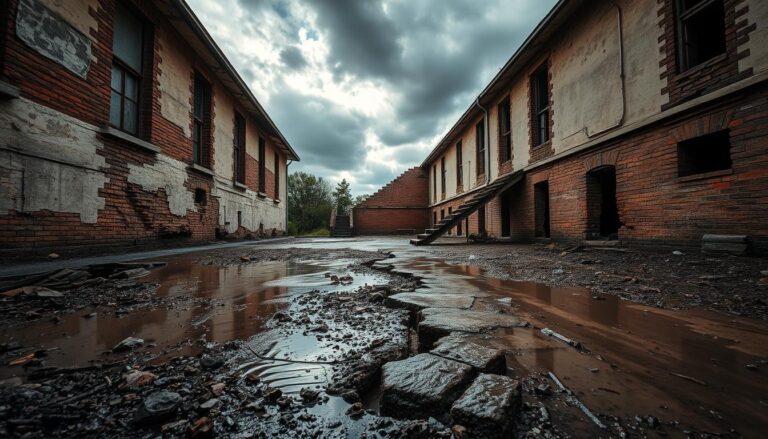
Did you know that in 2016 alone, severe weather events led to over $1 billion in property damage due to flooding? This staggering figure highlights the urgent need for effective storm hardening measures. When high winds and heavy rains strike, they can wreak havoc on both residential and commercial properties. Understanding how to prepare your site is crucial.
Severe weather can interrupt projects, endanger workers, and cause costly delays. That’s why planning ahead is essential. You must consider factors like site access, emergency responses, and the safety of your materials and equipment. With a solid plan in place, you can significantly reduce risks associated with these hazardous events.
This guide will walk you through the necessary steps to inspect your site, improve construction methods, and ensure that your team is ready to act when the weather turns. Being proactive not only protects your investment but also safeguards lives.
Key Takeaways
- Severe weather can cause significant damage and delays in construction projects.
- High winds and flooding led to over $1 billion in property damage in 2016.
- Planning for severe weather is crucial for protecting your site and workers.
- Improving construction methods can enhance safety during storms.
- A documented plan and practiced response can minimize risks.
Assessing Your Site’s Vulnerabilities
Evaluating your site for potential weather-related risks is essential to safeguard your property. Start by consulting the National Weather Service Hazardous Weather Outlook. This resource can identify expected hazards up to seven days in advance.
Next, assess the topography of your site. Nearby rivers, low ground, and incomplete drainage can direct heavy rains toward excavations and lower levels. Understanding these factors helps you plan effectively.
Don’t overlook hurricane exposure, even outside the typical season from June 1 to November 30. Tropical systems can develop at any time, posing risks to your construction site.
It’s also wise to review historical storm data. Comparing records of flooding, lightning, and wind can inform your current construction phase. Keep a NOAA Weather Radio handy to receive alerts directly from the National Weather Service, especially during emergencies.
Upgrading Construction Methods for Severe Weather
Understanding how to secure your construction site against severe weather is crucial. High winds can lead to significant damage, especially to masonry walls, frameworks, and roof coverings. Implementing wind-resistant techniques is essential for protecting your investment and ensuring worker safety.
Bracing tilt-up panels and masonry walls according to engineering guidelines is vital. These components lack their final strength until properly secured. Every day, anchor roof panels and ensure that unfinished wall panels are tied down, particularly when exposed to high winds.
To prevent erosion, cover loose materials like sand and topsoil with weighted tarps or temporary windbreaks. This helps keep your site organized and minimizes the risk of projectiles during storms.
Additionally, cranes must adhere to manufacturer instructions regarding wind conditions. When winds exceed limits, halt crane lifts and follow the prescribed storage procedures.
| Construction Element | Recommended Action | Reason |
|---|---|---|
| Tilt-up Panels | Brace according to guidelines | Unfinished components are weak |
| Roof Panels | Anchor daily | Prevent wind damage |
| Loose Materials | Cover with tarps | Avoid erosion and projectiles |
| Cranes | Stop lifts in high winds | Ensure safety and compliance |
In 2016, high winds caused 23 deaths and $95.8 million in property damage across the United States. Securing unfinished construction is not just a precaution; it’s a fundamental part of your job.

Harnessing Durable Materials and Equipment
Choosing the right materials and equipment can significantly enhance your site’s resilience against severe weather. You must prioritize durability and protection from water when making these decisions. This ensures that your construction remains intact during storms and heavy rains.
First, delay installing finished products like drywall, flooring, and millwork until the roof is secured, and all openings are closed. This approach keeps water out and protects your investment. Additionally, ensure that drainage systems are operational before placing high-value subgrade equipment, such as electrical switchgear.
It’s also essential to inspect and specify lightning protection systems, including rods and conductors, before thunderstorms threaten your site. Remember to install UL-listed surge arrestors on electrical panels and data lines. Lastly, protect roof-mounted equipment, like skylights and HVAC units, according to the manufacturer’s guidelines.
| Building Component | Recommended Action | Purpose |
|---|---|---|
| Drywall and Flooring | Delay installation | Prevent water damage |
| Electrical Switchgear | Postpone placement | Ensure drainage systems are functioning |
| Lightning Protection | Inspect systems | Mitigate storm risks |
| Surge Arrestors | Install on panels | Protect electrical systems |
| Roof-mounted Equipment | Follow manufacturer guidance | Ensure proper protection |
Ensuring Worker Safety During Storm Events
Worker safety is paramount during severe weather. Establishing clear protocols helps protect your team from potential hazards. You must have a plan in place that outlines when to evacuate, where to shelter, and who makes the final call. During dangerous conditions, no one should stay behind to protect equipment. Safety must always come first.
When lightning strikes, outdoor work must stop immediately. Workers should move to enclosed shelters and remain there until 30 minutes after the last thunder. It’s also crucial to train crews to recognize the signs of heat illness. In 2016, construction recorded 11 worker deaths from heatstroke, which can raise body temperature to 106 degrees Fahrenheit.
Snow removal is another high-risk area. OSHA reviewed cases involving rooftop snow removal injuries and found that all could have been prevented with proper precautions. Additionally, employers with more than 10 employees must maintain a written emergency action plan as per OSHA regulation 1910.38.
When a hurricane warning is issued, indicating that conditions may arrive within 24 hours, work should cease. Assign final tasks, and evacuate workers rather than risking their safety to protect equipment.
| Emergency Action Item | Recommended Action | Reason |
|---|---|---|
| Lightning Storm | Move to enclosed shelter | Ensure safety from lightning |
| Heat Illness | Train crews on symptoms | Prevent heat-related deaths |
| Snow Removal | Implement safety precautions | Avoid injuries and fatalities |
| Hurricane Warning | Cease work and evacuate | Protect workers from hazards |
Position WSV for storm-readiness work
Establishing a clear action plan is vital for navigating the challenges posed by severe weather. Your project superintendent should lead this effort, focusing on specific tasks and timelines. Begin preparation during a hurricane watch by reviewing your preparedness checklist. Identify equipment and materials that require protection.
When a hurricane warning is issued, it’s time to implement all necessary protection measures. This is crucial as hurricane-force winds may arrive within 24 hours. As landfall approaches, all work activities should cease, and personnel must evacuate to ensure safety.
Relocating heavy equipment, such as tugs and barges, may require substantial lead time. Therefore, plan accordingly. Schedule a final site check to verify that all tie-downs, bracing, and drainage systems are secure. This includes ensuring temporary coverings are in place and power shutdowns are completed.
Positioning your team effectively for storm preparation is essential. If you need assistance, call (727)-625-1374 or email contact@wsvgroup.com for practical storm readiness support.

Streamlining Onsite Storm Preparation
Ensuring your site is ready for severe weather can prevent costly damages and delays. A practical checklist can help you manage preparations effectively on storm days. Here are essential steps to consider:
- Secure signage and lightweight objects: Move these indoors or cover them with weighted tarps to prevent them from becoming projectiles in high winds.
- Evacuate scaffolding: Ensure all workers leave scaffolding during thunderstorms, snowstorms, and high-wind events, securing the scaffold to the building.
- Clear stormwater inlets: Remove debris from catch basins to protect drains from sand and test water pumps to avoid flooding.
- Cover excavation holes: This step is crucial before heavy rains to prevent water accumulation.
- Disconnect temporary utilities: Ensure power, gas, and water connections are safely disconnected, keeping a generator available for emergencies.
- Protect windows: Use storm shutters or plywood, as tape will not prevent glass from shattering.
- Document the site: Take daily photographs to record any damage for insurance claims and track construction progress.
Conclusion
Preparing your site for extreme weather is essential to minimize potential damage. Storm hardening is most effective when you identify specific exposures and integrate protective measures into your construction planning.
Secure unfinished walls, roof panels, and equipment before high winds can turn them into hazards. Protect your workers by establishing clear shelter rules and evacuation protocols.
Keep drainage systems operational and delay vulnerable finishes until your building is watertight. Document your site before and after major storms to assist with any insurance claims.
Your home causing you trouble? Call us at (727)-625-1374 or email contact@wsvgroup.com for straightforward help assessing storm-related construction concerns.