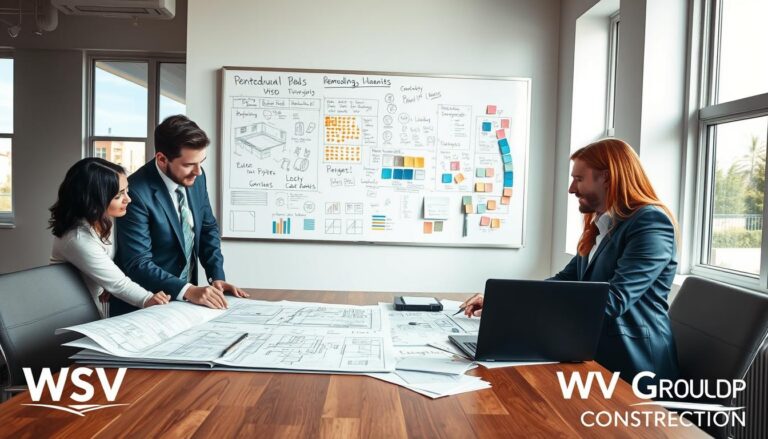
Did you know that apartment residents may spend about 40% of their income on housing costs? This staggering statistic highlights the importance of effective planning in home renovations. When you’re living in a space where construction is underway, it can feel overwhelming. However, construction phasing offers a solution by breaking complex home projects into manageable areas. This method allows you to continue living in your home while work progresses.
Today’s buyers often begin their search by browsing property photographs online. A home that appears cluttered or chaotic can deter potential interest. Therefore, it’s crucial to maintain usable space and access during renovations. This way, you can keep your property appealing to buyers while minimizing disruption to your daily life.
In this article, we’ll explore essential aspects such as safety, sequencing, staging, layout, and communication. From the first demolition task to the final touches, we’ll guide you through each step. If your property is causing you trouble, feel free to reach out at (727)-625-1374 or contact@wsvgroup.com.
Key Takeaways
- Construction phasing allows you to stay in your home during renovations.
- Effective planning helps protect your daily life while work continues.
- Maintaining a tidy space can attract potential buyers.
- Communication is key throughout the renovation process.
- Safety and sequencing are essential for a smooth project.
The Value of Construction Phasing in Home Projects
In the world of home renovations, effective planning is essential. Construction phasing allows you to break down complex tasks into manageable segments. This ensures that one area remains usable while work continues in other parts of your home.
For instance, a 400-square-foot Chicago apartment may require a different setup than a cozy loft in New York. Each space demands a tailored approach to staging. This is why generic advice often falls short. Temporary barriers, dust control, and marked work zones keep active areas safe and organized.
Moving furniture and materials in planned stages helps protect your room layout. It preserves access and prevents crews from undoing completed work. As apartment staging becomes a multifamily trend, it shows that buyers increasingly value how a property flows and functions.
If your home is causing you trouble during renovations, don’t hesitate to reach out. Call (727)-625-1374 or email contact@wsvgroup.com for a workable sequence that minimizes disruption.
Help owners understand why project staging matters
Effective project staging is crucial for achieving seamless home renovations. This approach involves a careful sequence of work, ensuring that each step is well planned. It’s not just about placing attractive furniture; it’s about protecting spaces, managing storage, and maintaining access.
The National Association of Realtors highlighted the significance of staging in a report dated September 27, 2021. This guidance reinforces how a well-presented property can attract more buyers and enhance its market value.
Staged homes often sell faster and can command prices up to 20% higher. This statistic illustrates the potential benefits of investing in proper staging. Clear explanations of the staging process help everyone involved—buyers, agents, and homeowners—know what to expect.
Documenting completed phases also provides a practical reference for future maintenance or additional improvements. Reliable communication during this process can lead to referrals and repeat business, as satisfied clients share their positive experiences.
| Benefit | Details | Impact |
|---|---|---|
| Faster Sales | Staged properties sell quicker than non-staged ones. | Increased buyer interest and quicker transactions. |
| Higher Prices | Staged homes can sell for up to 20% more. | Greater return on investment for homeowners. |
| Enhanced Visualization | Helps buyers imagine living in the space. | Improved emotional connection to the property. |
Strategic Home Staging: Real Talk and No-Nonsense Tips
Today’s competitive market demands that you present your home in the best light possible. Staging your property effectively can enhance buyer connections and increase interest. International Staging has been helping homeowners since 2005, showcasing the importance of experience in this field.
When staging, consider the following:
- Focus on clarifying how your property works, rather than hiding flaws with trendy furniture.
- Utilize furniture placement and design details to highlight room proportions and features.
- Remember that Boston buyers often compare property photographs online, so avoid clutter and awkward layouts.
- Access to a 15,000-square-foot warehouse allows stagers to select varied furnishings, enhancing your home’s appeal.
- Don’t overspend on unnecessary renovations; targeted changes can solve the actual issues.
By following these practical tips, you can create a welcoming atmosphere that resonates with potential buyers. Staging isn’t just about aesthetics; it’s about making your home stand out in today’s market.

Real Examples from the Field: Lessons and Reminders
Real-life examples can provide invaluable insights into the world of home renovations. Take Peggy Harrington of Wow Factor Home Staging, for instance. One of her staged flipped homes sold to the first buyer who walked through the door. This highlights the impact of effective staging on a property’s appeal.
In another case, Harrington staged a home that sold in just three weeks during the Christmas season. This demonstrates that timing and presentation can significantly influence sales, even in a challenging market.
However, communication is vital. One real estate agent waited four years before reaching out to Harrington again about a VIP client. This serves as a reminder that satisfied clients may forget available services unless they receive timely reminders.
To enhance future projects, contractors and stagers should document completed phases and share recommendations. Peggy’s experience since 2002 underscores the importance of consistent follow-up. Past clients, friends, and agents may return unexpectedly, making it crucial to keep communication lines open.
Separating useful reminders from spam can be achieved by sending practical updates on consultations, color advice, and preparation for future sales.
Apartment and Home Staging for Maximum Impact
Creating a lasting impression in your home can significantly influence potential buyers. The right staging can enhance your property’s appeal and boost its market value.
To effectively stage your space, consider these key elements:
- Use three to five statement pieces per room, such as a stylish floor lamp or a cozy throw rug. This approach helps define the space while avoiding clutter.
- Opt for neutral colors with subtle blue or green accents. These choices allow buyers to envision their belongings in the space, rather than being distracted by bold personal styles.
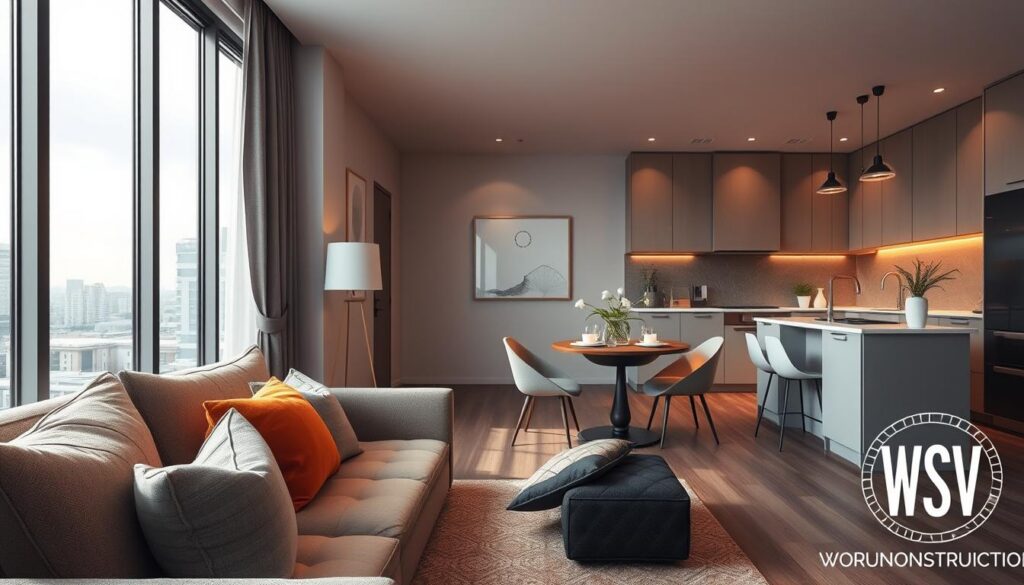
- In a 400-square-foot Chicago apartment, multifunctional furniture can maximize the perceived value. A sofa bed or a folding dining table can serve multiple purposes without overcrowding.
- Demonstrate how a single area can function for dining, work, and living. Thoughtful furniture placement can showcase realistic uses, enhancing the flow of the space.
- Utilize natural light and soft white bulbs to create an inviting atmosphere. Mirrors and proportional furniture can also help make the area feel larger.
According to Redfin’s guidance from April 18, 2022, detailed preparation is crucial for consistent results. Remember, buyers often commit around 40% of their income to their living space, making that emotional connection essential.
Integrating Construction Phasing with Staging Tactics
Combining construction phasing with effective staging can keep your home both functional and appealing during renovations. This strategy allows you to manage ongoing work while maintaining a welcoming atmosphere for potential buyers.
Apartment staging is gaining traction as a multifamily property trend, emphasizing the importance of thoughtful planning in shared spaces. Here’s how you can phase your renovation effectively:
- Phase repairs, painting, and flooring so one room remains usable while another is under construction.
- Use temporary furniture arrangements and protect surfaces to ensure safety and productivity for the crew.
- Apply the same staging principles to shared areas like lobbies and outdoor spaces, enhancing overall appeal.
- Prepare hallways and amenity zones in separate phases to present an organized property to buyers or residents.
- Incorporate parcel lockers as a functional amenity, improving convenience and security during construction.
The best staging plan highlights your property’s potential without misleading buyers about the state of ongoing work. This balanced approach keeps your home usable and presentable, ensuring a smoother renovation experience.
| Phase | Action | Benefit |
|---|---|---|
| Repairs | Focus on essential fixes first. | Maintains functionality in key areas. |
| Painting | Complete one room at a time. | Reduces disruption and enhances aesthetics. |
| Flooring | Install in sections. | Minimizes chaos and keeps spaces usable. |
| Shared Areas | Staging lobbies and hallways. | Creates a welcoming first impression. |
Conclusion
Maintaining a well-organized home during renovations is crucial for a successful outcome. Construction phasing keeps your space functional by separating work areas from living zones. This method allows you to enjoy your home while improvements take place.
Effective staging and clear communication enhance how buyers perceive a property’s condition and potential. Remember Peggy Harrington’s success with quick sales, demonstrating the value of thorough preparation.
As residents may stay in apartments for months or even years, prioritizing comfort and safety is essential. Treating professional staging and phased construction as coordinated steps will yield the best results.
If your home project is causing trouble, reach out to us at (727)-625-1374 or contact@wsvgroup.com for practical guidance on your next steps.