Did you know that OSHA mandates clearing debris from every job site at the end of each work shift? Yet, many contractors overlook the benefits of maintaining a clean environment throughout the day. A tidy job site isn’t just about following regulations; it significantly impacts safety, productivity, and worker morale.
When clutter and debris accumulate, they create hazards that can lead to accidents. Workers struggle to maneuver around obstacles, making routine tasks more difficult. This not only slows down progress but also increases the risk of injuries.
On the flip side, clean sites enhance client satisfaction and project appearance. A well-organized work environment fosters a sense of professionalism and pride among employees. In this article, we’ll dive into practical tips for maintaining safety, organization, and accountability on construction sites.
Key Takeaways
- Regular debris removal is essential for worker safety.
- A clean job site boosts productivity and employee morale.
- Clients appreciate well-maintained environments, enhancing your reputation.
- Organization helps streamline daily tasks and reduces hazards.
- Implementing housekeeping practices can prevent accidents.
The Foundation of Clean Jobsites: Organization & Safety
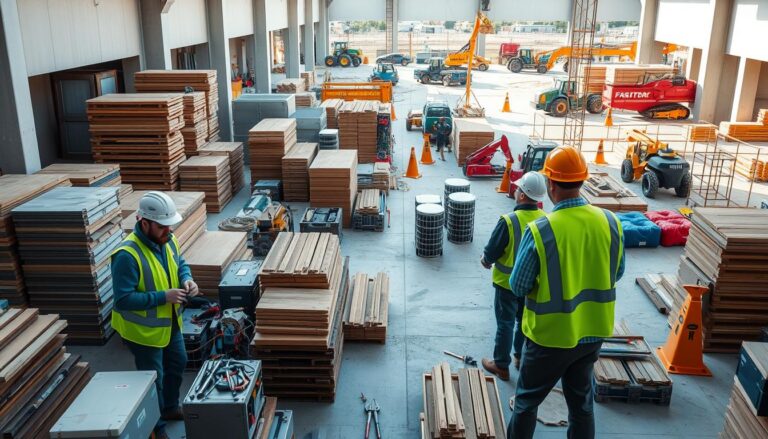
A well-organized job site is crucial for maintaining safety and efficiency. Proper organization allows workers to navigate their environment with ease, reducing the chances of accidents. Clear pathways and accessible tools are essential for completing tasks without wasting time.
According to Connor Sweeney, a Risk Management Consultant at Builders Mutual, preparation and attention to detail are key. When materials are organized, it minimizes the risk of hazards like trips, falls, and injuries from falling debris. Management must prioritize housekeeping daily, rather than treating it as an occasional task.
Creating a controlled work environment boosts worker confidence and promotes a culture of safety. Remember, OSHA’s requirement to clear debris at the end of each shift is just the minimum. Keeping the site clean throughout the day is vital for everyone’s safety.
Explain the importance of jobsite cleanliness
Creating a clean workspace is fundamental for minimizing hazards and maximizing productivity. A tidy environment allows workers to navigate safely, reducing the risk of accidents and injuries. When clutter is cleared, materials and tools can be accessed quickly, enhancing efficiency on site.
Moreover, maintaining cleanliness protects project quality. It limits dust and moisture exposure, which can damage finishes and critical systems. For example, KR Wolfe’s experience in sensitive environments like hospitals highlights the need for disciplined housekeeping. Clean sites not only ensure safety but also show respect for the property and readiness for inspections.
Additionally, a well-kept site fosters a culture of pride among employees. When workers see an organized environment, it boosts morale and makes tasks feel less overwhelming. Consistent housekeeping practices lead to fewer inspection issues and delays, reinforcing a commitment to quality and safety.
| Benefits of Cleanliness | Impact on Safety | Effect on Quality |
|---|---|---|
| Reduces Hazards | Minimizes trip and fall risks | Protects finishes and equipment |
| Enhances Efficiency | Facilitates quick access to tools | Ensures compliance during inspections |
| Boosts Employee Morale | Promotes a sense of pride | Improves overall project quality |
Implementing Effective Housekeeping Practices
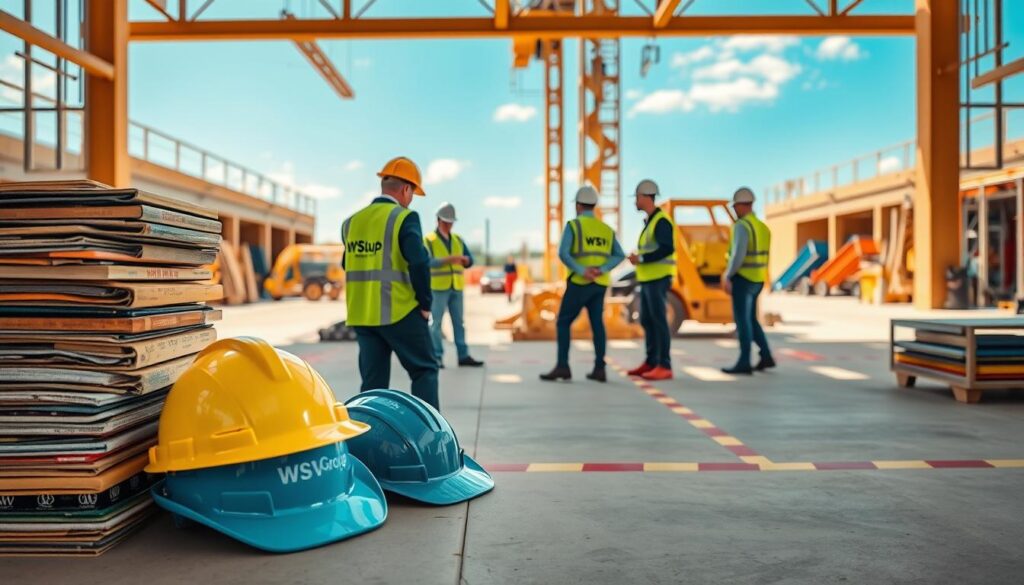
Establishing effective housekeeping practices is vital for maintaining a safe and efficient work environment. A structured approach ensures that cleanliness is prioritized throughout the day.
Routine cleanups should occur during shift changes and at the end of each day. This makes housekeeping a part of daily operations rather than an afterthought. Supervisors can enhance accountability through regular walkthroughs and documented safety audits.
Scheduling Routine Cleanups and Walkthroughs
Scheduled cleanups help prevent clutter from accumulating. During these times, workers can focus on maintaining a tidy site, which significantly reduces hazards.
Assigning Responsibilities for Continuous Maintenance
Assign specific workers or contractors to manage debris removal, tool storage, and waste stations. This fosters a culture of responsibility and pride in the work environment.
Utilizing Proper Storage and Signage for Tools and Waste
Designated storage areas and clear signage help maintain organization. Waste disposal locations should be convenient to encourage proper disposal and minimize risks.
https://www.youtube.com/watch?v=wbDXxaemMIo
Conclusion
A clean and organized construction site is key to ensuring worker safety and project success. By implementing scheduled housekeeping, clear storage, and designated waste areas, you can significantly reduce potential hazards in your work environment.
Remember, cleanliness is not just about appearance; it safeguards quality, supports inspections, and boosts morale. It reflects your company’s respect for the site and its occupants.
OSHA’s end-of-shift debris requirement is merely the starting point. Continuous attention to cleanliness throughout the day keeps your job controlled and efficient.
Investing a small amount of time in maintaining order can prevent injuries, delays, and costly operational issues. Your Home causing you Trouble? Call us at (727)-625-1374 or email contact@wsvgroup.com.