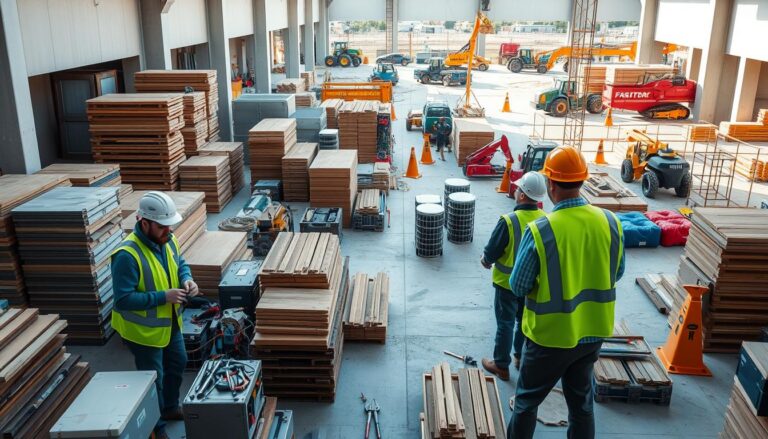
Feeling lost in the world of construction permits and inspections is common. Many homeowners and contractors face this challenge. They often wonder what they can control and what’s beyond their reach.
It’s important to grasp the details of inspections and construction permits for a smooth project. Knowing what you can influence and what you can’t helps manage your expectations. It also improves communication with local authorities. If your home is causing issues, don’t hesitate to seek professional help.
Key Takeaways
- Understand the construction permits process to avoid delays.
- Know what aspects of inspections you can control.
- Improve communication with local authorities.
- Manage your expectations during the permitting process.
- Identify when to seek professional help.
Understanding Permits and Inspections
Before starting your construction project, it’s key to know about permits and inspections. These are important to make sure your project follows local building codes and rules.
What Are Permits?
Permits are official documents from your local government. They let you start your construction project. They check if your project follows the building code standards.
Getting a residential permit is very important for any home work or building project.
To get a permit, you need to send in detailed plans and specs of your project. This makes sure your project follows local laws and building codes.
The Role of Inspections
Inspections are checks by local authorities to see if the work is done right. They check if the work follows the approved plans and building codes. These inspections are very important at different stages of your project.
- Inspections check if the work is safe.
- They make sure the work matches the approved plans and specs.
- Regular inspections can find problems early, saving time and money.
How They Affect Your Project
Knowing about permits and inspections is very important. They can affect your project’s time and money. If there are delays or if inspections fail, it can cost a lot.
By being proactive and understanding the permit and inspection process, you can avoid problems. This means being ready with all the needed documents, scheduling inspections on time, and fixing any issues quickly.
Why Permits and Inspections Matter
Permits and inspections are very important. They make sure your project is legal and safe. These steps help your project meet standards, keep people safe, and might even make your property more valuable.
Legal Compliance
Getting the right commercial permits is key for following the law. Without them, you could face fines, delays, or have to redo work. It’s not just about avoiding trouble; it’s about making sure your project is legal from the start.
- Ensures adherence to local building codes and regulations
- Prevents potential legal issues and fines
- Facilitates a smoother project execution
Safety Considerations
Inspections are vital for making sure your project is safe. Following an inspection schedule helps find and fix safety problems early. This keeps people safe and saves you money by avoiding expensive fixes later.
- Identifies potential safety hazards early
- Ensures compliance with safety standards and regulations
- Enhances the overall safety and quality of the project
Impact on Property Value
Projects with the right permits and inspections are worth more. They are seen as reliable and safe by buyers or renters. Also, having all the right documents makes selling or leasing easier in the future.
By following the rules for permits and inspections, you ensure your project is legal, safe, and valuable. This careful planning is essential for a successful project.
Common Misconceptions About Permits
Many people see permits as a hassle, but they’re key for safety and following building codes. Homeowners and contractors often misunderstand permits, which can cause delays, fines, or even stop projects.
Knowing the truth about permits can make your construction journey smoother. Let’s clear up some common myths:
Permits Are Just Bureaucracy
Yes, getting permits involves paperwork and waiting. But, it’s vital for ensuring your project is safe and follows local building codes. Permits check if your work is safe and meets local rules.
Inspections Slow Down Projects
Inspections are a big part of permits. They might find issues, but they shouldn’t hold up your project too much. By knowing what inspectors look for and preparing your site, you can avoid delays. Inspections help make sure your project is up to standard.
Only Contractors Need Permits
It’s often thought that only contractors need permits. But, as a property owner, you’re responsible for permits. Your contractor might do the paperwork, but you must know what permits are needed and check if they’re obtained.
By clearing up these myths, you can handle permits better. This way, your project will be done on time, within budget, and meet all standards.
Educating Yourself on the Process
Starting a construction or renovation project? Learning about the permitting process can save you time and money. Knowing what you need for construction permits and residential permits is key for a smooth project.
Researching Local Requirements
First, research the local rules for construction permits and residential permits. Each area has its own set of rules, so it’s important to know them.
Start by checking your local government’s website or calling your building department. They can tell you what permits you need, how to apply, and any costs involved.
Importance of Staying Informed
Keeping up with changes in rules is crucial. New building codes or zoning laws can affect your project’s schedule and budget.
To stay informed, sign up for newsletters from your building department. You can also attend community meetings or join local construction groups.
Your Role in the Process
As a homeowner or contractor, you have a big part in the permitting process. This includes getting the right permits, making sure work meets code, and scheduling inspections.
By knowing your role and staying ahead, you can avoid delays. This ensures your project is finished on time and within budget.
Your Responsibilities as a Property Owner
As a property owner, you’re in charge of making sure your project follows local rules. This means taking on several important tasks to get your project done right.
Obtaining Necessary Permits
Before starting any work, getting the right commercial permits is key. This step helps avoid legal problems and ensures your project meets building codes. You’ll need to send detailed plans and specs to your local permitting office for review.
The process can change based on your project and where it’s located. It’s smart to talk to local authorities or a pro to figure out what permits you need.
Scheduling Inspections
After getting the needed permits, the next step is to plan inspections. This is important to check if the work is done right and follows the approved plans.
Working with your inspector to make an inspection schedule helps keep things on track. This way, all inspections happen on time, avoiding project delays.
| Inspection Type | Description | Typical Stage |
|---|---|---|
| Foundation Inspection | Verifies the foundation is laid correctly. | After foundation is laid, before concrete is poured. |
| Frame Inspection | Checks the structural integrity of the building frame. | After framing is completed, before insulation is installed. |
| Final Inspection | Ensures the completed project meets all building codes and regulations. | After all work is completed. |
Pre-Inspection Preparations
To make the inspection process smooth, prepare your site well. Make sure everything is accessible, clean up, and have all needed documents ready for the inspector.
Being proactive and prepared helps avoid delays. This way, your project can keep moving forward without any hitches.
The Timeline for Permits and Inspections
Understanding the permit and inspection timeline is key to a successful project. It helps you plan better. Knowing what to expect can make a big difference.
Factors Affecting Permit Approval
Several things can affect how long it takes to get a permit. These include how complex your project is, how complete your application is, and the office’s workload. A detailed and complete application can speed things up.
Permit Approval Timeline Factors
| Factor | Description | Impact on Timeline |
|---|---|---|
| Project Complexity | The more complex your project, the more detailed the review process will be. | Increased review time |
| Application Completeness | Submitting a complete application with all necessary documents. | Reduced processing time |
| Local Office Workload | The current workload of the local permitting office. | Variable processing time |
Typical Inspection Schedules
Inspections are key to ensuring your project meets the building code and regulations. They are scheduled at different project stages, from foundation to final completion.
Knowing when inspections are needed helps plan your project more efficiently. It’s important to schedule them in advance to avoid delays.

Managing Your Expectations
It’s important to manage your expectations about the timeline for permits and inspections. While exact timelines are hard to predict, having a general idea helps plan better.
Regular updates from your local permitting office and staying informed about your permit status can help manage your expectations. This reduces frustration.
Communicating with Local Authorities
Getting construction permits is not just about knowing the rules. It’s also about talking well with local officials. Knowing how to talk to them can really help your project succeed.
Building Relationships with Inspectors
Getting along with inspectors can make getting permits easier. To do this, be ready and polite during checks. Here are some tips:
- Make sure your site is clean and easy for inspectors to get to.
- Have all your documents and permits ready to go.
- Be there during checks to answer any questions or worries.
How to Approach Permit Offices
Talking to permit offices needs clearness and patience. Here are some ways to make your talks better:
- Be clear about why you’re there.
- Have all your project details ready.
- Be ready to ask questions and listen to answers.
Importance of Clear Communication
Clear talk is key to a smooth permitting process. Being open and direct helps avoid mistakes and keeps your project on track. Remember, good communication goes both ways; listen as much as you talk.
For home permits, knowing what documents and when they’re needed can cut down on delays. Take the lead in understanding what your area needs.
Ways to Expedite Permits and Inspections
Getting your commercial permit and inspection done smoothly starts with early planning and keeping in touch. Knowing what steps to take and being proactive can cut down the time needed for approval and scheduling.
Start Early in Your Project
Starting your commercial permit application early is key. It lets you find and fix problems before they slow you down.
Starting early also gives you time to deal with any surprises in the permitting process.
Submitting Complete Applications
It’s important to make sure your commercial permit application is full and right. Applications missing info cause delays because they need more time to fix.
Checking your application for any missing pieces can make the approval process faster.
Following Up Regularly
Keeping in touch with your local permitting office helps keep your inspection schedule on track. Talking to the officials handling your permit keeps you updated on your application’s status.
This way, you can quickly solve any problems, avoiding delays in your project.
How Delays Happen Beyond Your Control
Even with careful planning, things outside your control can slow down permits and inspections. Knowing what these factors are can help you manage your project’s timeline better. It also helps you prepare for unexpected delays.
City Workloads and Staffing Issues
One big factor is the workload and staff levels of your local building department. Budget issues or unexpected staff shortages can slow down the process.
For example, during busy construction times, many places get more permit requests. This can make things take longer. Also, if inspectors are out or there are vacancies, delays can happen.
Changes in Regulations
Changes in building codes, zoning laws, or permit rules can also affect your project. These changes might mean you need to update your plans or provide more information. This can cause delays.
For instance, if there’s a new rule about inspections, you might need to change your plans. Keeping up with regulatory changes can help you avoid these delays.
Weather-Related Delays
Bad weather can also slow down permits and inspections, especially if they need to happen outside. Rain, snow, or extreme temperatures can make it hard for inspectors to do their job.
Severe weather can also damage things, leading to a big backlog in inspections. This is because resources are needed to deal with the damage first.

To understand potential delays, let’s look at some common ones and how they affect timelines:
| Delay Factor | Typical Impact | Mitigation Strategy |
|---|---|---|
| City Workloads | Longer permit processing times | Plan ahead, submit applications early |
| Regulatory Changes | Revisions to plans or additional documentation | Stay informed about regulatory updates |
| Weather-Related Issues | Inspection delays or cancellations | Schedule inspections during favorable weather |
By understanding these factors and planning ahead, you can reduce the impact of delays on your project’s timeline.
Avoiding Blame in the Permitting Process
Being proactive and open can help you avoid blame in the construction permit process. This process can sometimes cause tension between contractors and homeowners. By using a few strategies, you can keep a good relationship with your clients and keep your project on schedule.
Keeping Clients Informed
Keeping your clients in the loop about the permitting process is key. Explain the different residential permits needed, like electrical or plumbing permits. Regular updates can help manage their expectations and reduce stress.
- Provide clear explanations of the permitting process and its importance.
- Keep clients updated on the status of their permit applications.
- Be available to answer questions and address concerns.
Setting Realistic Timelines
It’s important to set realistic timelines to manage client expectations. Delays can occur due to many reasons, like changes in regulations. By setting realistic timelines, you can avoid blame and keep a good relationship with your clients.
- Research the typical processing times for different types of permits in your area.
- Factor in potential delays when creating your project timeline.
- Communicate clearly with your clients about what to expect and when.
Documenting Every Step
Documenting every step of the permitting process is crucial. It provides a clear record of your efforts and protects you from blame. Keep copies of all permit applications, correspondence with local authorities, and records of inspections.
By following these strategies, you can maintain a positive relationship with your clients and ensure a successful project outcome. Remember, being transparent and communicating well are key to avoiding blame and achieving your project goals.
When to Seek Professional Help
Starting a big construction or renovation project? Knowing when to ask for help is key. These projects have many parts, complex designs, and strict rules. It’s hard for one person to handle the permits alone.
Understanding Complex Projects
Big projects, like commercial buildings or big renovations, need a lot of knowledge about permits. You’ll need a commercial permit and a good inspection schedule. Each part, like electrical and plumbing, needs its own permits and checks.
Benefits of Hiring a Permit Expediter
A permit expediter knows how to deal with the permit process. They make sure all papers are right and on time. This saves you time, reduces stress, and keeps your project on track.
Knowing When to Call an Expert
Not sure about permits or feeling stuck? It’s time to get an expert. If you’re confused about permits, having trouble with inspections, or don’t get the rules, you need help. An expert can ensure your project is done right and on time.
Knowing when to ask for help makes your project’s permit process easier. This leads to a smoother finish.
Get Help with Your Home Projects
Dealing with permits and inspections can be tough. But you don’t have to do it by yourself. Our team is here to help you manage your home projects.
Expert Guidance for Your Projects
We know all about permits and inspections. We make sure your project follows the local building code and rules. We’re here to help you through the permitting process.
Reach Out to Us
Having trouble with your home project? Contact us. Call (727)-625-1374 or email contact@mail.wsvgroup.com. We’re ready to help your project succeed, from permits to inspections.
Let us guide you through home renovations. We ensure your project is done on time and meets all building codes and regulations.