Are you having trouble keeping your tenant improvements within budget? You’re not alone. Many businesses struggle to renovate their leased spaces without overspending.
Managing tenant improvements well is key to avoiding big costs. The trick is to spot and fix potential budget problems early. In this article, we’ll show you how to handle TI challenges and the top 5 budget killers to watch out for.
Need help with your space? Call us at (727)-625-1374 or email contact@mail.wsvgroup.com for expert advice.
Key Takeaways
- Understand the importance of managing tenant improvements effectively.
- Identify potential budget killers in your TI project.
- Learn strategies to mitigate risks and stay within budget.
- Discover the top 5 budget killers to watch out for in TI projects.
- Get expert tips on navigating the complexities of tenant improvements.
Understanding Commercial Tenant Improvements
Commercial tenant improvements turn a basic or old space into a perfect fit for your business. Knowing about tenant improvements helps you deal with the leasing process of commercial properties.
What Are Tenant Improvements?
Tenant improvements are custom changes made to a leased space for the tenant’s needs. These can be small cosmetic updates or big renovations, like commercial renovation projects that change the space a lot.
Importance of Tenant Improvements
Tenant improvements are key because they let you make a space that fits your business needs. A good design boosts employee work and customer satisfaction. It also shows your brand’s image. Plus, it can make the property more valuable for future tenants.
Common Types of Tenant Improvements
Businesses often do several types of tenant improvements. These include:
- Renovating the office layout to improve workflow and collaboration
- Upgrading electrical and data cabling to support modern technology needs
- Enhancing the aesthetic appeal through new flooring, lighting, and wall finishes
- Installing specialized equipment or fixtures required for your business operations
Knowing about these tenant improvements helps you plan and do your commercial renovation better.
| Type of Improvement | Description | Benefits |
|---|---|---|
| Office Layout Renovation | Redesigning the workspace to enhance collaboration and workflow | Improved productivity, better team dynamics |
| Electrical and Data Cabling Upgrades | Upgrading infrastructure to support modern technology | Increased efficiency, reduced downtime |
| Aesthetic Enhancements | Improving the visual appeal of the space | Enhanced brand image, improved customer experience |
If your current space is not working for you, get help from professionals. Call us at (727)-625-1374 or email contact@mail.wsvgroup.com for advice on your commercial tenant improvement projects.
The Role of Property Managers in TI
Property managers are key in the tenant improvement process. They make sure projects are done on time and within budget. They handle both the paperwork and the hands-on work.
Key Responsibilities of property managers include overseeing the TI build-out process, managing budgets, and coordinating with contractors. They ensure all work meets high standards and follows regulations.
Key Responsibilities
Property managers are responsible for:
- Managing the budget and ensuring cost-effectiveness
- Coordinating with contractors and suppliers
- Overseeing the construction process
- Ensuring compliance with building codes and regulations
As Mark Twain once said, “The secret of getting ahead is getting started.” In TI, this means property managers must be proactive and start projects right.
Choosing the Right Contractors
Choosing the right contractors is key for a successful TI build-out. Property managers must check contractors’ references and past work to ensure they’re skilled.
“A good contractor can make all the difference in the success of a TI project,” says Jane Doe, a seasoned property manager. “It’s worth taking the time to find someone who is reliable and skilled.”
To find the right contractor, property managers should:
- Request detailed quotes and compare prices
- Check for relevant certifications and licenses
- Review past projects and client testimonials
If you’re having trouble with your property management or TI project, don’t hesitate to seek help. You can call us at (727)-625-1374 or email contact@mail.wsvgroup.com for assistance.
Identifying the Five Budget Killers
Knowing the common pitfalls in tenant improvement projects is key to keeping your budget in check. When starting such a project, being aware of potential budget killers helps you manage it better.
Hidden Costs in Design
Hidden costs in design can sneak up on you. These might include unexpected structural problems, changes in material prices, or design complexities not initially planned. It’s vital to work with skilled architects and designers. They can help create a detailed and realistic plan from the start.
Underestimating Construction Time
Underestimating construction time can lead to delays, higher labor costs, and penalties. A realistic timeline and regular updates can manage expectations and prevent cost overruns.
Overspending on Finishes
Overspending on finishes is another common mistake. High-end finishes can make a space look great but increase costs. Knowing what you need and what’s nice to have can help control expenses.
Unexpected Regulatory Fees
Unexpected regulatory fees, like those for permits, can surprise you. Staying compliant from the start can avoid these extra costs. It’s wise to talk to local authorities and experts to understand all necessary permits and their costs.
| Budget Killer | Description | Mitigation Strategy |
|---|---|---|
| Hidden Costs in Design | Unforeseen structural issues or design complexities | Work with experienced architects and designers |
| Underestimating Construction Time | Extended rental periods and higher labor costs | Create a realistic project timeline |
| Overspending on Finishes | High-end finishes inflating costs | Prioritize must-haves over nice-to-haves |
| Unexpected Regulatory Fees | Fees related to permits and compliance | Consult with local authorities and experts |
If you’re struggling with your tenant improvement project, get professional help. Your space should reflect your needs and dreams. For expert advice, call us at (727)-625-1374 or email contact@mail.wsvgroup.com.
Strategies to Mitigate Budget Killers
Tenant improvement projects can be complex. But, with the right strategies, you can avoid costly surprises. One key area is MEP coordination. This ensures mechanical, electrical, and plumbing systems work well together, preventing costly rework and delays.
Requesting Detailed Quotes
To avoid unexpected expenses, get detailed quotes from contractors. A good quote should cover all project aspects, including labor, materials, and contingencies. This helps you understand your budget better.
- Ensure that quotes include a detailed breakdown of costs.
- Verify that all necessary components of the project are included.
- Check for any potential hidden costs or fees.
Implementing a Contingency Fund
Unexpected issues can happen, even with good planning. A contingency fund helps cover these costs. It’s wise to set aside 10-20% of your budget for contingencies.
Key considerations for a contingency fund:
- Determine the appropriate percentage of the budget to allocate.
- Identify potential risks that the contingency fund could cover.
- Regularly review and adjust the contingency fund as the project progresses.
Building in Flexibility
Flexibility is key in tenant improvement projects. Being able to adapt to changes or unexpected issues can save time and money. This means being open to alternative solutions or materials that cost less.
Consider the following to build in flexibility:
- Identify areas where changes are most likely to occur.
- Develop a plan for alternative solutions or materials.
- Maintain open communication with your contractors and stakeholders.

If you’re facing challenges with your tenant improvement project, don’t hesitate to seek help. You can contact us at (727)-625-1374 or email contact@mail.wsvgroup.com for assistance.
Communication is Key
Good communication is key to a successful Tenant Improvement project. As you work on improving your commercial space, it’s important to keep communication open and clear. This makes sure your needs are met and the project follows all rules, like ADA compliance.
Keeping Tenants Informed
As a tenant, you should know what’s happening with the improvements. Getting regular updates helps manage your expectations and avoids confusion. It’s vital to have a plan for communication that includes:
- Regular project meetings
- Timely updates on project milestones
- Clear channels for reporting concerns or changes
This way, you can make sure your ideas are carried out right and any problems are fixed quickly.
Regular Updates with Contractors
Keeping contractors informed is just as important as keeping tenants. This makes sure the construction stays on schedule and within budget. Effective contractor communication helps avoid expensive delays and ensures the work meets standards, including ADA compliance.
To show how important communication is in TI projects, let’s look at a comparison:
| Aspect | With Regular Communication | Without Regular Communication |
|---|---|---|
| Project Timeline | Stays on schedule | Prone to delays |
| Budget | Less likely to go over budget | More likely to have unexpected costs |
| Compliance | Ensures ADA compliance and other rules | Risks not following rules, which could lead to legal problems |
If you’re having trouble with your Tenant Improvement project, don’t hesitate to ask for help. You can call us at (727)-625-1374 or email us at contact@mail.wsvgroup.com for assistance.
Evaluating Tenant Needs
To make sure your tenant improvement project is a success, you need to understand your needs well. It’s important to know what your tenants want and how it fits with your business goals.
Conducting Pre-Improvement Surveys
Starting with a pre-improvement survey is key. This survey should ask about the layout, upgrades, and any special needs your tenants have.
This information helps you plan better. You can make sure the project meets your tenants’ needs and improves the space’s function.
Prioritizing Must-Haves vs. Nice-to-Haves
After getting the tenant feedback, it’s time to sort out what’s important. You need to know the must-haves and nice-to-haves.
Must-haves are crucial for the project’s success and function. Nice-to-haves are good but not essential.
| Feature | Must-Have | Nice-to-Have |
|---|---|---|
| High-speed internet connectivity | Yes | No |
| State-of-the-art conference facilities | No | Yes |
| Flexible workspace layouts | Yes | No |
If you’re unsure about what your tenants need, get help. Experts can guide you. Call us at (727)-625-1374 or email contact@mail.wsvgroup.com for assistance.
Leveraging Technology in TIs
The right technology can change how you manage TI projects. It makes project management and design smoother. With the latest tools, you can work more efficiently and meet deadlines and budgets.
Software for Project Management
Good project management is key for TI success. Project management software helps you stay organized and track progress. It also helps manage resources better.
- Schedule tasks and set deadlines
- Monitor budget and expenses
- Collaborate with contractors and stakeholders
It keeps all project info in one place. This reduces confusion and keeps everyone informed.
Virtual Design Tools
Virtual design tools are changing TI planning and execution. They let you create detailed 3D models of your space. This makes it easier to see the final product and make changes before construction starts.
Using these tools has many benefits:
- Improved accuracy in planning
- Enhanced communication with stakeholders
- Reduced risk of costly changes during construction
| Technology | Benefits | Impact on TI Projects |
|---|---|---|
| Project Management Software | Centralized project information, improved collaboration | Enhanced efficiency, reduced delays |
| Virtual Design Tools | Detailed 3D modeling, improved visualization | Better planning, reduced costly changes |
| Permit Management Software | Streamlined permit application process | Faster approvals, reduced regulatory fees |
Using these technologies improves your TI build-out’s efficiency. It also helps with regulatory needs, like getting permits. If you’re facing challenges, experts can help. Call us at (727)-625-1374 or email contact@mail.wsvgroup.com for help.
Success Stories: Learning from Others
Looking at successful tenant improvement projects can teach us a lot. We can learn from their strategies and mistakes. This helps us understand how to handle the challenges of tenant improvements better.
Case Studies of Effective TIs
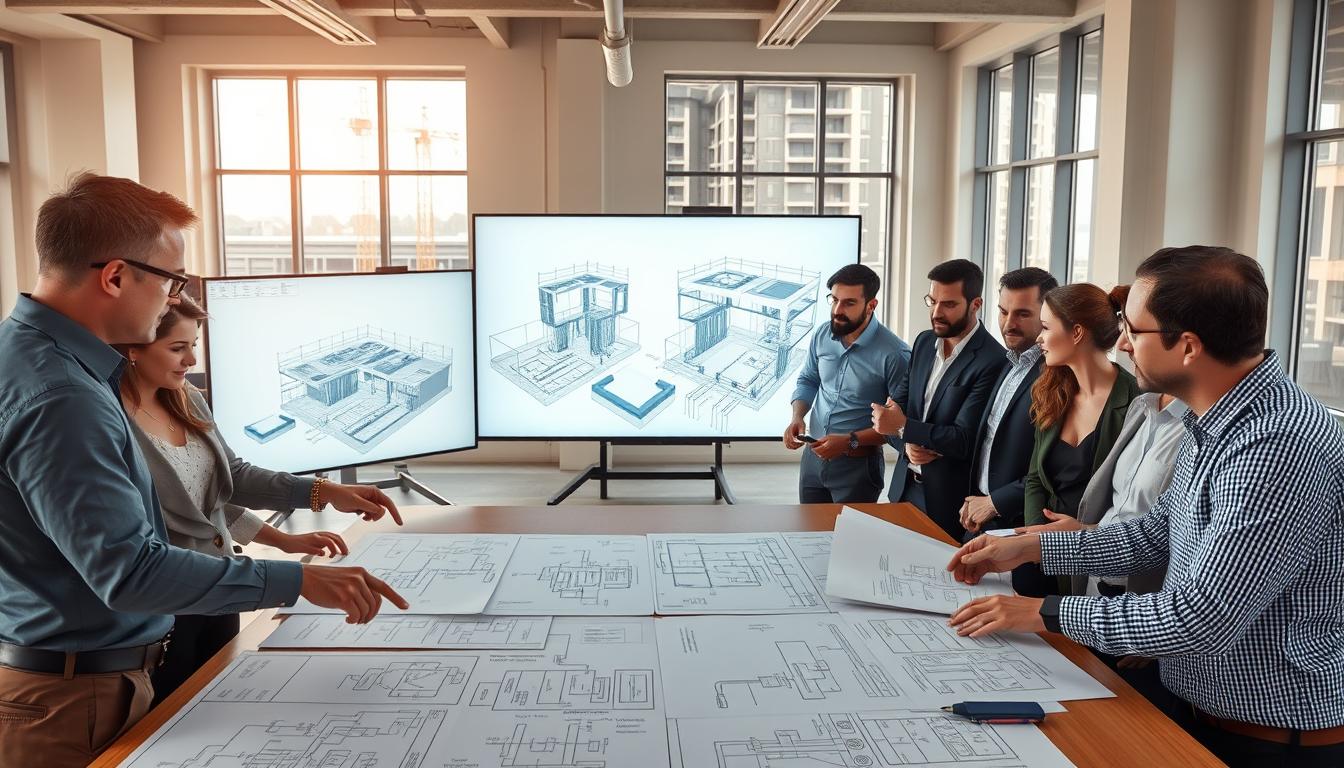
Good tenant improvements need careful planning and execution. A well-planned MEP system is key for a commercial space’s function. A successful TI project showed how MEP coordination helps avoid costly mistakes and meets standards.
Ensuring ADA compliance is also crucial. It prevents legal problems and makes the space better for everyone. A retail renovation that followed ADA guidelines created a welcoming and useful space.
Lessons Learned from Cost Overruns
Even with good planning, some TIs face cost overruns. Looking at these cases can teach us a lot. For example, not guessing construction time right can lead to extra costs.
Studies show that hidden costs in design and unexpected regulatory fees often cause problems. Having a backup fund and planning well can help avoid these issues.
| Common Issues | Mitigation Strategies |
|---|---|
| Underestimating Construction Time | Detailed project scheduling, contingency planning |
| Hidden Costs in Design | Comprehensive design review, requesting detailed quotes |
| Unexpected Regulatory Fees | Early engagement with regulatory bodies, thorough compliance review |
Learning from others’ successes and failures can help us with our own projects. If you’re struggling with your tenant improvement, get help from experts. Need help with your project? Call (727)-625-1374 or email contact@mail.wsvgroup.com for expert advice.
Planning for Maintenance Post-Improvement
After finishing your tenant improvements, it’s key to plan for ongoing maintenance. This ensures your commercial renovation lasts long. A well-kept space keeps its value and offers a safe, healthy place for people to work.
Creating a Maintenance Schedule
Creating a maintenance plan means identifying important systems and parts that need regular care. This includes HVAC, electrical, and plumbing, plus finishes like flooring and painting. A schedule helps avoid expensive fixes and keeps your space running smoothly.
Budgeting for Future Repairs
Setting aside money for future repairs is crucial. Put a part of your budget aside for maintenance and fixes. Think about the age and state of your equipment and systems. For help with your commercial renovation and tenant improvements, call (727)-625-1374 or email contact@mail.wsvgroup.com.